Amazon, Walmart, Target Recall Risk Hits Retail Scale
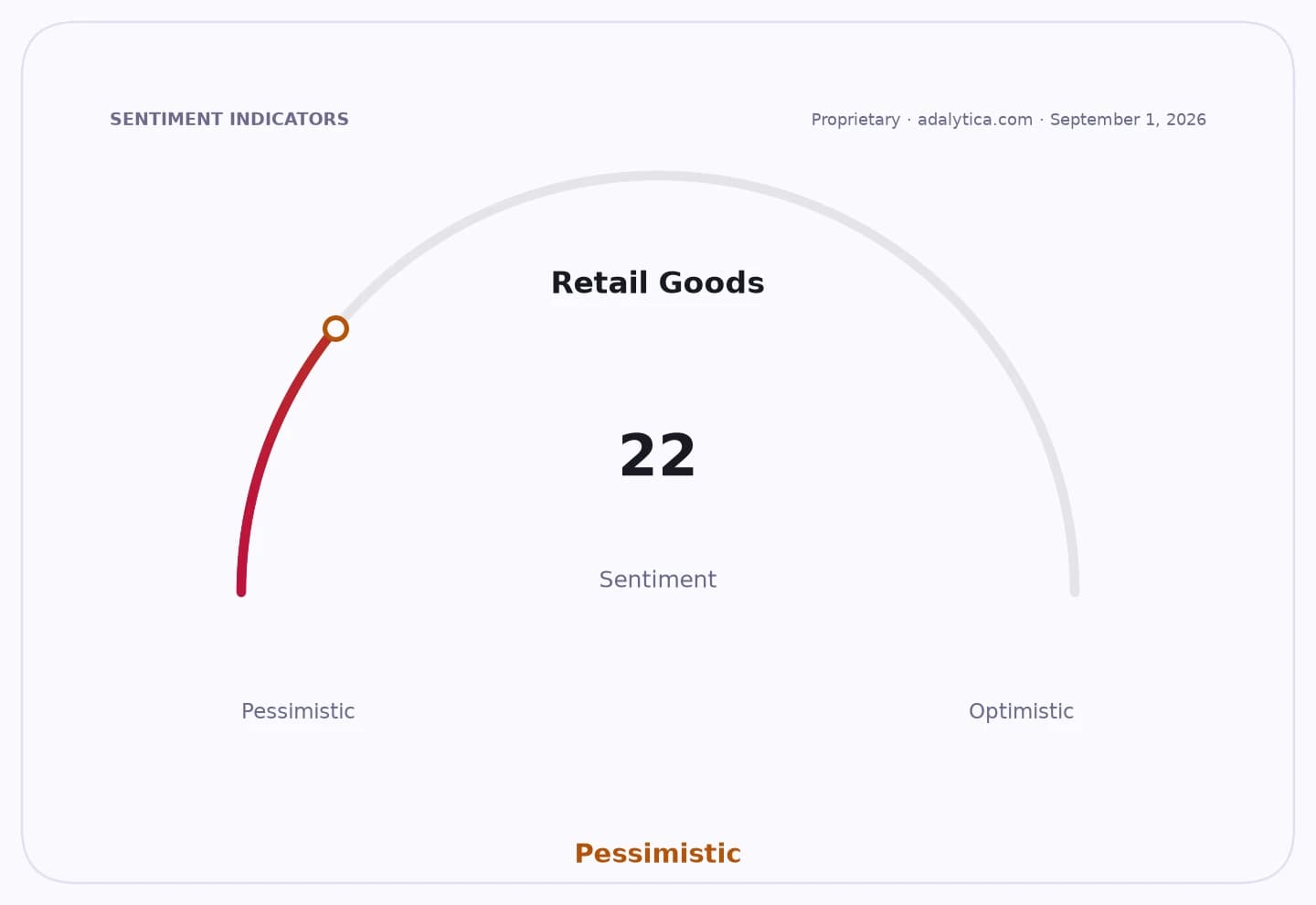
A fresh wave of product recalls tied to Amazon, Walmart and Target underscores a market risk investors often underprice: the scale advantage of modern retail cuts both ways when safety failures spread quickly through giant distribution networks.
For consumers, the issue is immediate. For investors, it is a reminder that the biggest winners in U.S. retail are also the most exposed when defective products move through third-party marketplaces, store shelves and fulfillment systems at speed. The economic hit from one recall is usually manageable, but the real cost is the added burden on compliance, quality control, insurance and brand trust — all of which can compound when regulators and plaintiffs get involved.
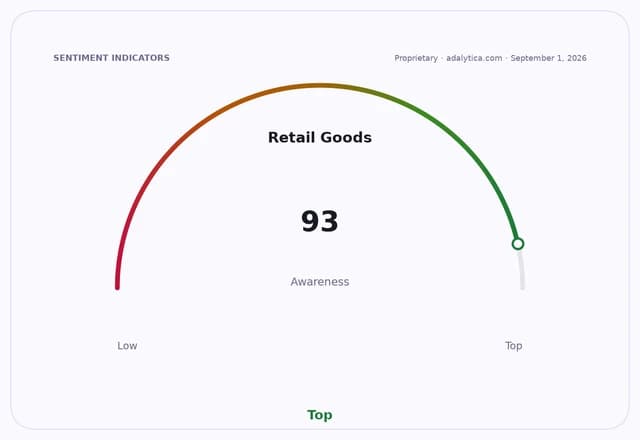
That matters especially for Amazon, whose marketplace model gives it enormous selection and logistics reach but also makes it the center of scrutiny whenever hazardous goods surface. Walmart and Target face a different version of the same problem: their omnichannel scale gives them national distribution power, but also leaves them exposed to reputational damage when recalled items appear in stores or online orders. In a retail environment already pressured by cautious consumers, even isolated safety events can become margin drags through higher monitoring costs, refunds and returns.
The market implications go beyond the three names. Investors should see this as another reason to favor the picks-and-shovels of retail safety — quality assurance software, compliance services, testing labs, logistics traceability and product liability insurers — over retailers that merely absorb the fallout. The consumer sector is being pushed toward tighter oversight as supply chains, online marketplaces and private-label expansion create more points of failure.
The stock tape already shows how little room there is for error. Amazon has been volatile even after its rally, while Walmart and Target have traded with very different momentum profiles as investors rotate between resilience and valuation. Safety headlines rarely alter the long-term thesis by themselves, but they do sharpen the gap between operators that can control risk and those that cannot.
Our thesis is straightforward: the recall cycle is not just a consumer story, it is a structural cost of scale in retail, and the market underestimates who profits from that reality. The next phase of retail investment may favor the infrastructure around the merchants — verification, compliance, and supply-chain intelligence — more than the retailers carrying the headline risk.
| Entity | Gains | Losses |
|---|---|---|
| Compliance and testing firms | ▲More demand for oversight | ▼None |
| Product liability insurers | ▲Higher premium volume | ▼Larger claims risk |
| Amazon, Walmart, Target | ▲Longer-term trust if fixed | ▼Recall costs, reputational drag |
| Smaller sellers and brands | ▲— | ▼Stricter scrutiny, weaker shelf access |