AMH Shares Slip as Housing Trade Weakens
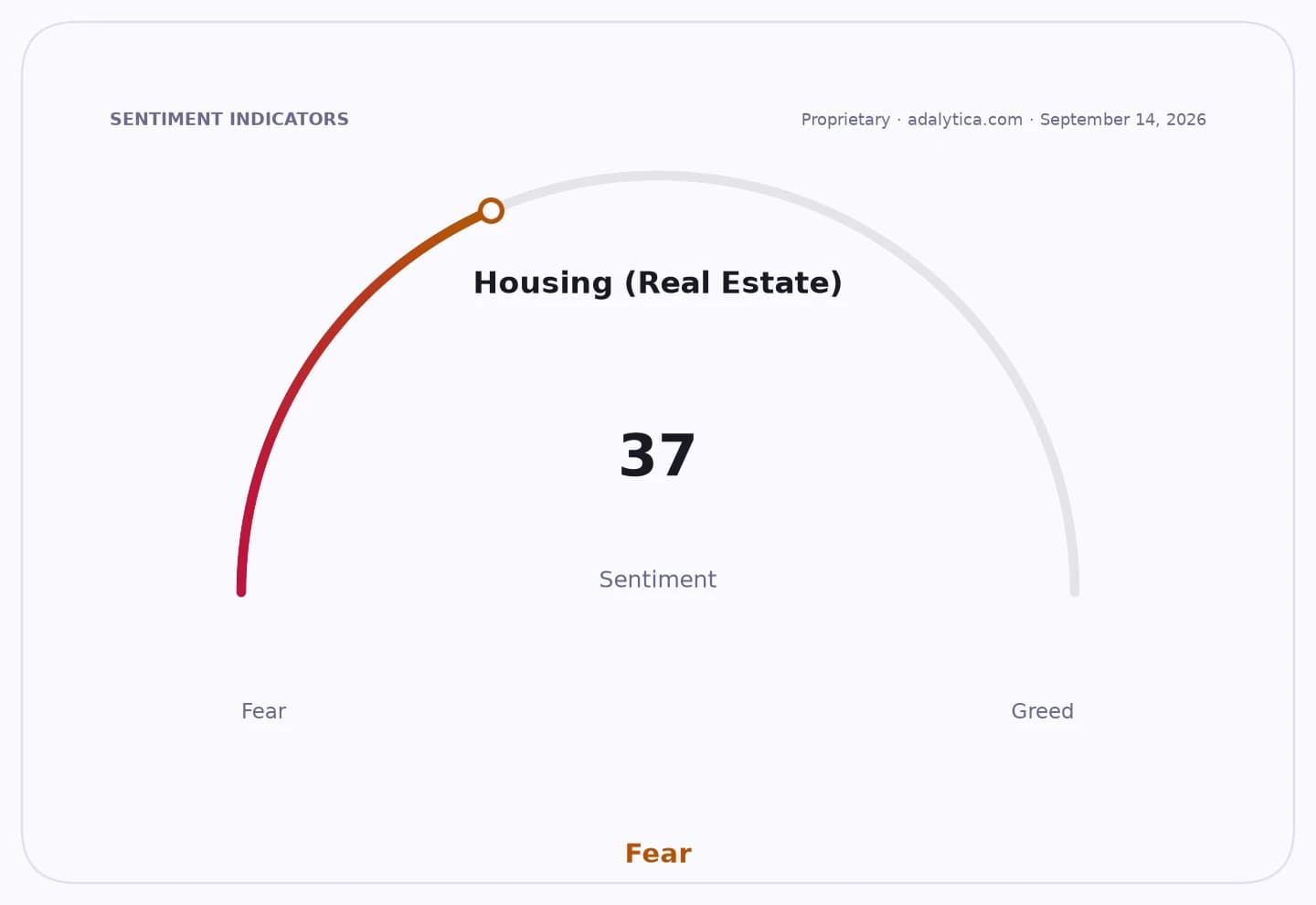
American Homes 4 Rent is under pressure as the housing trade weakens again, with the homebuilder ETF XHB sliding 12% from its recent peak and Adalytica’s Housing Fear & Greed Index stuck in neutral territory even after a short-term bounce in awareness. For investors, the message is that lower house prices are not yet translating into a cleaner buying opportunity because higher-for-longer rate expectations continue to squeeze affordability and delay a broader demand recovery.
AMH shares closed at $31.63 on Sept. 14, little changed on the day, but the stock remains well below its July 15 high of $33.51 and below its 50-day moving average of $33.58. The 200-day moving average sits at $31.34, putting the stock just above a key long-term trend line, while RSI readings at 9.4 point to heavily oversold conditions and the MACD remains negative.
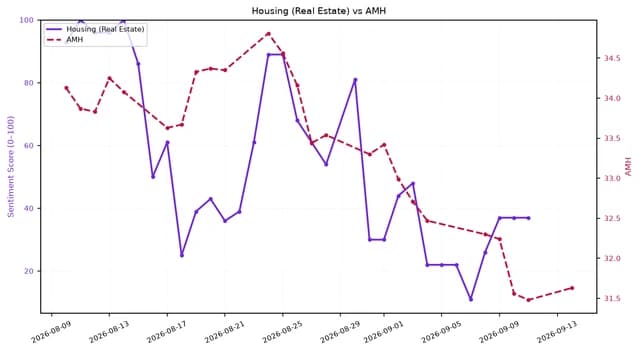
That technical backdrop mirrors the wider housing market. XHB ended at $98.27 after tumbling from $108.23 on Aug. 19, with its 50-day moving average at $106.2 and its RSI at 26.2, still signaling weak momentum. The ETF’s decline reflects growing caution around homebuilders, materials suppliers and rental-housing names as investors brace for slower transaction volumes and softer pricing.
The fundamental story is more bearish than the short-term bounce in some housing sentiment gauges suggests. ANZ economists say house prices are likely to fall further, but not enough to help first-time buyers because rising rate expectations keep monthly payments elevated. Australia’s CBA has gone further, warning of one of the fastest and deepest housing downturns in two decades, underscoring how higher borrowing costs are colliding with fragile affordability and tight supply.
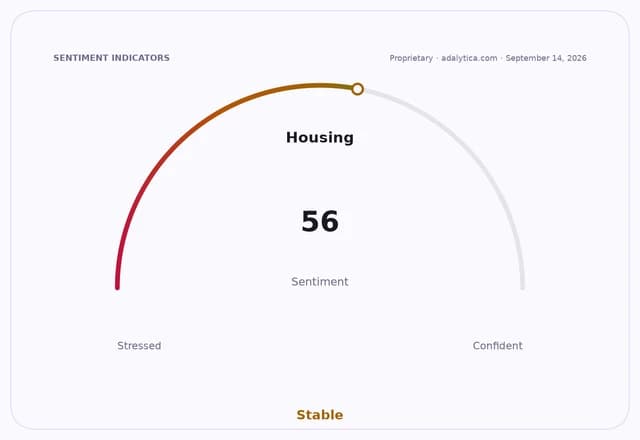
For investors, that means the trade is becoming more selective. Defensive rental owners such as AMH can still benefit if ownership affordability worsens and demand shifts to leasing, but rising financing costs and a softer pricing backdrop limit upside. The next catalyst is likely to come from rate expectations, housing data and any fresh guidance from lenders or homebuilders on demand and pricing into the next quarter.
| Entity | Gains | Losses |
|---|---|---|
| Rental housing owners | ▲Higher lease demand | ▼Higher financing costs |
| First-time home buyers | ▲Lower purchase prices | ▼Affordability stays weak |
| Homebuilder ETF XHB | ▲Oversold rebound potential | ▼Downtrend and rate pressure |
| AMH shareholders | ▲Relative defensive demand | ▼Valuation compression risk |