Ancap’s failure to keep fuel prices aligned with import parity pricing cost the Uruguayan state-owned company about US$80 million in fuel sales in the first half, a warning sign for a business model being squeezed between political pressure and a volatile oil market.
Ancap pricing gap squeezes Uruguay state fuel seller
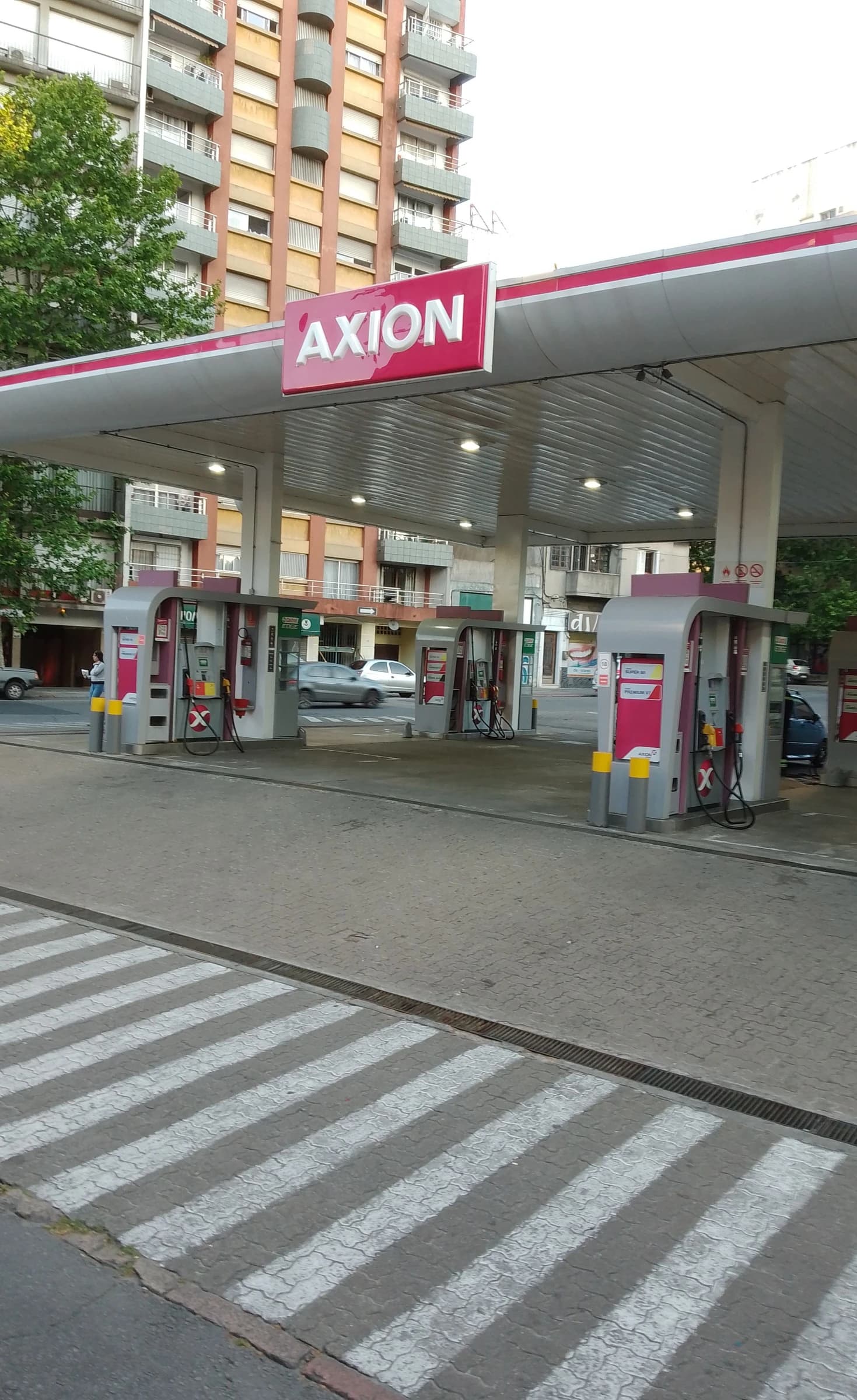
The gap between the producer price index and the prices actually charged at the pump matters because it goes straight to cash generation, inventory valuation and the ability to fund investment. When a state fuel seller leaves prices below reference costs, the economic damage is not just foregone revenue: it distorts demand, compresses margins and shifts profits away from the importer and marketer to consumers and competing stations.
Sentiment IndicatorsⓘProprietary · adalytica.com · July 14, 2026
This is a snapshot — live sentiment, awareness and momentum for 130+ markets update continuously in the dashboard.Open AlphaPulse
The scale of the shortfall underscores how quickly pricing discipline can erode in a high-cost fuel environment. Global benchmark crude has been whipsawed this year, with West Texas Intermediate trading around $69.60 a barrel in early July after briefly topping $109 in May, while U.S. producer prices for refined products have remained elevated and volatile. That backdrop makes it harder for refiners and distributors to absorb delays in passing through costs, especially when crude, transport and inventory values are changing faster than retail pricing formulas.
For investors, the issue is a reminder that regulated or politically constrained fuel markets can destroy earnings even when demand is stable. Exxon Mobil, Chevron and Marathon Petroleum have all been signalling the same broader theme in their recent filings: refining and marketing margins are highly sensitive to crude differentials, product spreads and retail pricing behavior. The difference in Ancap’s case is that the constraint is not just market volatility but the deliberate sacrifice of pricing power, which can favor motorists in the short term while weakening the state company’s balance sheet over time.
The regional backdrop is also less forgiving. Fuel prices have been volatile across markets as geopolitics, supply cuts and policy intervention collide, with governments under pressure to cushion consumers and regulators warning against excessive markups. That makes Ancap’s losses part of a wider pattern: energy companies and state operators are being forced to choose between preserving volume and protecting margins.
The key question for the second half is whether Ancap can narrow the spread between its cost base and pump prices without triggering political backlash. If it cannot, the revenue hit could persist even if crude stabilizes, leaving the company with weaker operating leverage just as the market turns more demanding on capital discipline and returns.
| Entity | Gains | Losses |
|---|---|---|
| Consumers | ▲Lower pump prices | ▼Higher tax burden indirectly |
| Ancap | ▲Volume support, political cover | ▼US$80M sales shortfall |
| Competitor stations | ▲Relative price advantage | ▼Pricing pressure if cuts come |
| Government | ▲Short-term public relief | ▼Weaker state-company cash flow |




