Andrea Ballschuh’s bankruptcy highlights the financial fragility of television freelancers as shrinking programme lineups, uneven side-business income and rising tax obligations can quickly overwhelm even well-known media personalities.
Andrea Ballschuh Files for Private Insolvency
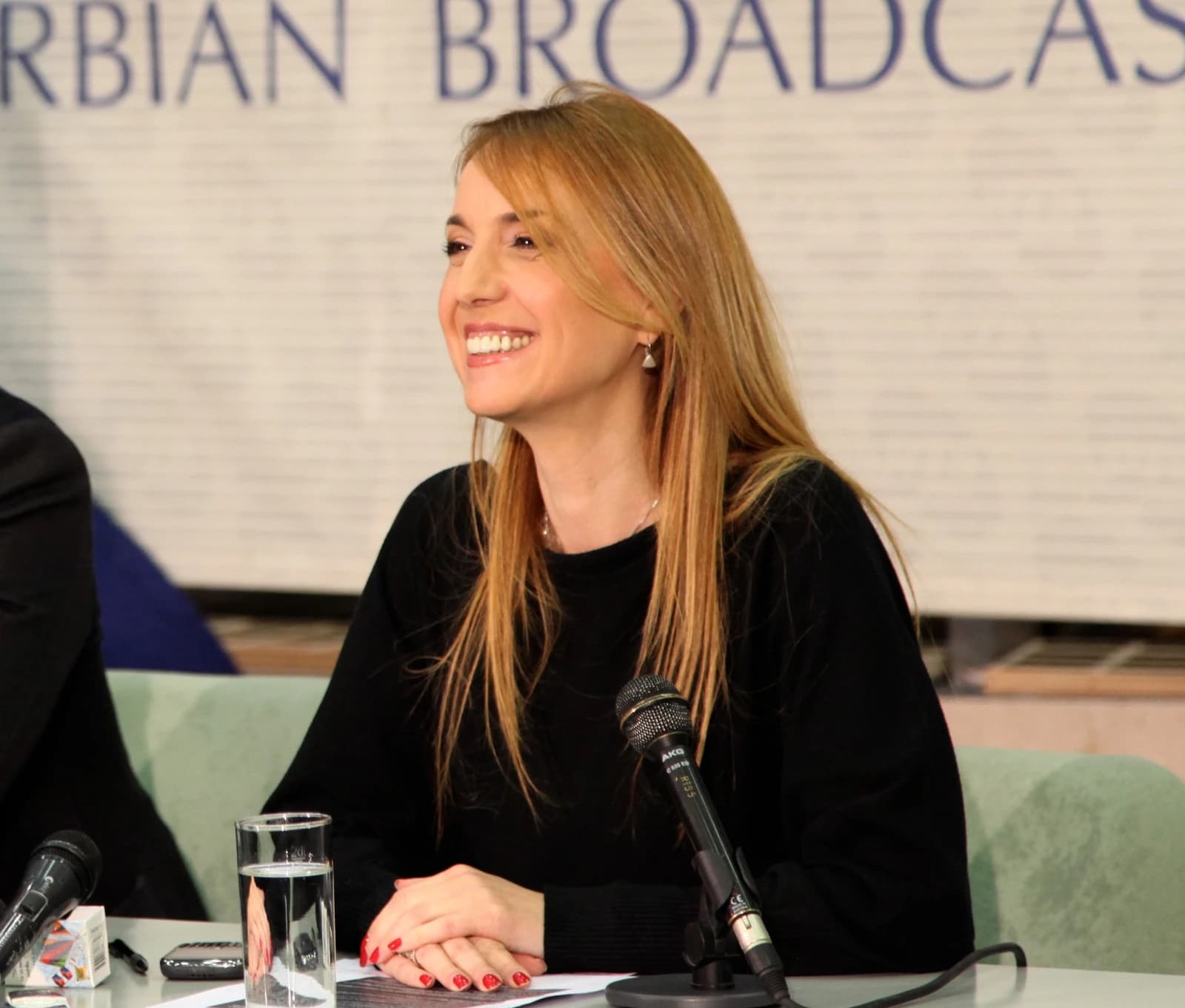
The 54-year-old ZDF presenter, best known for “Volle Kanne,” said she filed for private insolvency on Feb. 5 after building up about 230,000 euros in debt. Her case is a reminder that the economics of on-screen work are often less stable than viewers assume: when four of her TV shows were cancelled in 2022, her income from video coaching was cut in half, and a tax bill plus advance payments compounded the strain.
Sentiment IndicatorsⓘProprietary · adalytica.com · September 19, 2026
This is a snapshot — live sentiment, awareness and momentum for 130+ markets update continuously in the dashboard.Open AlphaPulse
For the broader media labour market, the story underscores how dependent presenters, coaches and other freelance talent are on a narrow mix of contracts and ancillary work. Ballschuh’s attempt to finance a 160-square-metre studio with five rooms collapsed after she separated from a business partner, leaving the lease in her name alone. That is the kind of fixed-cost exposure that can turn a temporary revenue dip into a solvency problem, especially when production work is project-based and highly cyclical.
For investors in broadcasters and media groups, the episode is another sign that cost discipline in television is increasingly being pushed downstream to talent and contractors. Broadcasters have been tightening schedules and cutting shows as advertising markets remain weak and content budgets are scrutinized. That may help margins in the short term, but it also raises the risk of talent churn, reputational damage and a less flexible supply of presenters and production specialists.
Ballschuh said she tried for two years to avoid insolvency and feared the image hit, while the stress nearly pushed her into burnout. She has since moved out of her 1,600-euro apartment and now keeps only 1,500 euros a month, with further fees going to the insolvency administrator. By speaking publicly about the bankruptcy, she is also reframing the episode as a reset rather than a career-ending collapse.
For the media sector, the message is that the real cost of programme cuts does not stop at the broadcaster’s balance sheet. It ripples through freelance talent, small production ventures and service businesses built around television work — and that makes the next round of programming cuts or ad-market weakness more consequential than the headline savings suggest.
| Entity | Gains | Losses |
|---|---|---|
| Broadcasters | ▲Lower programme costs | ▼Talent instability |
| Freelance presenters | ▲Insolvency protection | ▼Income and reputation |
| Business partners / co-founders | ▲Limited liability reset | ▼Shared venture value |
| Viewers / audiences | ▲Potentially lower-cost TV | ▼Fewer shows and formats |