Sibiu airport’s appearance on AnimaWings’ creditor list matters less for the roughly 89,000 lei it says it is owed than for what the case says about cash pressure inside Romania’s airline market.
AnimaWings Insolvency Case Draws Romanian Airports
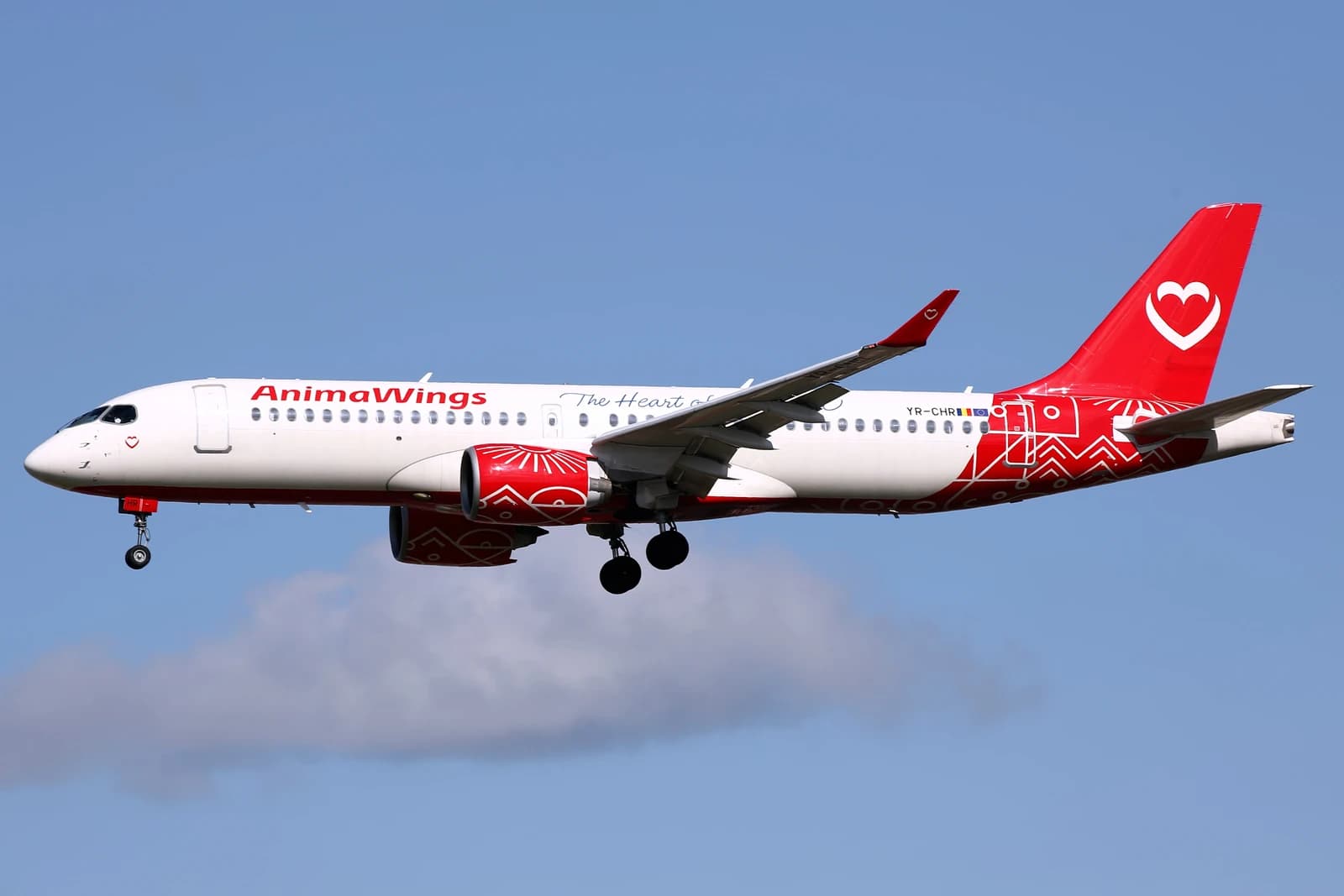
The Bucharest court on Wednesday postponed a decision on whether to open insolvency proceedings for AnimaWings, leaving a string of airports, suppliers and lenders in limbo while the carrier’s financial situation is tested in court. For Aeroportul Internațional Sibiu, the exposure is tiny, and director Marius Gîrdea said the claim is also likely to be rejected at this stage because it has not yet crossed the 60-day legal deadline. But the wider significance is that seven Romanian airports — including Oradea, Suceava, Brașov-Ghimbav, Craiova, Arad and Timișoara — have all lined up as creditors, alongside Banca Transilvania and ROMATSA.

That tells investors and industry participants two things. First, the airline’s liabilities are not an isolated administrative dispute; they are spreading through the airport and services ecosystem, where unpaid fees can quickly ripple into ground handling, advertising, routing and air navigation counterparties. Second, the financial hit is concentrated at a company that appears to be operating with limited traffic and narrow room to absorb payment delays, which raises questions about how fast smaller carriers can scale before working capital strains become a constraint.
For the airports, the immediate stakes are mostly about recovery and process. A coordinated legal approach suggests they are trying to preserve claims rather than force a collapse, but the court delay keeps those claims unresolved and may complicate cash collection for smaller regional hubs that rely on steady airline fees. For AnimaWings, the case underscores how quickly a private expansion story can turn into a creditor-management exercise when volumes are too low to support the balance sheet.
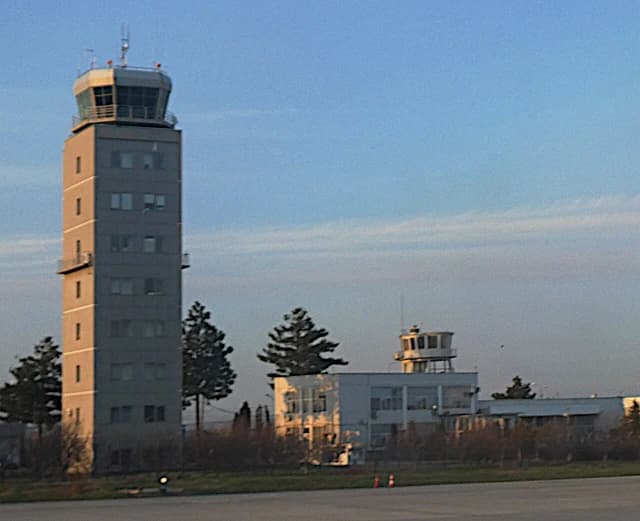
The market lesson is broader: in aviation, insolvency risk often shows up first at the edges — regional airports, contractors and service providers — long before it becomes visible in headline traffic data. If the court ultimately accepts the case, creditors will likely push for a formal restructuring path; if not, the airline will still need to prove it can stabilize operations and settle overdue balances without further disrupting its network. Either way, investors should watch for spillovers to Romania’s regional airport economics and to any carrier-dependent supplier exposed to thin margins and uneven cash flow.
| Entity | Gains | Losses |
|---|---|---|
| AnimaWings | ▲Time to renegotiate | ▼Creditor pressure |
| Sibiu Airport | ▲Potential claim recovery | ▼Delayed cash collection |
| Other Romanian airports | ▲Coordinated legal leverage | ▼Unpaid route fees |
| Suppliers and lenders | ▲Priority in insolvency process | ▼Working-capital strain |