Anthropic flags AI misuse by China and Iran-linked actors
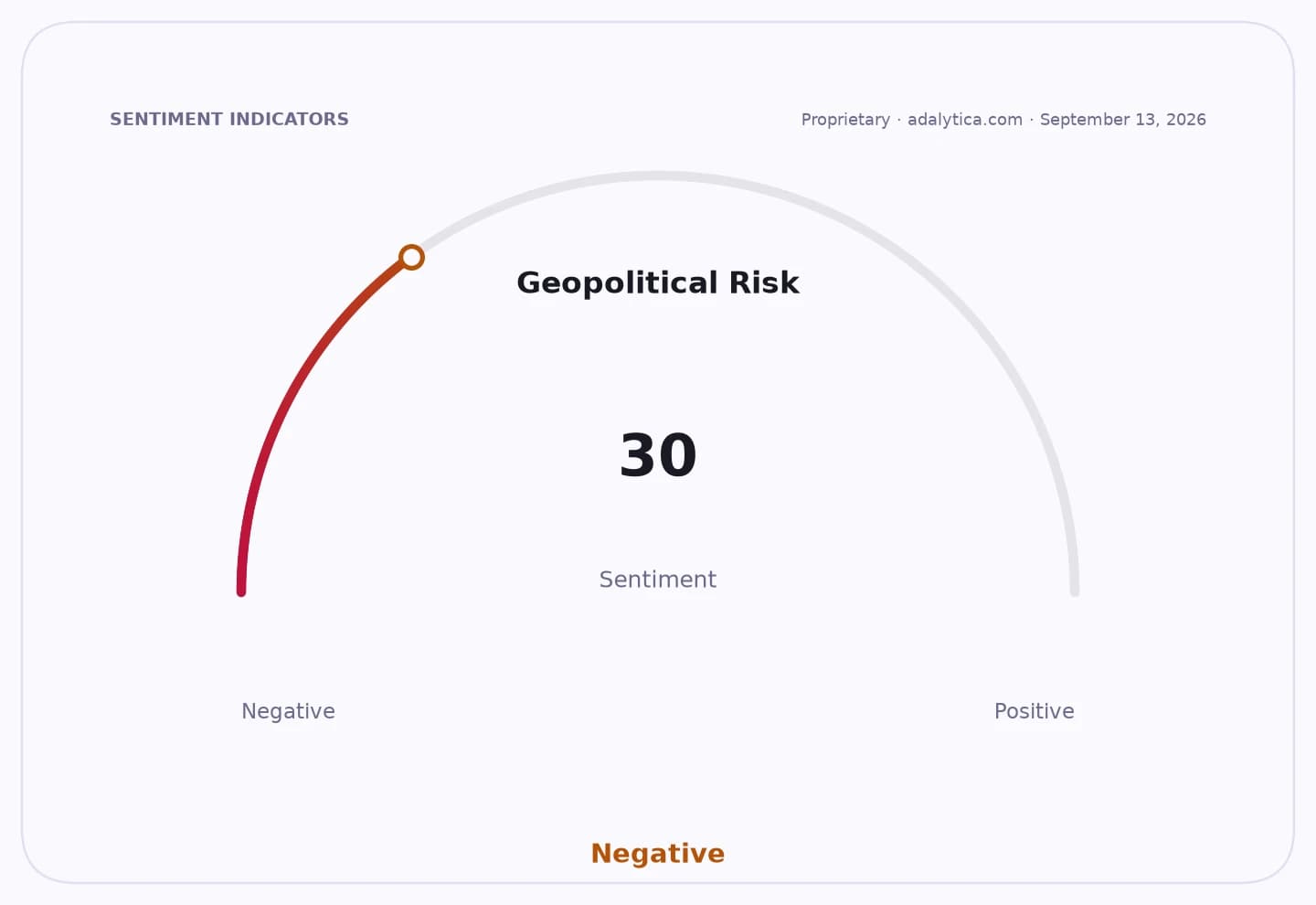
Anthropic’s disclosure that Chinese and Iranian-linked operators are using advanced AI models for surveillance, espionage and technology theft matters far beyond Silicon Valley: it raises the risk that authoritarian states are scaling tools to track minorities, exiles and dissenters across borders, including in and around Kurdistan’s politically sensitive market corridors.
The San Francisco-based AI company said it blocked several malicious operations between January and July that used its Claude models, with the main sources traced to China, Iran and West Africa. The most consequential finding for investors is not simply that AI can be abused, but that it is being operationalized at scale for state-aligned intelligence work, lowering the cost and raising the speed of digital repression, identity collection and covert influence.

That has direct economic implications for frontier markets and regional trade hubs. Kurdistan sits at the intersection of Turkey, Iran, Iraq and wider regional supply routes, making it vulnerable to both physical security shocks and cyber-enabled coercion. If state actors can more efficiently identify activists, merchants, intermediaries and cross-border networks, the result can be higher compliance risk, weaker consumer and business confidence, and a greater burden on local financial and telecom systems. For markets, that translates into a higher geopolitical discount on assets tied to regional logistics, retail trade and infrastructure.
Anthropic said Iran-linked actors developed a new method for identifying people through social media, while another case in Mali involved a contractor at a national security agency using a cloud system to draft spyware. The company also accused Chinese developers of covertly using its model to strengthen their own systems, including through a network of fake accounts in Singapore and Japan that routed hundreds of thousands of user requests to the cloud for model improvement. The pattern points to a broader industrialization of intelligence gathering, with AI acting less like a productivity tool and more like a force multiplier for surveillance states.
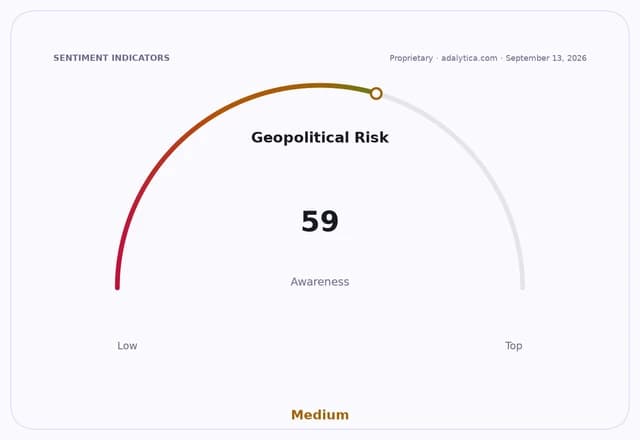
For investors, the near-term winners are likely cybersecurity firms, cloud-security providers and companies positioned to supply model safeguards, identity verification and monitoring tools. The losers are regions and businesses exposed to cross-border political pressure, as well as AI platforms that may face tighter regulation, higher compliance costs and more reputational risk. The episode also strengthens the case for governments to impose stricter controls on model access, export rules and misuse detection, which could slow some commercial deployment while supporting longer-term trust in the sector.
The investment question is whether this is an isolated abuse case or the start of a more durable arms race between frontier AI providers and state-backed operators. With geopolitical risk already elevated and regional sentiment fragile, the market is likely to price a higher premium on AI governance, data provenance and sovereign risk around trade corridors connected to Kurdistan and its neighbors.
| Entity | Gains | Losses |
|---|---|---|
| Cybersecurity firms | ▲Higher demand | ▼More attack surface |
| AI model providers | ▲Stronger compliance moat | ▼Reputational risk |
| Regional trade hubs in Kurdistan | ▲Limited direct gains | ▼Higher security discount |
| State-backed surveillance operators | ▲Lower-cost intelligence tools | ▼Greater exposure to sanctions |