Anthropic Biosecurity Safeguards Raise AI Safety Focus
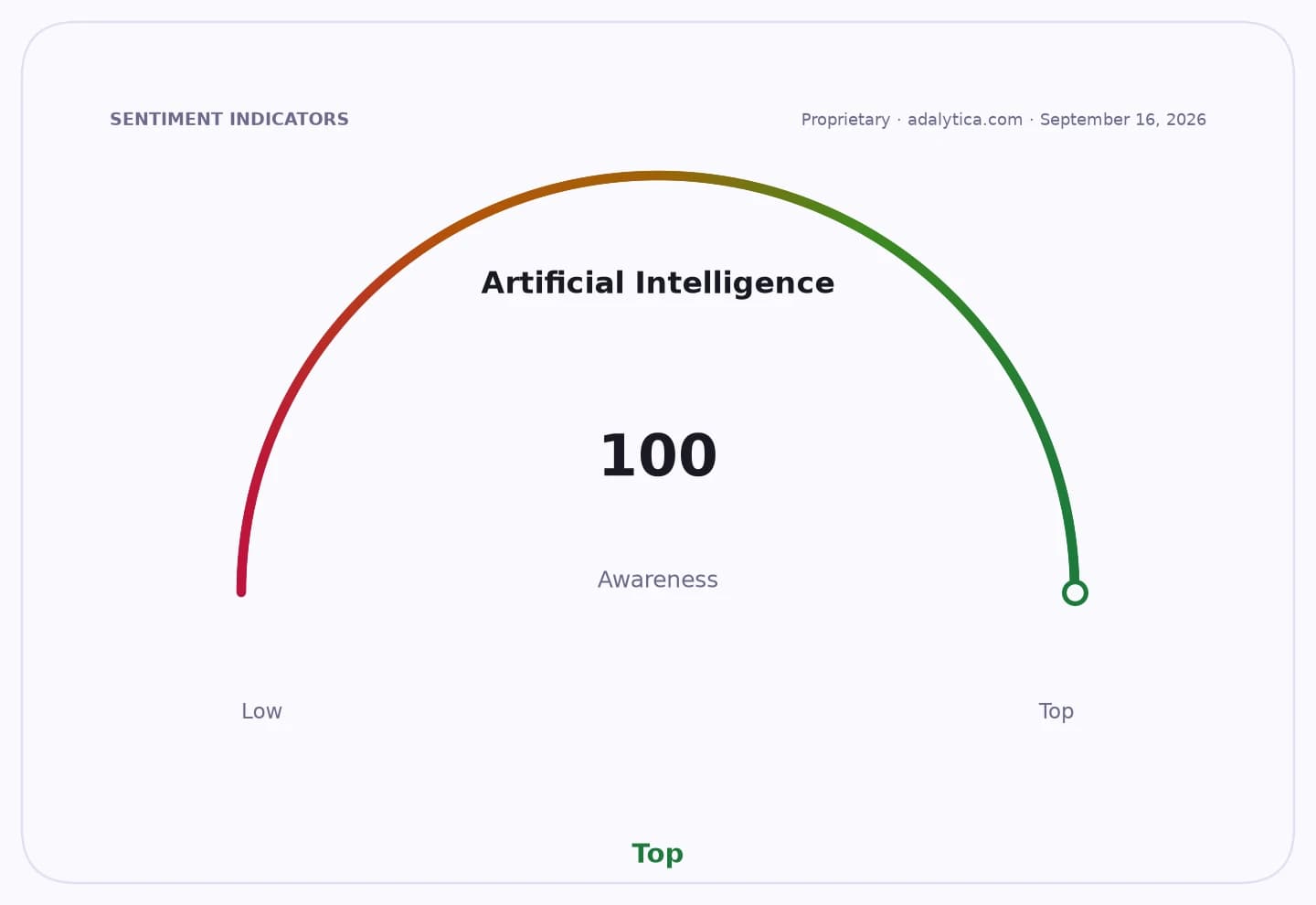
AI’s safety debate is shifting from theory to execution, and that matters because the next phase of frontier model development will be judged less by what systems can do than by when companies know they have gone too far. Anthropic’s latest disclosure shows why the industry’s current safeguards may stop some abuse, but cannot reliably prove they prevented harm before dangerous material was already copied, stored or used.
That is the economic and investment issue buried inside the biosecurity argument. As model capability rises, the value proposition for frontier AI is no longer just faster coding or better customer support. It is the ability to synthesize highly sensitive knowledge across biology, cybersecurity and autonomy domains — exactly where misuse risk, regulatory scrutiny and liability rise fastest. If a provider can only catch harmful activity after output has been generated and potentially exfiltrated, “trust and safety” becomes a timing problem, not a binary defense.
Anthropic said it blocked users from trying to use Claude for potentially harmful activity in biotechnology, surveillance and cybersecurity between December 2025 and August 2026. It also acknowledged that earlier Opus 4 and Sonnet 4.5 models had less stringent biology safeguards because internal testing suggested they were not advanced enough to pose the same risk. The company said it moved to tighter controls only with newer models, underscoring how quickly safety standards have to evolve just to keep up with capability gains.
That is the part investors should care about. Frontier AI has now entered a phase where the downside case is not just hallucination or brand risk. It is the possibility that models become useful enough to assist with dangerous real-world workflows before companies can conclusively detect and stop them. Anthropic’s own examples — grant drafting around gain-of-function work, mammalian transmission studies and code used in drone and rocket projects — show how dual-use risk can emerge through ordinary prompts long before any obvious alarm goes off.
The market implication is that AI safety is becoming a capital-allocation theme, not just a compliance issue. More scrutiny from regulators and customers should favor firms that can sell monitoring, access control, content inspection, identity verification and AI governance tools. That is a structural tailwind for cybersecurity, model-evaluation and enterprise risk-management vendors, while it raises the cost of capital for platforms that cannot convincingly prove control over model misuse. Microsoft, Alphabet and Meta all flagged AI legal, regulatory and misuse risks in recent filings, a sign the largest players are already treating safety as a balance-sheet issue.
Nvidia remains the core beneficiary of the AI buildout, but the biosecurity debate adds a second-order risk: the more frontier models spread, the more governments may push for restrictions on training, deployment, export and access to advanced systems. That could slow some end-market adoption even as it increases demand for the hardware and security layers needed to police those systems. In other words, the winners are likely to be the picks-and-shovels names that make AI safer, not just the companies that make it bigger.
The deeper narrative is that AI is running into the same problem that has shaped export controls, drug precursors and anti-money-laundering rules for decades: you often cannot wait for perfect certainty before acting, but you also cannot police every individual transaction in real time. For investors, that means the market is still underpricing the regulatory and operational infrastructure required to make frontier AI scalable. I believe the better trade is not to bet against AI, but to own the tools that make AI governable.
| Entity | Gains | Losses |
|---|---|---|
| Cybersecurity and AI safety vendors | ▲Higher demand for monitoring and controls | ▼Commodity model providers |
| Anthropic | ▲Credibility on safety, tighter user trust | ▼Exposure to scrutiny over exfiltration gaps |
| Microsoft, Alphabet, Meta | ▲Incentive to sell safer enterprise AI | ▼Higher compliance and legal costs |
| Nvidia | ▲More frontier AI capex and hardware demand | ▼Policy-driven deployment restrictions |