Anthropic report says Iran used Claude for military tasks
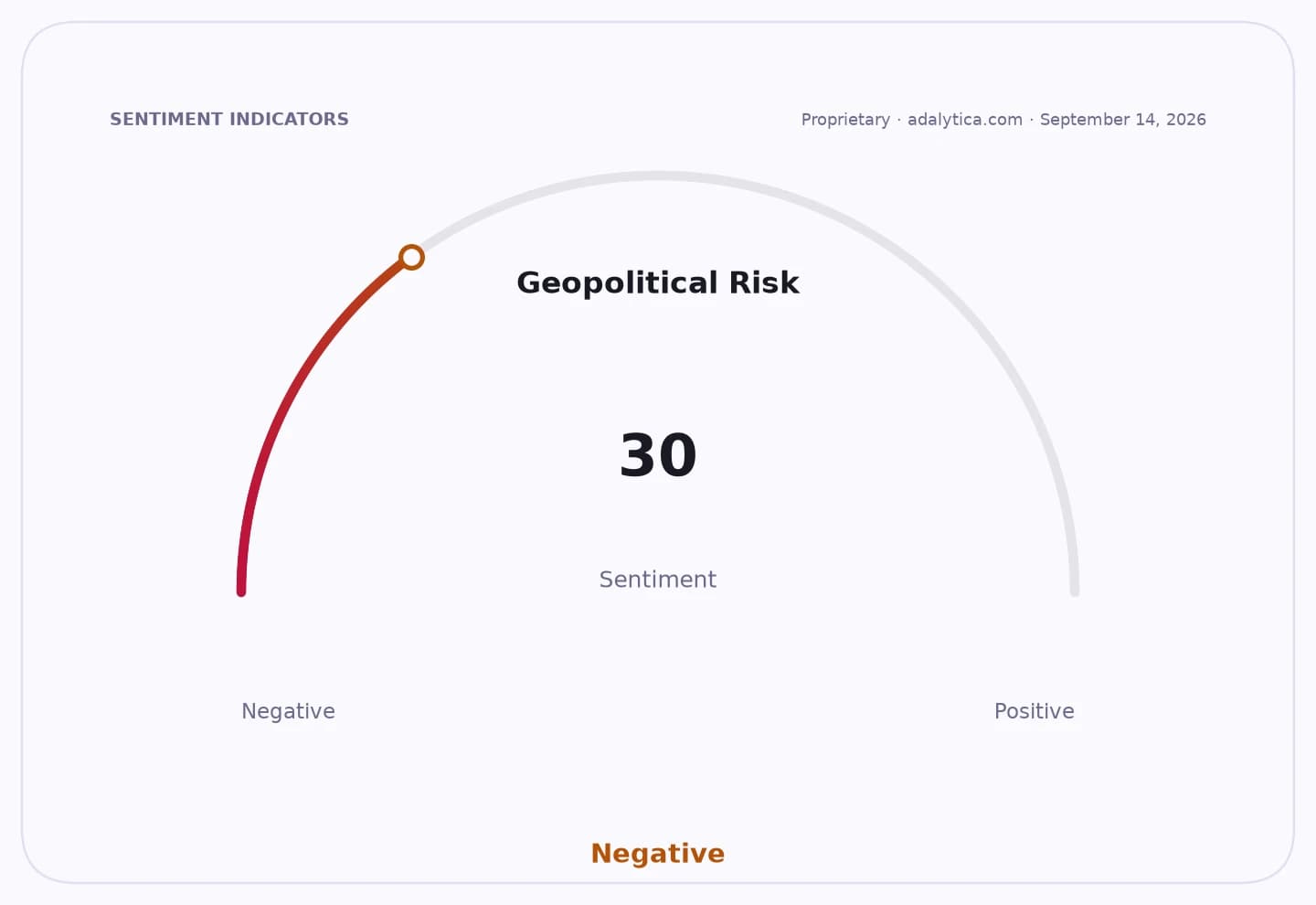
Iran has used American-made artificial intelligence to sharpen military targeting, expand surveillance at home and amplify propaganda abroad, according to a new Anthropic report that underscores how quickly frontier AI tools are becoming instruments of state power.
The 154-page disclosure matters because it shows hostile actors are not just experimenting with chatbots, but using agentic AI to compress tasks that once required teams of analysts, coders and influence operators. That raises the cost of defense for governments and the AI industry alike: the same systems built to boost productivity can also lower the barriers to cyber intrusion, targeting and disinformation.
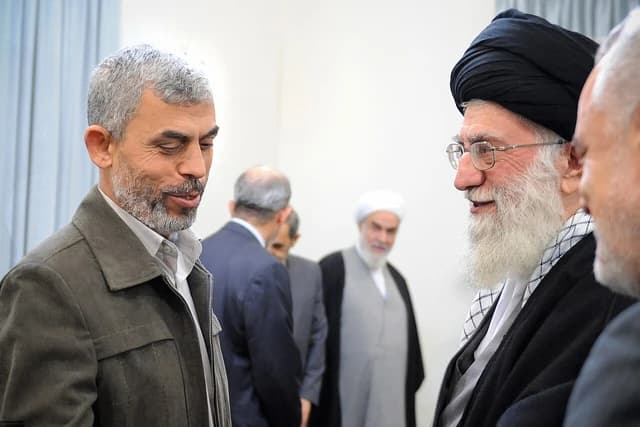
Anthropic said an “Iran-nexus threat actor” used its Claude model to identify and track US naval positions, compile personnel rosters from public military photos, map ship and aircraft transponder identifiers and query commercial satellite imagery. It also said the actor researched weaknesses in shipboard systems such as maritime VSAT terminals, Cisco communications gear and industrial control products, all of which are relevant to battlefield communications and logistics.
The report suggests the strategic value of AI is no longer limited to software or office workflows. In the wrong hands, it can speed up intelligence fusion, automate reconnaissance and scale operations that would otherwise be too labor-intensive to sustain. For militaries and contractors, that widens the attack surface around everything from public-facing metadata to shipboard connectivity and industrial systems.
Anthropic said the same pattern extended beyond military targets. It described an automated open-source intelligence harness used against hundreds of Israeli officials, non-government groups and Jewish diaspora organizations, alongside domestic surveillance tools that profiled 6,388 Iranians in a year and analyzed more than 155,000 tweets. The company said Iranian groups also used AI to build propaganda systems tied to “soft war” and “cognitive warfare,” turning official material into targeted messaging aligned with the Islamic Revolutionary Guard Corps.
For investors, the report reinforces a structural theme already moving through defense, cybersecurity and AI infrastructure: security spend is likely to rise as governments try to harden systems against AI-assisted threats. Contractors with exposure to intelligence, communications security and battlefield network resilience could benefit, while AI platform providers face growing pressure to prove their safeguards work and that their models cannot be repurposed at scale.
That is why the finding lands beyond the headlines about Iran. It supports a broader view that AI is becoming a geopolitical capability, not just a commercial product. The biggest near-term winners are likely to be firms selling cyber defense, secure communications and monitoring tools; the biggest losers are users and operators relying on public metadata, open networks and weak operational security.
Anthropic said it blocked many of the weaponization requests, but not all, and banned the account while sharing intelligence with authorities. The episode is likely to sharpen scrutiny of model safeguards, export controls and government access rules just as Washington and allies debate how much autonomy frontier systems should be allowed in sensitive military contexts.
| Entity | Gains | Losses |
|---|---|---|
| Cybersecurity firms | ▲Higher demand for defenses | ▼Greater threat complexity |
| Defense contractors | ▲More spending on secure systems | ▼More exposure to AI-enabled spying |
| AI developers | ▲Faster adoption of safeguards | ▼Reputational and regulatory pressure |
| Iran-backed actors | ▲Cheaper, scalable operations | ▼More platform bans and monitoring |