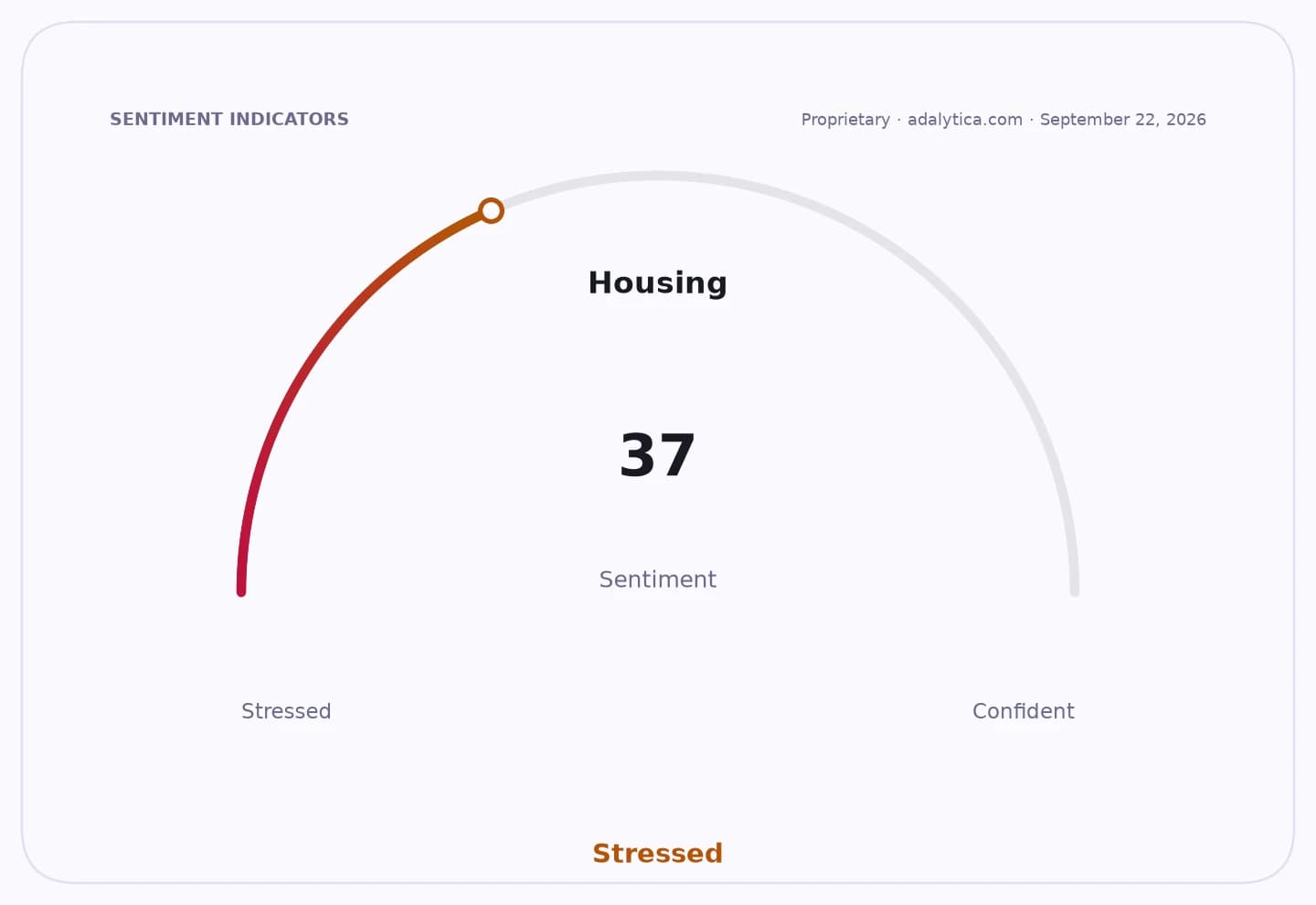
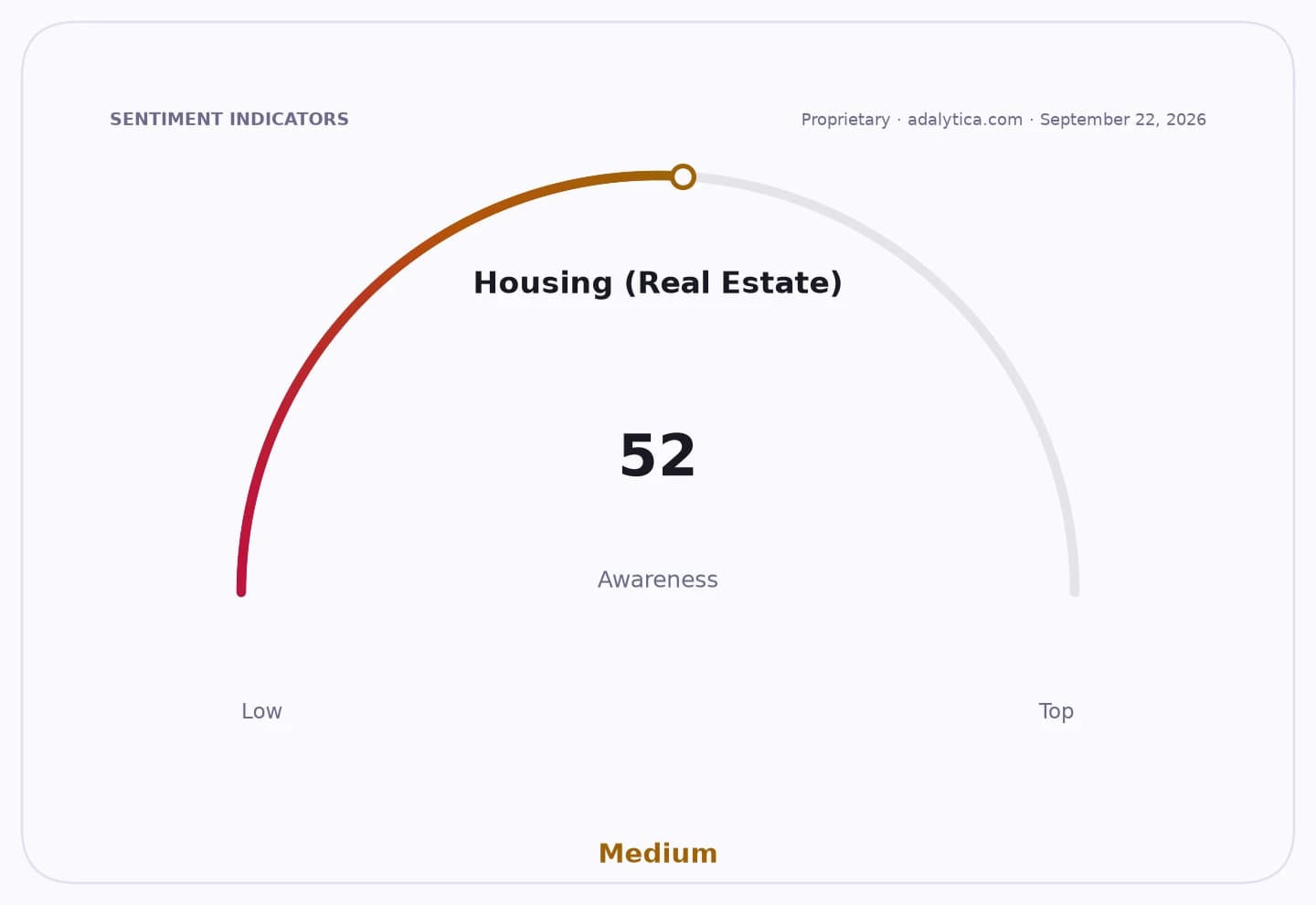
Higher costs and tighter project pipelines are squeezing apartment landlords’ ability to grow, with recent price action in Mid-America Apartment Communities, AvalonBay Communities and Essex Property Trust showing investors are already marking down the pace of future earnings expansion.
Apartment REITs Fall on Slower Growth Outlook

The pressure comes as housing markets stay structurally short of supply, but the bottleneck is now showing up less as a demand problem than a productivity one: developers, landlords and public housing operators are being forced to do more with less capital, slower approvals and scarce skilled labor. In Australia, the housing market has already surpassed A$100 billion in activity, yet officials say a shortage of tradespeople is complicating efforts to lift supply, a reminder that funding alone does not fix a housing crunch.
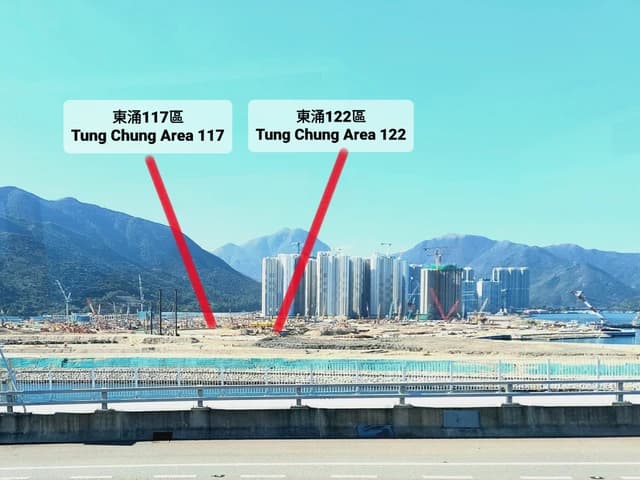
For U.S. multifamily REITs, the same dynamic matters because it limits how quickly they can deploy capital into new units, renovations and service upgrades. MAA, AvalonBay and Essex all remain above their 200-day moving averages, but their recent pullbacks from earlier highs suggest investors are rotating toward caution as the sector’s growth profile looks less certain.
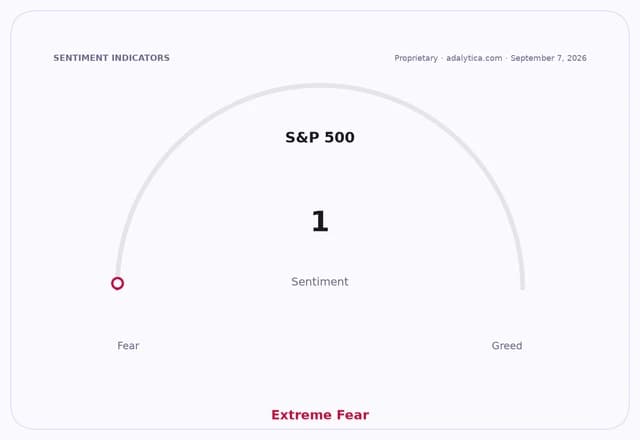
MAA closed at $128.32 on Sept. 4, below its 50-day moving average of $133.38, while its RSI reading of 39.2 points to weaker momentum. AvalonBay ended at $68.14 on Aug. 24, also under pressure after a sharp summer selloff, and Essex finished at $278.61 on Sept. 4 versus a 50-day average of $289.20. The technical tone mirrors a broader risk-off backdrop, with Adalytica’s S&P 500 trade signal showing “Extreme Fear.”
The economic issue is straightforward: when housing bottlenecks restrict throughput, more capital gets tied up for longer and returns on development slow. That can weigh on same-store growth, delay rent roll improvements and keep balance sheets from turning cash into earnings as efficiently as investors want.
For investors, the key question is whether the sector can translate persistent housing shortages into pricing power fast enough to offset higher financing and construction friction. If not, REIT valuations may continue to depend more on defensive income than on expansion.
The next catalyst is the incoming run of housing, inflation and rate data, which will shape both borrowing costs and the willingness of landlords to restart projects. Any sign that labor shortages or public funding delays are easing could support the group; further slippage would keep pressure on growth-sensitive apartment names.
| Entity | Gains | Losses |
|---|---|---|
| Apartment REIT landlords | ▲steadier rent demand | ▼slower capital deployment |
| Homebuyers and renters | ▲more policy focus on supply | ▼continued affordability pressure |
| Skilled trades and contractors | ▲stronger bargaining power | ▼bottlenecks limit output |
| Investors in MAA, AVB, ESS | ▲defensive income appeal | ▼weaker growth expectations |