Apple privacy-first AI strategy for home devices
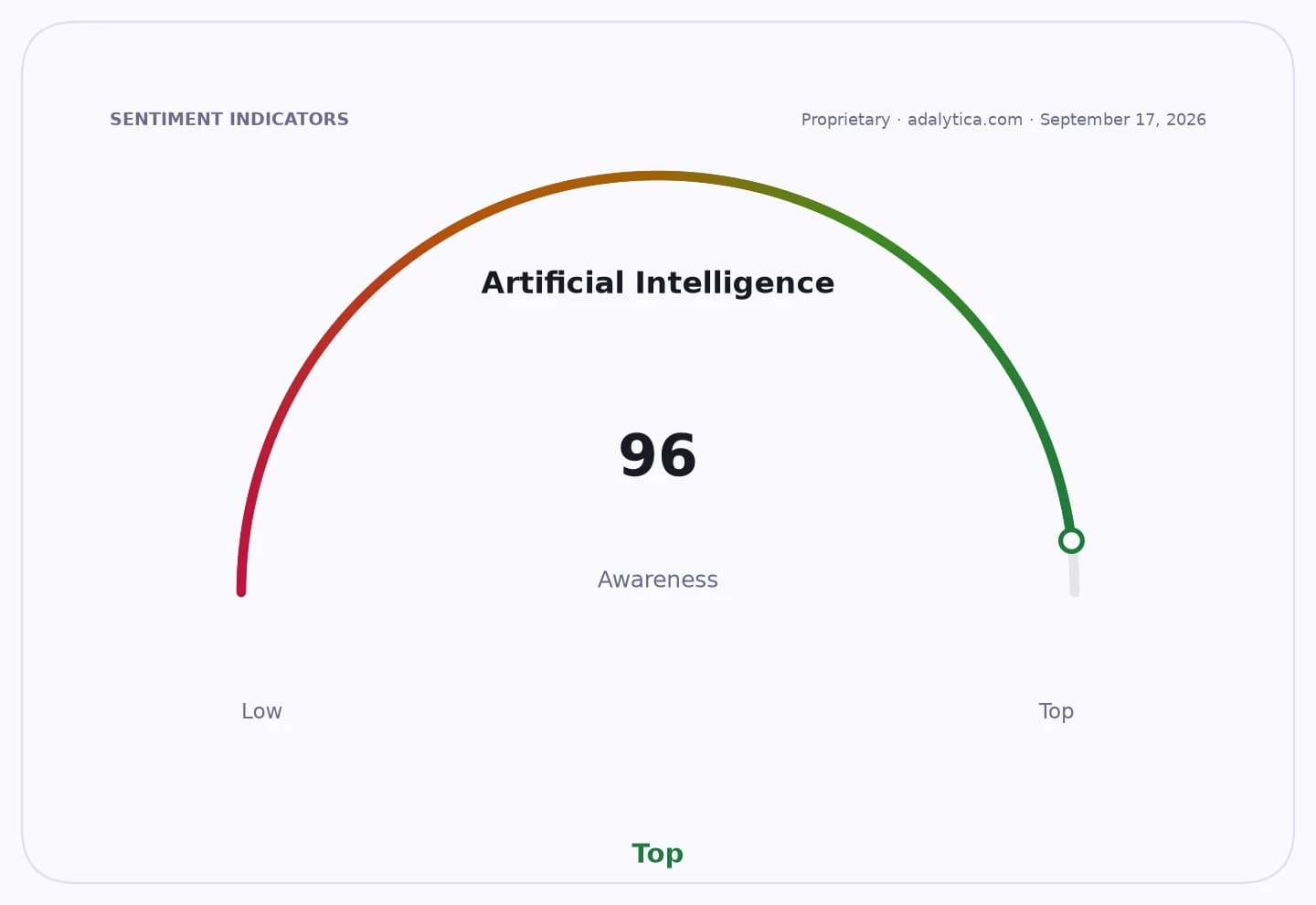
Apple is leaning on privacy as its main pitch for bringing artificial intelligence deeper into the home, a strategy that could help it sell premium devices while keeping more user data on-device and out of cloud systems dominated by Microsoft, Google and Amazon.
That matters because the next phase of consumer AI will be judged not only on features but on trust. If Apple can convince users that home assistants, phones and wearables can run useful AI without handing over intimate data, it may strengthen the case for higher-end hardware and service monetization at a time when regulators are scrutinizing how AI systems collect, store and expose personal information. It also sharpens a competitive divide: Apple’s ecosystem-led approach versus cloud-first AI models that rely on larger-scale data processing and, by design, more networked infrastructure.
The market backdrop helps explain why privacy has become such a powerful message. Investors have pushed the sector to focus on the economics of AI adoption, and the tension between growth and control has intensified as companies race to roll out more capable assistants, search and productivity tools. At the same time, security concerns around AI-driven cyberattacks and data breaches are forcing policymakers and companies to address the risks of giving models wider access to personal and corporate information.
For Apple, the privacy narrative is commercially useful as well as reputationally important. The company already trades at a premium on the strength of its installed base and brand loyalty, and its stock has stayed above both its 50-day and 200-day moving averages, even after recent volatility across mega-cap technology names. That suggests investors continue to value Apple’s ability to keep users inside its ecosystem, where privacy can act as a differentiator rather than a cost center.
The broader industry is moving in the opposite direction. Google and Amazon have built AI businesses around cloud capacity, data plumbing and advertising or infrastructure scale, while Microsoft has staked its AI strategy on deep integration with enterprise workflows and cloud services. Their filings also show the pressure that comes with that model: tighter data-protection rules, scrutiny over AI-related disclosure and the risk that inadvertent exposure of personal information could trigger investigations or reputational damage.
That leaves Apple with a relatively cleaner marketing message but not a risk-free one. Privacy-first AI can limit some regulatory and trust concerns, yet it may also constrain how much data the company can use to improve models compared with rivals that can draw on broader cloud ecosystems. The bull case is that consumers will pay for local processing, secure device integration and a sharper privacy moat. The bear case is that if Apple’s AI features lag in capability, privacy alone may not be enough to defend share against faster-moving cloud platforms.
For investors, the key question is whether privacy becomes a durable product advantage or just a branding layer on top of a slower AI rollout. The answer will shape not only Apple’s hardware cycle, but also how much of the consumer AI market shifts toward on-device processing, which companies capture the economics of inference, and how aggressively regulators press the industry on data use.
| Entity | Gains | Losses |
|---|---|---|
| Apple | ▲Privacy moat, premium-device demand | ▼More limited model training data |
| Google/Amazon/Microsoft | ▲Broader AI data access | ▼More scrutiny over data use |
| Consumers | ▲More local processing, less data sharing | ▼Potentially fewer AI capabilities |
| Regulators | ▲Clearer privacy benchmark | ▼Harder balance with innovation |