Apple Ternus Succession and AI Strategy
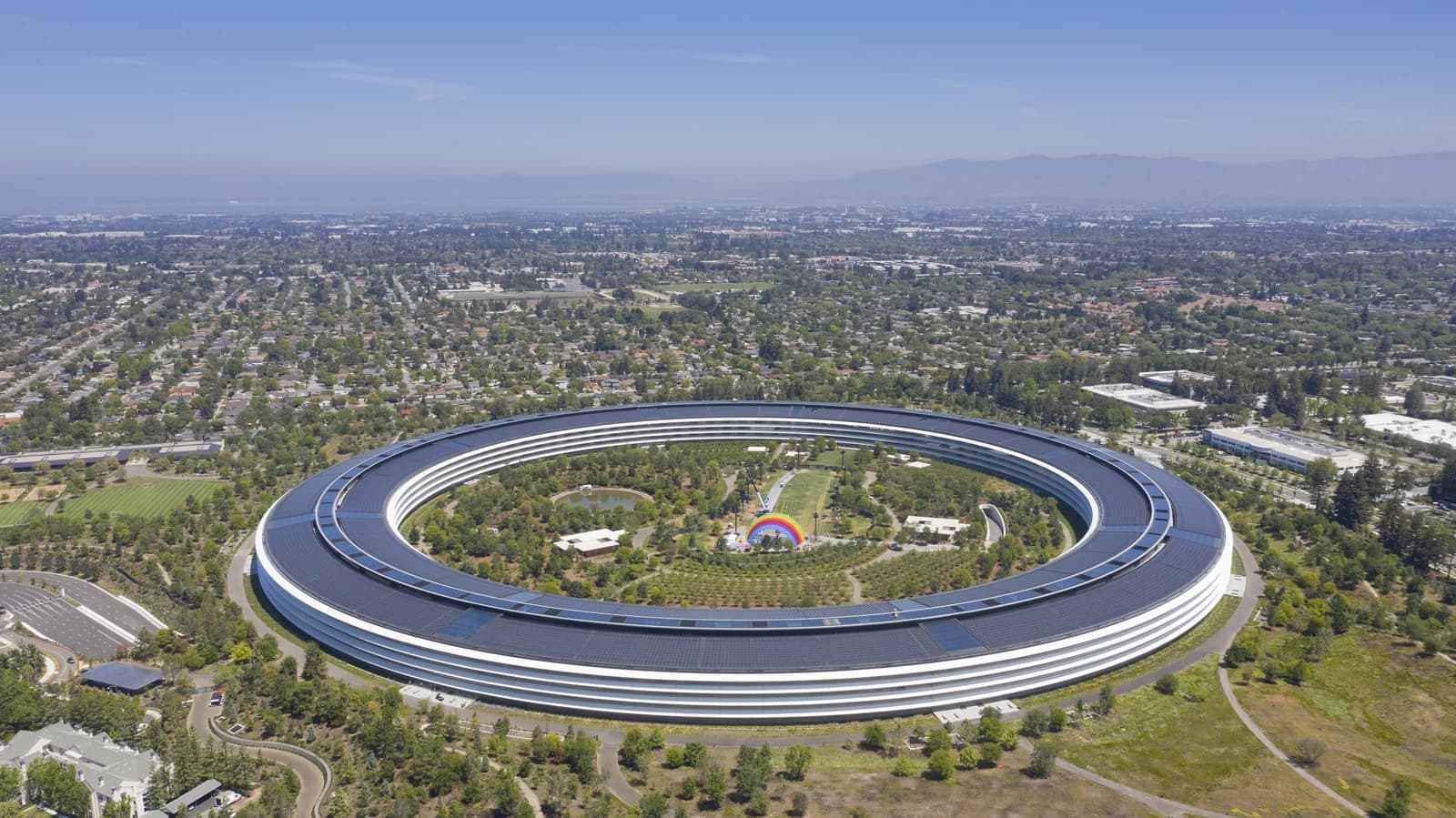
Apple’s move to elevate John Ternus to lead the company into the AI era would mark its most consequential leadership shift in years, because the iPhone maker is trying to defend its premium franchise just as artificial intelligence is reshaping the competitive basis of consumer technology.
The change matters because Apple is not replacing a chief executive in a vacuum. It is handing the next phase of the business to the executive most closely associated with its hardware engine at a time when hardware, software and AI are converging. For investors, that raises a central question: can Apple turn its installed base, chip design and device ecosystem into an AI advantage before rivals define the market?
Ternus, long viewed internally as one of Apple’s most important product leaders, would inherit a company whose shares have already reflected confidence that the next upgrade cycle can be AI-driven. Apple stock closed at $324.96 on Sept. 2, near the top of its recent trading range and above both its 50-day and 200-day moving averages, even as momentum indicators such as RSI remain elevated. That suggests investors are already pricing in a stronger product cycle, but not necessarily the execution risk that comes with a transition at the top.
The strategic challenge is substantial. Apple has been slower than peers to make AI the centerpiece of its consumer story, leaving room for OpenAI, Microsoft and others to shape expectations for what a modern device should do. The company has acknowledged in its filings that AI carries competitive, legal and financial risks, including the possibility that missteps could hurt results and its stock price. That makes leadership selection more than a corporate succession issue: it is a signal about where Apple intends to spend, where it will compete, and how aggressively it will retool its hardware roadmap.
Ternus’s appeal is clear from a market perspective. He is seen as a product operator rather than a pure manager, which matters at Apple because the AI opportunity is likely to be won or lost in devices, silicon and user experience rather than in stand-alone software. If Apple can make its hardware indispensable to AI workflows, it can protect margins and stimulate replacement demand. If not, it risks ceding more of the value chain to model providers and cloud platforms while its premium hardware becomes less differentiated.
That is why the succession is being watched so closely by investors in Apple, Microsoft and the broader AI complex. Apple’s shares have outperformed many large-cap peers this year, but the valuation depends on the company proving it can translate AI into another durable upgrade cycle. A leadership handoff to Ternus could support that narrative if it is paired with faster product delivery and a clearer AI strategy. It could also expose Apple to sharper scrutiny if the transition is read as an admission that the company needs a hardware-first reset to keep pace.
The next catalyst is execution: whether Apple can accelerate AI features across its devices, attract developers and show that its ecosystem can still command pricing power in an increasingly AI-native market. For investors, the question is no longer whether Apple can participate in AI, but whether Ternus can make AI central to Apple’s next era.
| Entity | Gains | Losses |
|---|---|---|
| John Ternus | ▲Strategic control | ▼Little room for error |
| Apple shareholders | ▲AI-led upgrade potential | ▼Execution and valuation risk |
| OpenAI / Microsoft | ▲Competitive benchmark | ▼Apple’s device-scale counterattack |
| App developers / suppliers | ▲New hardware cycle | ▼Slower-than-expected AI rollout |