Aramco shares close at 26.48 riyals on July 30
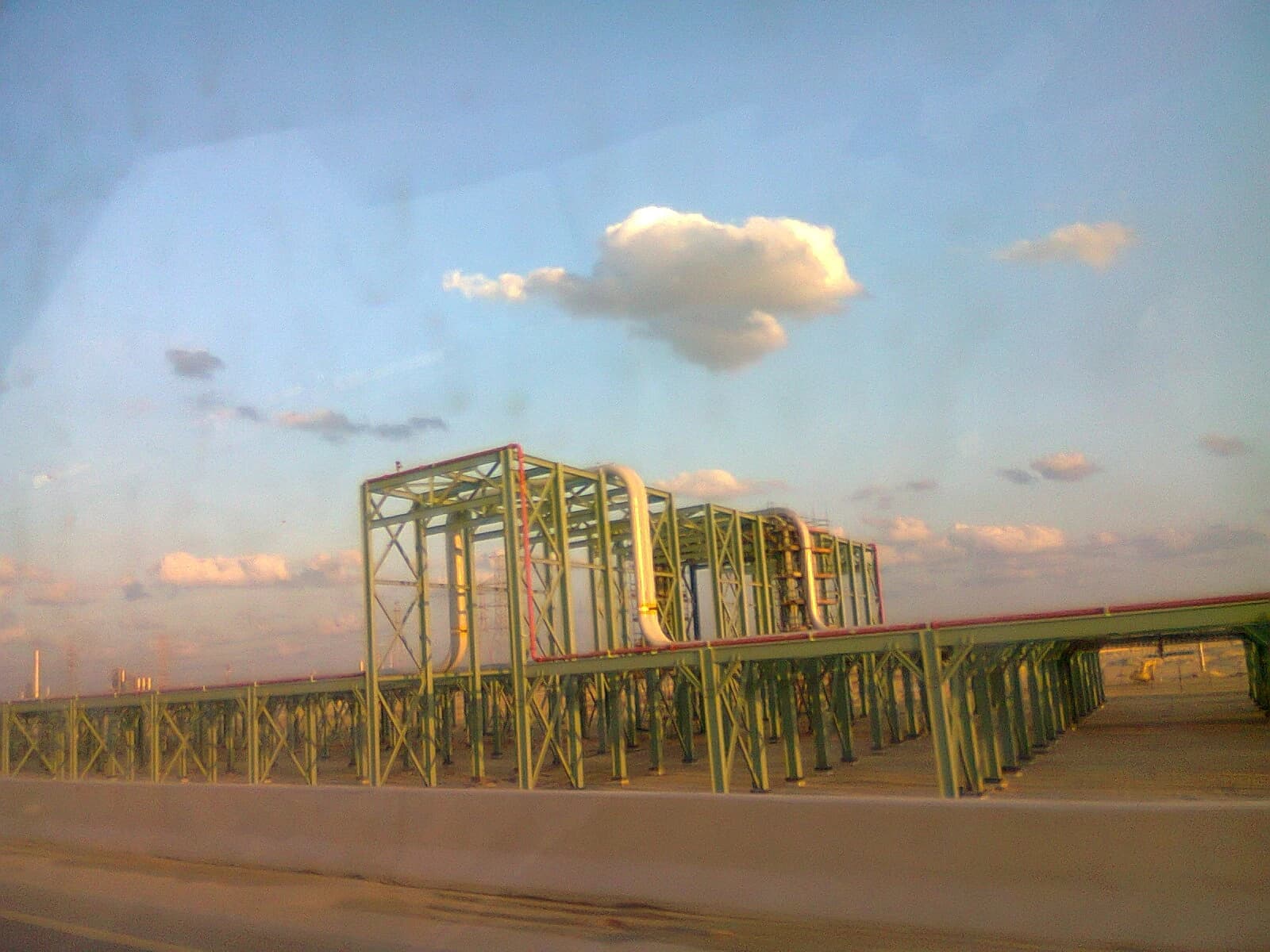
Saudi Arabia’s use of the World Cup as a promotional platform gives Aramco and the kingdom a rare chance to sell a softer image of a still oil-dependent economy, even as investors keep focusing on cash flow, crude prices and state spending needs.
The key economic point is that the sponsorship is less about football than about leverage: Riyadh is spending to widen its international footprint ahead of a period when it wants to attract capital, tourism and strategic partnerships beyond hydrocarbons. For Aramco, the world’s biggest oil exporter remains the kingdom’s financial engine, so any effort to tie its name to a global spectacle underscores how central the company is to Saudi Arabia’s fiscal and political strategy.
Aramco shares on the Saudi exchange have been trading above both their 50-day and 200-day moving averages, with the stock closing at 26.48 riyals on July 30, up from 23.54 riyals in late September last year. Momentum has cooled from recent peaks — RSI readings have eased into the low-40s from overbought levels in April — but the stock still sits well above the 25.60-riyal area tracked by its 200-day average, suggesting investors are not pricing in a collapse in oil-linked earnings.
That matters because every high-profile sponsorship or state-backed marketing push comes against the same backdrop: Saudi Arabia needs strong hydrocarbons receipts to fund domestic projects, while also trying to broaden its economy under Vision 2030. The tension between image-building and revenue dependence is what makes Aramco’s brand decisions financially relevant, not just reputationally important.
For investors, the upside is clearer for the kingdom than for minority shareholders in Aramco. More global visibility can support Saudi Arabia’s bid to draw foreign money and deepen ties with sporting and political institutions, but it does not change the company’s exposure to oil demand, OPEC+ policy or state-directed capital allocation.
The next catalyst is whether Saudi Arabia uses the tournament platform to announce broader investment, tourism or infrastructure tie-ins. For Aramco holders, the real test remains crude markets and dividend discipline, not the branding campaign itself.
| Entity | Gains | Losses |
|---|---|---|
| Saudi Arabia | ▲Global visibility | ▼Higher sponsorship costs |
| Aramco | ▲Brand reach | ▼Little direct financial upside |
| Investors in 2222.SR | ▲Potential Saudi rerating | ▼No change to oil dependence |
| Oil exporters | ▲Softer image | ▼Pressure to fund broader spending |