Argentina 2027 Budget Assumes Weaker Peso, 18% Inflation

Argentina’s 2027 budget is being built around a weaker peso, faster inflation and only modest growth, a mix that underscores how fragile the recovery remains and why investors should expect more pressure on local bonds, consumer demand and import-heavy companies.
The government is sending Congress a plan that assumes the dollar will reach 1,847 pesos by the end of next year, with growth of 4% and inflation of 18%, according to the seed figures. That is not a stability story. It is a policy admission that the exchange rate will keep doing much of the heavy lifting in the macro adjustment, while price gains remain elevated enough to erode purchasing power and keep real interest rates, wages and public finances under strain.

For investors, the message is twofold. First, currency depreciation remains the central risk variable. A peso that keeps losing ground raises the local-currency cost of servicing hard-currency debt, complicates import pricing and can pressure companies reliant on foreign inputs. Second, the inflation path still looks too hot for a clean rerating in domestic assets. Even if 18% is slower than recent double-digit surges, it still leaves household demand vulnerable and keeps the central bank boxed in between supporting activity and defending the peso.
The broader narrative is one of a government trying to anchor expectations before an election year while markets demand proof that the disinflation trend can survive fiscal and political volatility. That is why the budget matters beyond the headline assumptions: it sets the base case for wages, rates, tariffs and corporate planning, and it signals where policymakers think the economy can realistically land without another bout of instability.
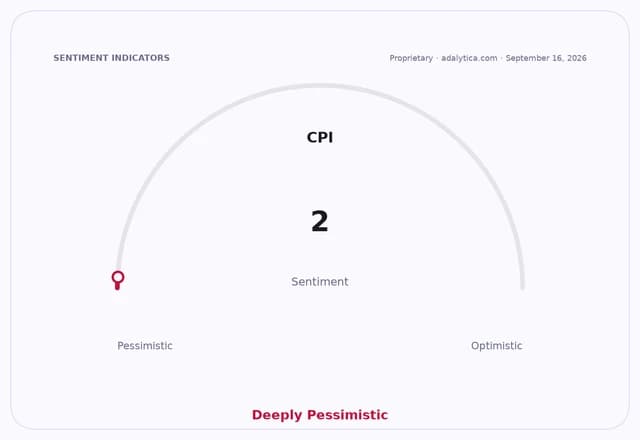
Treasury yields and inflation expectations in global markets remain sensitive to any sign that large fiscal programs or weaker currencies can reaccelerate price pressures, and Argentina is showing exactly how quickly that dynamic can return. The local equity winners are likely to be exporters, dollar earners and companies with pricing power. The losers are lenders to peso consumers, retailers, utilities and firms dependent on imported goods or capital equipment.
If the government’s 2027 framework proves credible, it could give local assets a floor. If it fails, the peso path embedded in the budget may end up looking conservative rather than optimistic. For now, the investable takeaway is clear: own hard-currency earners and avoid businesses that live or die by a stable peso and cheap imports.
| Entity | Gains | Losses |
|---|---|---|
| Exporters | ▲Dollar revenues rise | ▼ |
| Dollar-linked firms | ▲Hedge inflation | ▼ |
| Consumers | ▲ | ▼Purchasing power erodes |
| Importers | ▲ | ▼Higher input costs |
| Peso bonds | ▲ | ▼Currency risk rises |