Argentina Central Bank Faces Inflation Criticism
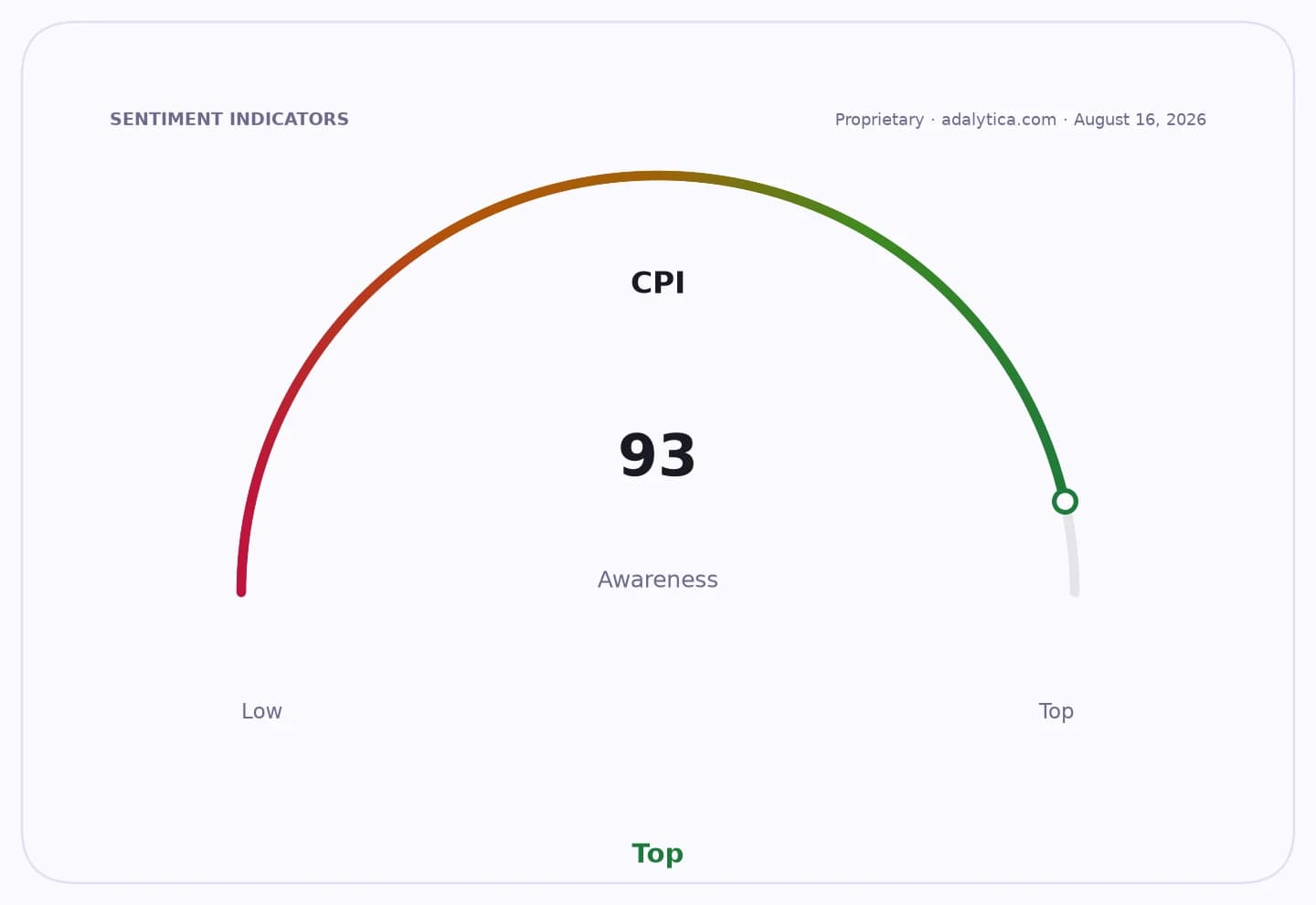
Argentina’s central bank is coming under sharp criticism from economists after two years of failing to bring inflation to heel, underscoring how little credibility policymakers have left as they try to balance price stability, reserves and growth.
The dispute matters because inflation is not just a macro statistic in Argentina; it is the anchor for wages, debt contracts, domestic savings and any hope of restoring investment. When the central bank misses its target for two years and offers no clear accountability, investors are left to price policy as a moving target, which tends to keep borrowing costs high and capital formation weak.
That is the backdrop to economist Melconian’s warning that the economy faces a “complicated alley” and must choose among lowering inflation, rebuilding reserves or reviving growth. The message is that the current policy mix cannot credibly deliver all three at once. Tightening enough to curb prices can restrain activity and hurt credit, while trying to support growth risks undermining disinflation and weakening the external balance.
The inflation numbers in the broader macro data show why the criticism is not abstract. Argentina’s price level remains elevated and sticky, with inflation still running at a pace that keeps household purchasing power under pressure even after months of policy efforts. In such an environment, a central bank’s credibility is as important as the policy rate itself. If markets believe officials will miss targets again, they demand higher nominal compensation, which can keep inflation expectations embedded in prices and wages.
For investors, that leaves a familiar split. Bullish case: if the government can deliver a cleaner policy framework, stabilize prices and rebuild reserves, local assets could rerate from deeply depressed levels. Bearish case: if the central bank remains boxed in and the economy continues to stall, real yields, bank lending and corporate balance sheets stay under strain, while sovereign risk premiums remain elevated.
The broader market context is also telling. Conventional technical indicators on major U.S. risk assets, including the S&P 500 ETF, show equities still well above their longer-term trend even as momentum has become stretched, while U.S. Treasury yields remain firm and the dollar ETF is trading near a weaker technical posture. That mix suggests global conditions are not forcing Argentina’s hand either way; the dominant driver remains domestic policy credibility.
For now, the central bank’s challenge is not just to slow inflation but to prove it can do so consistently. Until policymakers show a path that reconciles disinflation with reserves and growth, economists are likely to keep asking the same question: if there is no clear accountability for missing the target, why should markets believe the next one?
| Entity | Gains | Losses |
|---|---|---|
| Households | ▲Stable prices if policy works | ▼Purchasing power erosion |
| Central bank | ▲Credibility if targets are met | ▼Trust after repeated misses |
| Government reform agenda | ▲Relief from inflation if successful | ▼Political capital if growth weakens |
| Investors in local assets | ▲Higher valuations on policy success | ▼Higher risk premium and volatility |