Argentina bill targets Falklands oil companies
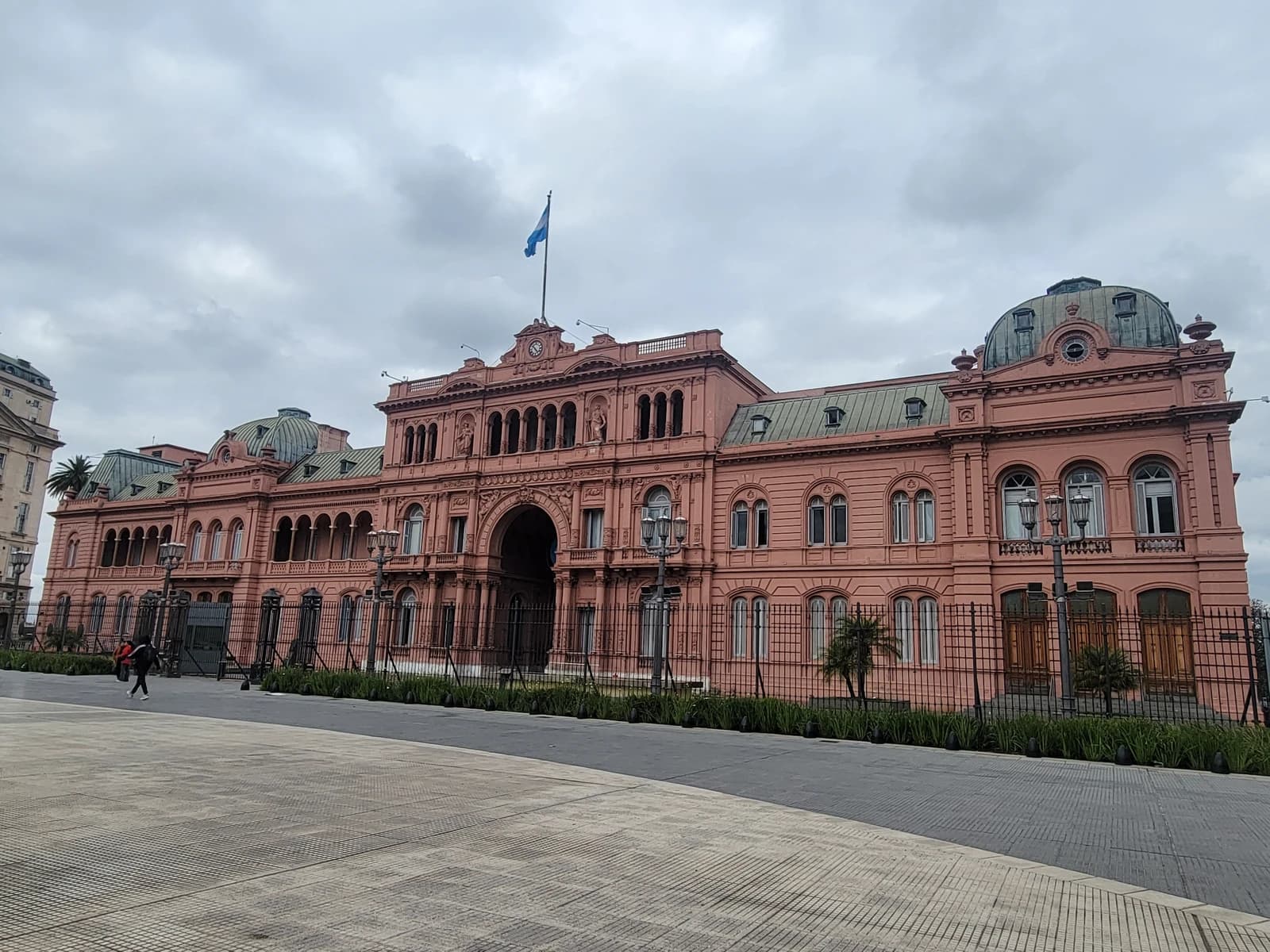
Argentina is preparing to escalate its dispute over the Falklands with a bill that would punish companies operating there without Buenos Aires’ authorization, a move aimed squarely at the offshore Sea Lion oil project and the wider business network that supports activity around the islands.
The economic significance is less about symbolism than enforcement. By threatening sanctions on Argentine companies that provide logistics or services to firms active in the islands, President Javier Milei is trying to raise the cost of doing business in a politically sensitive area where sovereignty claims and resource rights overlap. That matters because Sea Lion, led by Rockhopper Exploration and Navitas Petroleum, is one of the clearest commercial tests of whether hydrocarbons near the archipelago can be developed despite Argentina’s objections.
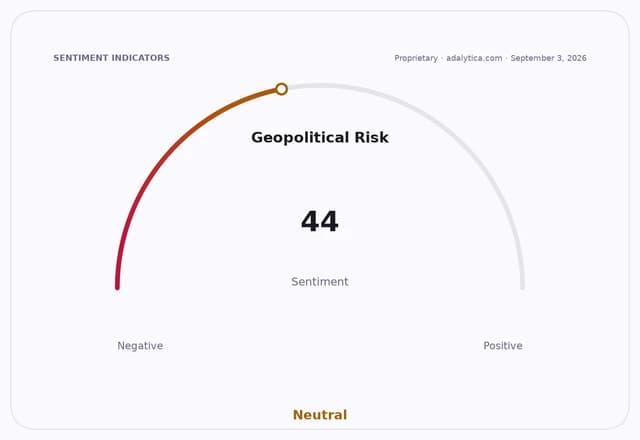
For investors, the bill introduces a fresh layer of regulatory and operational risk for any company with exposure to the project, its supply chain or regional service providers. Even if the measure does not stop development outright, it could complicate procurement, marine support, insurance and financing, especially for Argentine-linked counterparties that may prefer to avoid secondary exposure. The prospect of penalties also raises the odds of legal uncertainty around future contracts and logistics arrangements.
Milei’s government is trying to balance that hard line with a diplomatic frame. The president has said the message would be a strong one for what he calls Argentina’s “most important and sacred cause,” while stressing that any recovery of the islands must come through diplomacy. That language suggests Buenos Aires wants to deter commercial activity without closing the door to international negotiation, even as it signals to domestic audiences that it is not softening its territorial claim.
The timing adds another geopolitical layer. The announcement is due after Donald Trump said the United States could review its position on the sovereignty question, a remark that Buenos Aires will likely read as an opening, however small, in a long-standing dispute in which Washington has historically leaned toward Britain. Any shift in US rhetoric would not resolve the issue, but it could influence how much diplomatic cover investors believe the Sea Lion project has.
For the market, the immediate question is whether this becomes a broad enforcement regime or a narrower political warning. The bull case for Sea Lion is that the project still rests on commercially attractive reserves and backing from experienced operators willing to navigate political friction. The bear case is that Argentina’s move broadens the range of parties exposed to retaliation, making the project harder to finance, service and scale even before first oil.
The bill, if advanced, would show that the Falklands dispute remains capable of spilling into corporate decision-making and energy capital allocation, not just diplomacy. Investors will be watching whether Buenos Aires follows the announcement with detailed enforcement rules, and whether companies active in the South Atlantic begin to reassess the political discount attached to the basin.
| Entity | Gains | Losses |
|---|---|---|
| Argentine government | ▲Domestic sovereignty posture | ▼Higher diplomatic friction |
| Rockhopper / Navitas | ▲None immediately | ▼Regulatory uncertainty |
| Argentine service providers | ▲Protected from exposure | ▼Lost business with island projects |
| Falklands oil investors | ▲Clearer political risk pricing | ▼Potential sanctions and delays |