Argentina Cancels London Trip, Targets Falklands Oil
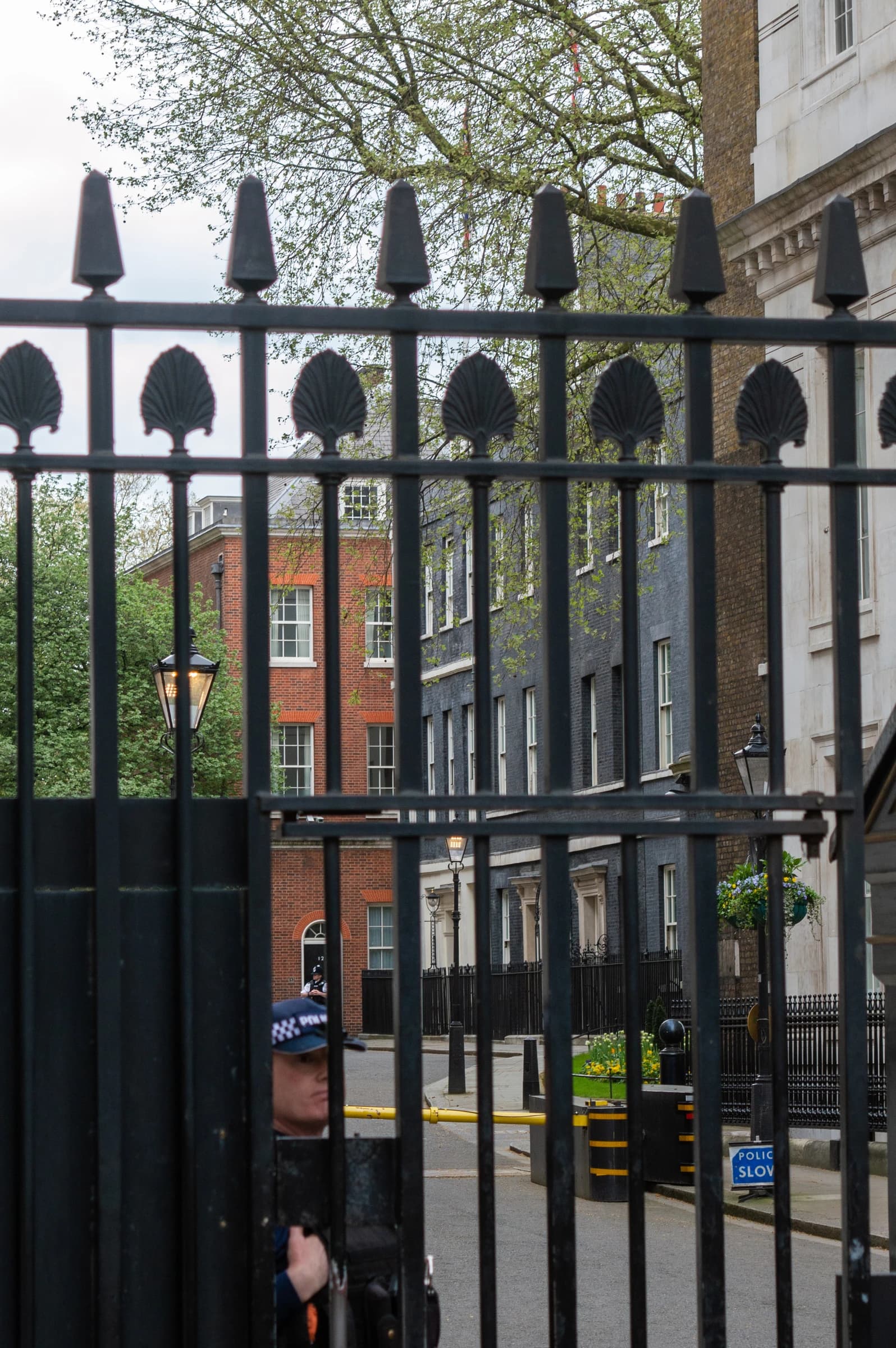
Argentina’s Javier Milei has canceled a planned trip to London, hardening a sovereignty dispute over the Malvinas just as Buenos Aires moves to investigate 45 entities and projects tied to hydrocarbons around the disputed islands.
That matters because the president is turning a symbolic territorial grievance into a policy campaign with potential economic consequences for offshore energy developers, the UK’s administration of the islands and any investors exposed to the South Atlantic basin. Milei has been one of Latin America’s most investor-friendly leaders, but on Malvinas he is choosing nationalism over outreach, removing any chance that the London visit could have produced even a low-level diplomatic thaw.
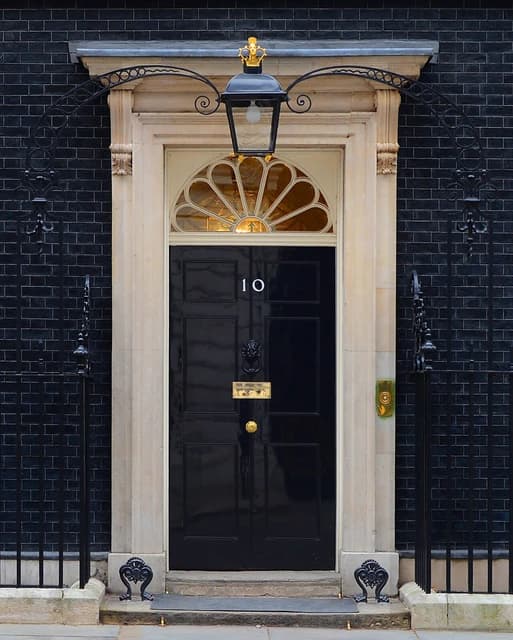
The canceled trip had been scheduled for late October, when Milei was due to give a lecture at Oxford. Instead, his office is signaling that the visit is off after days of mixed messaging from the presidency and after Milei said on Thursday that “winds of change” were blowing in favor of Argentina’s historical claim.
The timing is important for markets because Buenos Aires is escalating beyond rhetoric. The government says it will review possible ties between 45 companies, projects and other entities linked to oil and gas exploration and production near the Falkland Islands, the British-controlled archipelago that Argentina calls the Malvinas. Milei also announced tougher sanctions against any petroleum project in or around the islands.
For investors, the headline risk is not a broad macro shock, but a growing policy overhang for any energy names, contractors or service firms with exposure to frontier offshore drilling or South Atlantic logistics. Even if the practical impact is limited, legal and reputational risk can chill financing, delay permits and widen the discount applied to projects that depend on stable cross-border rules.
The move also underscores a broader political calculation. Milei has actively courted foreign capital through investor roadshows in New York and Paris, but the Malvinas file is becoming a domestic sovereignty test. By pulling back from London, he avoids a photo opportunity that could be read at home as conciliatory and keeps pressure on Britain while energizing a nationalist base.
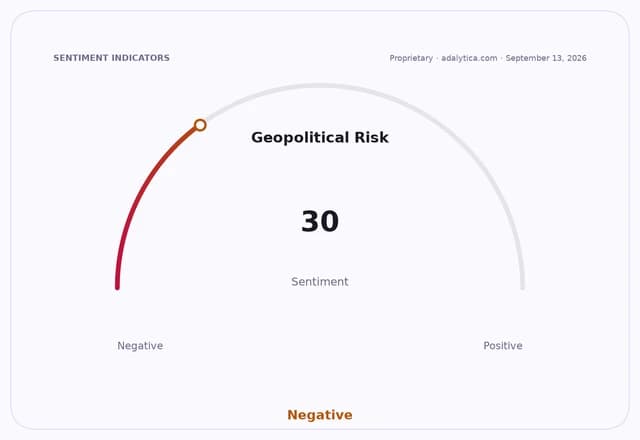
There is an investable second-order effect here: geopolitical friction tends to lift demand for defense, energy security and risk hedging, while punishing the smallest, most vulnerable frontier projects first. Adalytica’s Global Stability Sentiment sits in “Fear” at 30, reflecting how quickly market mood can deteriorate when diplomatic disputes spill into resource policy, even if broader FX volatility signals remain only neutral.
The practical takeaway is that this is less about a canceled speech in Oxford than about Argentina weaponizing sovereignty as an economic lever. If Milei sustains the crackdown, the market should expect more caution around Falklands-linked exploration, greater scrutiny of UK-Argentina relations and a modest premium for any assets tied to South Atlantic hydrocarbons.
| Entity | Gains | Losses |
|---|---|---|
| Argentine government | ▲nationalist leverage | ▼diplomatic flexibility |
| UK/Falklands administrators | ▲status quo stability | ▼room for compromise |
| Offshore oil explorers | ▲none | ▼sanctions risk |
| Defense and risk-hedge assets | ▲safe-haven demand | ▼— |