Argentina household debt and arrears rise, IMF says
Argentina’s household debt load is still too small to shake the banking system, the IMF said, even as arrears in consumer lending hit their highest level in 20 years and millions of borrowers fall behind.
That judgment matters because it draws a line between a painful consumer-credit squeeze and a broader financial-stability event. For investors, the distinction is critical: rising household stress can pressure loan growth, fee income and provisioning at banks such as BBVA Argentina and Banco Macro, but it does not yet imply a balance-sheet crisis or a forced policy response.
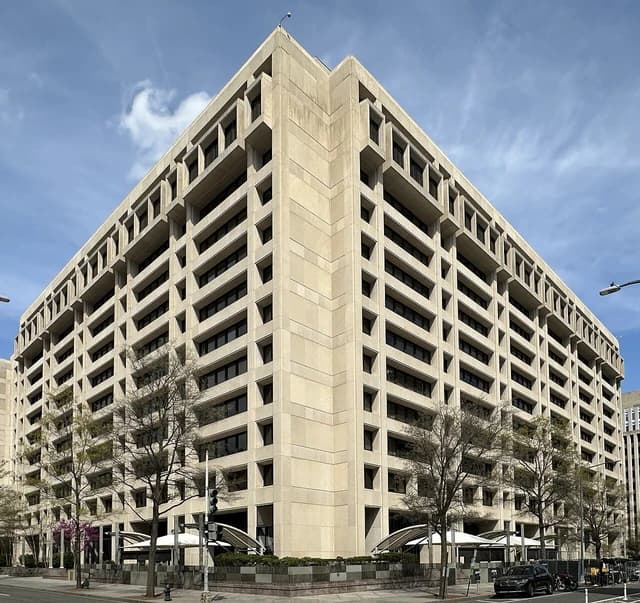
IMF spokeswoman Julia Kozack said the Fund is “monitoring” the rise in household delinquency but does not see “a significant risk” to financial stability in Argentina. The key reason is scale. Household debt stands at about 8% of gross domestic product, which she said is low relative to many Latin American peers. Banks are also “well capitalized and liquid,” with provisions covering more than 85% of non-performing loans, according to the IMF.
The reassurance comes at a sensitive time for President Javier Milei’s economic program. Argentina’s 2025 four-year extended fund facility with the IMF, worth $20 billion, depends on continued financial stability as Milei pushes austerity, deregulation and a sharp correction in prices and wages. The government has restored ties with the Fund after years of defaults and standstills, making IMF commentary an important signal for markets watching whether the adjustment can hold without a credit event.
But the consumer backdrop is clearly deteriorating. The Central Bank says about 5.8 million Argentines are in default, with more than 90 days overdue on debt, and roughly half are classified as uncollectable. Delinquency has tripled over 12 months, and the worst damage is concentrated in personal loans and credit cards, which account for more than 70% of troubled borrowers. That points less to a banking-sector solvency problem than to a recessionary household-income problem.
In other words, the debt stock may be small, but the stress within it is large. The IMF’s view is that Argentina’s shallow banking system limits spillovers: because credit penetration is low, even a sharp rise in arrears is not yet big enough to jeopardize the system as a whole. That is why the Fund can sound calm while acknowledging record bad loans. The risk is not contagion; it is the drag on consumption, bank earnings and the next phase of credit creation.
For lenders, the immediate question is how much of the jump in non-performing consumer loans is already priced in. Recent share performance in Argentine banks has been volatile, with BBVA Argentina, Banco Macro and Supervielle all well below their summer peaks as investors weigh profitability against credit-quality deterioration. Technically, the shares have also weakened: BBAR and BMA have slipped below their 50-day moving averages, while SUPV has lost momentum after a sharp run-up, reflecting caution around earnings quality and asset quality.
The policy angle is equally important. Milei has argued that borrowing is a private contract and not a state concern, but the IMF’s language suggests the Fund does not want the issue reframed as a systemic panic either. That leaves the government with a narrower but still politically difficult challenge: household indebtedness can worsen living standards and curb spending without triggering a banking rescue, which means the burden falls on wages, employment and growth rather than on financial-sector intervention.
What matters next is whether delinquency stabilizes as inflation cools and real incomes recover, or whether weak wages and high utility costs keep pushing borrowers deeper into arrears. If the latter persists, the story will shift from “not a systemic risk” to a slower-burn squeeze on consumption and bank profitability — a dynamic that matters for Argentina’s recovery as much as for lenders’ earnings.
| Entity | Gains | Losses |
|---|---|---|
| IMF / financial system | ▲Stability narrative | ▼Pressure to warn of contagion |
| Argentine banks | ▲Strong capital buffers | ▼Higher provisions and weaker loan growth |
| Argentine households | ▲Potential future credit easing | ▼Rising arrears and tighter budgets |
| Milei government | ▲No systemic-bailout shock | ▼Political cost from household stress |