Argentina household debt rises as Milei faces pressure
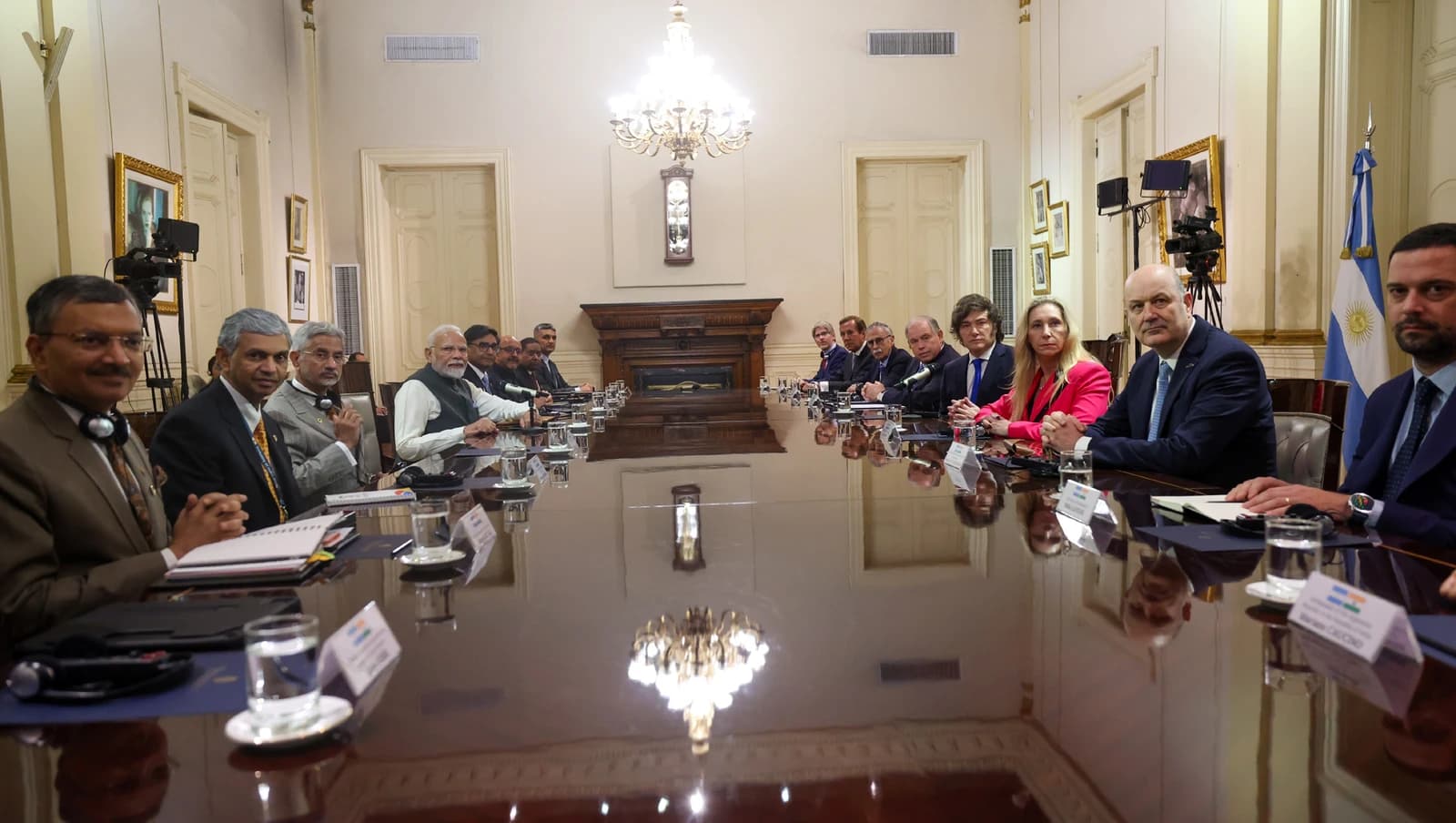
Argentina’s surge in household debt is turning into a political and economic problem for Javier Milei, with the sharpest stress concentrated among younger borrowers who backed his 2023 victory.
Nearly half of Argentina’s 45 million people now carry some form of debt and more than 5 million are behind on payments, according to the Urban Studies Center, which tracks borrowing using central bank data. The most troubling figure for the government is the 37.6% delinquency rate among people under 25, the highest of any age group, underscoring how a stabilization plan built around lower inflation and fiscal discipline is not yet delivering relief to the consumers who feel it most.

That matters because Milei’s program has worked best on the macro headlines: he has cut the fiscal deficit and driven annual inflation down from a peak of 289% in early 2024 to about 34% in July. But lower inflation has also slowed wage gains, while borrowing costs remain punishing under tight monetary policy. At the same time, subsidy cuts on gas, power and transport have lifted household expenses, leaving many families squeezed between still-elevated credit rates and weaker real income growth.
The strain is already spilling into politics. Lawmakers in Congress have agreed to review 50 proposals aimed at easing household obligations, including interest-rate caps and refinancing schemes. Even some legislators aligned with Milei have backed debate on relief measures, a sign that the issue is moving beyond a social concern and into legislative pressure. Milei, however, has rejected direct state intervention, arguing that unpaid debts are a private matter between lenders and borrowers.

For investors, the story is as much about credit quality and consumer demand as it is about politics. Argentina’s digital payment platforms have expanded access to borrowing for people who struggle to obtain bank loans, but that convenience comes with triple-digit interest rates for higher-risk customers. If delinquencies continue rising, lenders face heavier provisioning and slower growth in retail credit, even if the broader banking system remains sound. Banco BBVA Argentina and other local lenders have already signaled that consumer lending is an area requiring caution, while non-performing loans in consumer portfolios have been deteriorating at some banks.
The macro backdrop explains why the problem is so politically potent. When inflation was running at extreme levels, households could rely on rapid nominal wage increases and constant price repricing to keep debts from becoming unmanageable. As inflation falls, that adjustment mechanism weakens. Families are now experiencing the discipline of stabilization without yet seeing a broad improvement in purchasing power. That disconnect is what risks undermining support for Milei, particularly among younger voters who were central to his rise and could prove decisive in the 2027 presidential race.
Public approval already reflects the strain. A Zuban Córdoba poll cited by Western media put Milei’s approval at 33%, down from 49% in December 2025, and most respondents said their economic situation had worsened since he took office. That leaves the government facing a familiar but difficult trade-off: protect the credibility of its anti-inflation program, or respond to a mounting household debt burden that is increasingly reshaping the political economy around it.
If the debt burden keeps rising, the next flashpoint will be whether banks extend more forbearance on their own or whether Congress forces the issue with consumer relief. Either way, the debt stress among young Argentines is no longer just a social statistic; it is a test of whether Milei’s stabilization can translate into a durable recovery in living standards before the political cost becomes harder to contain.
| Entity | Gains | Losses |
|---|---|---|
| Milei government | ▲Lower inflation credibility | ▼Young voter support |
| Banks / lenders | ▲Higher yield on risky credit | ▼Rising delinquency risk |
| Indebted households | ▲Possible refinancing relief | ▼Disposable income |
| Opposition lawmakers | ▲Political opening | ▼Less need to defend austerity |