Argentina Defends Malvinas Claim Under Milei
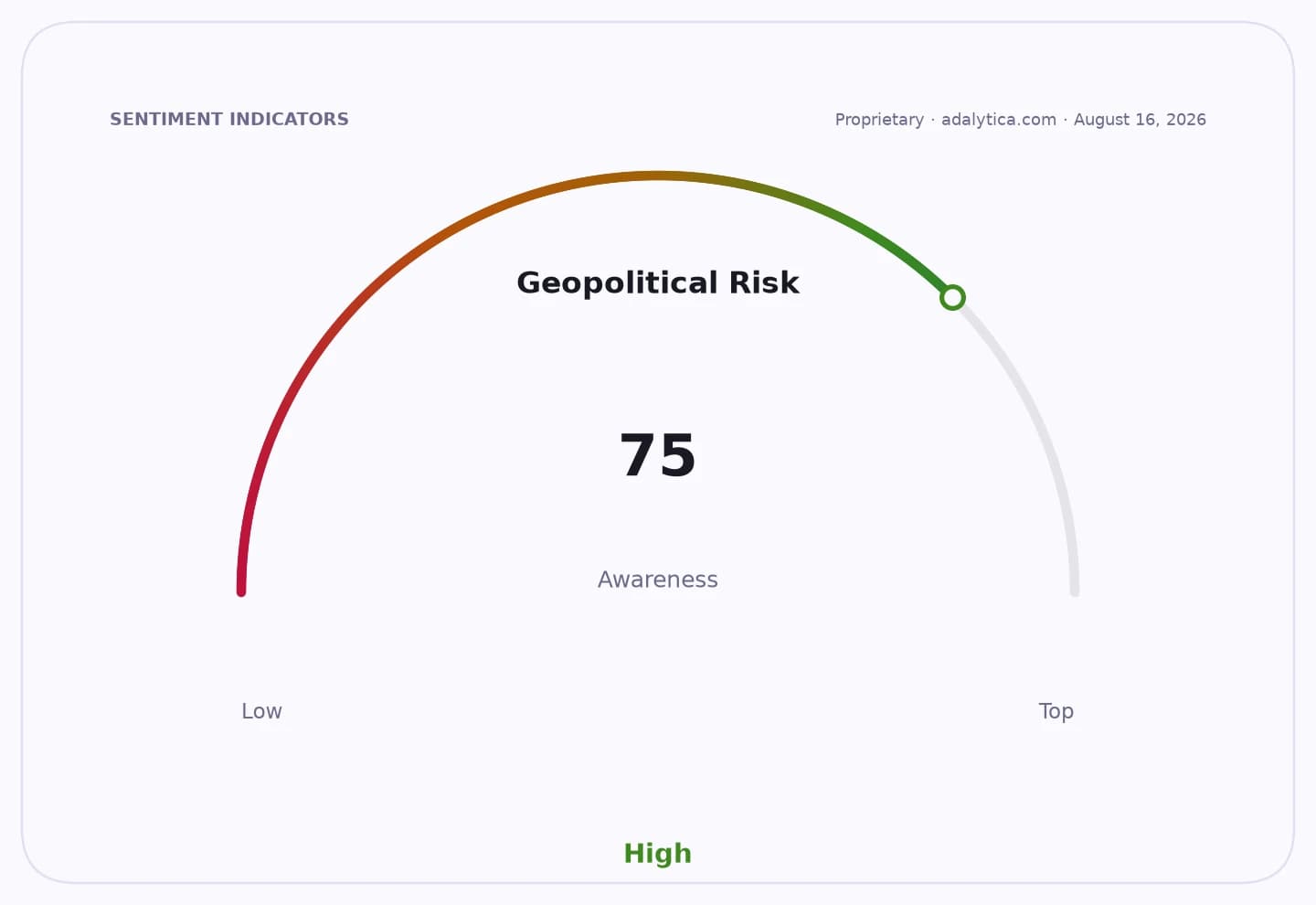
Argentina’s government has agreed to defend its claim to the Malvinas, underscoring that Javier Milei’s pro-market reset has not extended to the country’s core sovereignty disputes.
That matters because the Falklands remain one of Argentina’s most durable geopolitical fault lines, shaping relations with Britain, the regional security backdrop and, at the margin, how foreign investors price political risk in Buenos Aires. Milei came to power promising a sharp break with the past, but on the islands he is choosing continuity, not concession.
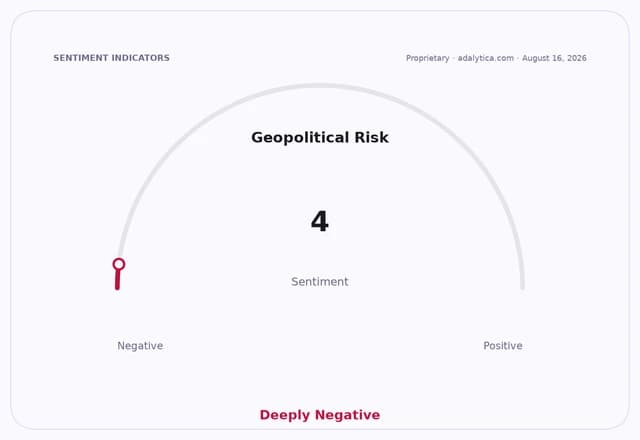
The political significance is larger than the wording of a diplomatic statement. Sovereignty over the Malvinas is woven into Argentine nationalism, and any government that appeared to soften its position would face immediate domestic backlash. By reaffirming the claim, Milei is insulating himself from that risk while keeping space open for improved ties with Western capitals on trade, finance and investment.
For investors, the message is two-sided. On one hand, the sovereignty dispute is unlikely to derail Argentina’s broader reform agenda or its push to normalize markets. On the other, it is a reminder that geopolitics in Argentina can reassert itself quickly, especially when domestic politics intersects with Britain, defense and offshore resource ambitions around the South Atlantic.
That is why the market’s focus should stay on second-order effects. Argentina’s equity proxy, the ARGT ETF, has held near $90.97 to $91.13 in recent sessions, just below its 50-day moving average of about $93.59 and slightly above the 200-day average near $91.62. The setup suggests investors remain constructive but cautious, with momentum softening as the fund has struggled to break decisively higher. Brazil’s EWG, by contrast, has pushed to $44.16 and sits well above both its 50-day and 200-day averages, while China’s FXI has eased to $34.89, still below its 200-day average. In other words, the Argentina trade remains selective and headline-sensitive.
The broader narrative is that Milei is trying to sell Argentina as investable on the back of fiscal discipline, deregulation and market access, while preserving the nationalist pillars that keep domestic politics stable. That balance may actually help him: investors generally care more about policy consistency, FX access and debt sustainability than about symbolic disputes, unless the dispute starts to affect capital flows or regional security.
The key implication is that the Malvinas issue is now a background risk, not the central investable story. The real opportunity remains in Argentina’s reform trade, but this latest reaffirmation shows Milei will not pay the political cost of appearing soft on sovereignty. For investors, that means keeping exposure to Argentina’s upside — while assuming geopolitical flashpoints will remain part of the discount rate.
| Entity | Gains | Losses |
|---|---|---|
| Milei government | ▲Domestic political cover | ▼Diplomatic flexibility |
| Argentine nationalists | ▲Stronger sovereignty stance | ▼Less room for compromise |
| UK government | ▲Status quo preserved | ▼Renewed friction with Buenos Aires |
| Argentina investors | ▲Reform story still intact | ▼Higher headline risk |