Argentina meat consumption falls as prices outpace wages
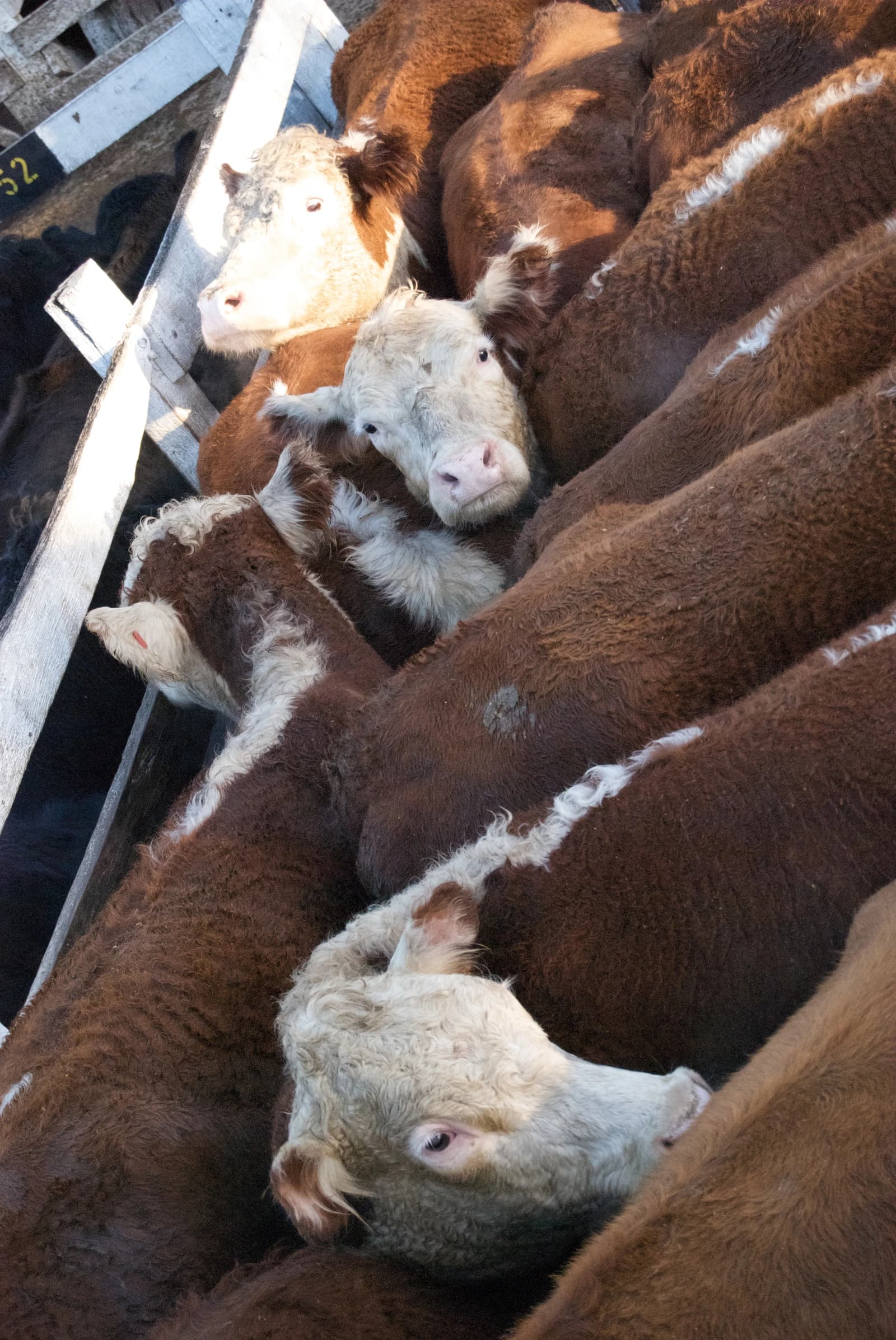
Argentina’s appetite for meat is weakening fast, and that matters because beef is still one of the clearest gauges of household purchasing power in a country where food inflation has repeatedly outrun wages.
Meat consumption has fallen 12% so far this year, leaving Argentines eating almost 5 kilos less than a year earlier, as prices rose faster than inflation over the past 12 months. For a country built around beef, the decline is more than a dietary shift: it is a reminder that even as inflation cools in parts of the economy, basic staples can still squeeze consumers and force them to cut back.
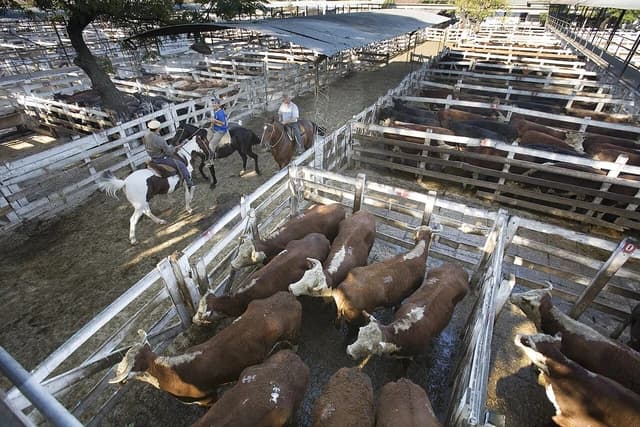
That has implications well beyond the dinner table. When families trade down on meat, they are signaling stress in the real economy — the kind that shows up in grocery bills, retail volumes and eventually corporate earnings. Higher-than-inflation price increases may help producers protect margins in the short run, but they also risk eroding demand if consumers simply can’t absorb them.
The story also speaks to Argentina’s broader inflation problem. Food is politically sensitive in any economy, but in Argentina it is especially so because meat is a cultural staple and a major component of everyday spending. Persistent price pressure on such a basic item can keep public frustration high even when headline inflation eases, making the cost-of-living debate impossible for policymakers to ignore.
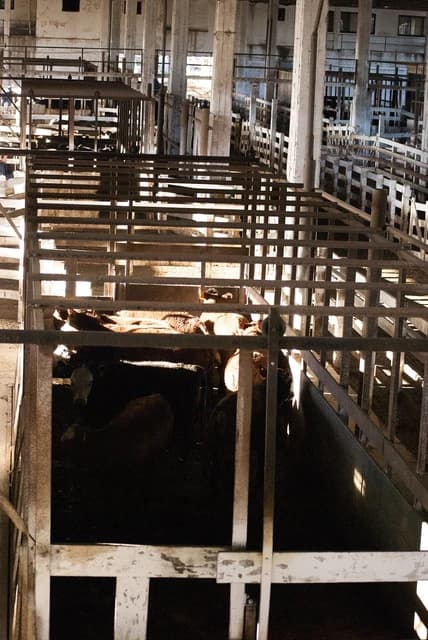
For investors, the key question is whether this is a temporary pullback or the start of a longer demand reset. Exporters and processors can still benefit from strong global demand, but domestic-oriented sales are vulnerable if Argentine households keep stretching budgets. Companies with pricing power, diversified export markets and efficient supply chains are better placed than those relying on local consumption alone.
That helps explain why the market will continue to favor the strongest operators in the protein space, including Tyson Foods, JBS and Cresud’s agribusiness exposure, while more commodity-sensitive names may face a tougher consumer backdrop. If inflation remains sticky and real incomes lag, meat demand could stay under pressure longer than investors expect.
The long-term takeaway is straightforward: in Argentina, meat demand is not just a consumer trend, it is an economic thermometer. Until wages regain ground on prices, the sector’s growth will depend more on exports and efficiency than on local volume recovery — and that is worth watching closely.
| Entity | Gains | Losses |
|---|---|---|
| Meat producers with export exposure | ▲Higher overseas demand | ▼Weak local volume growth |
| Argentine consumers | ▲None | ▼Higher grocery bills |
| Domestic-focused processors | ▲Pricing power, briefly | ▼Demand erosion |
| Global protein investors | ▲Selective opportunity | ▼Broad sentiment risk |