Argentina poverty basket rises to 1.6 million pesos
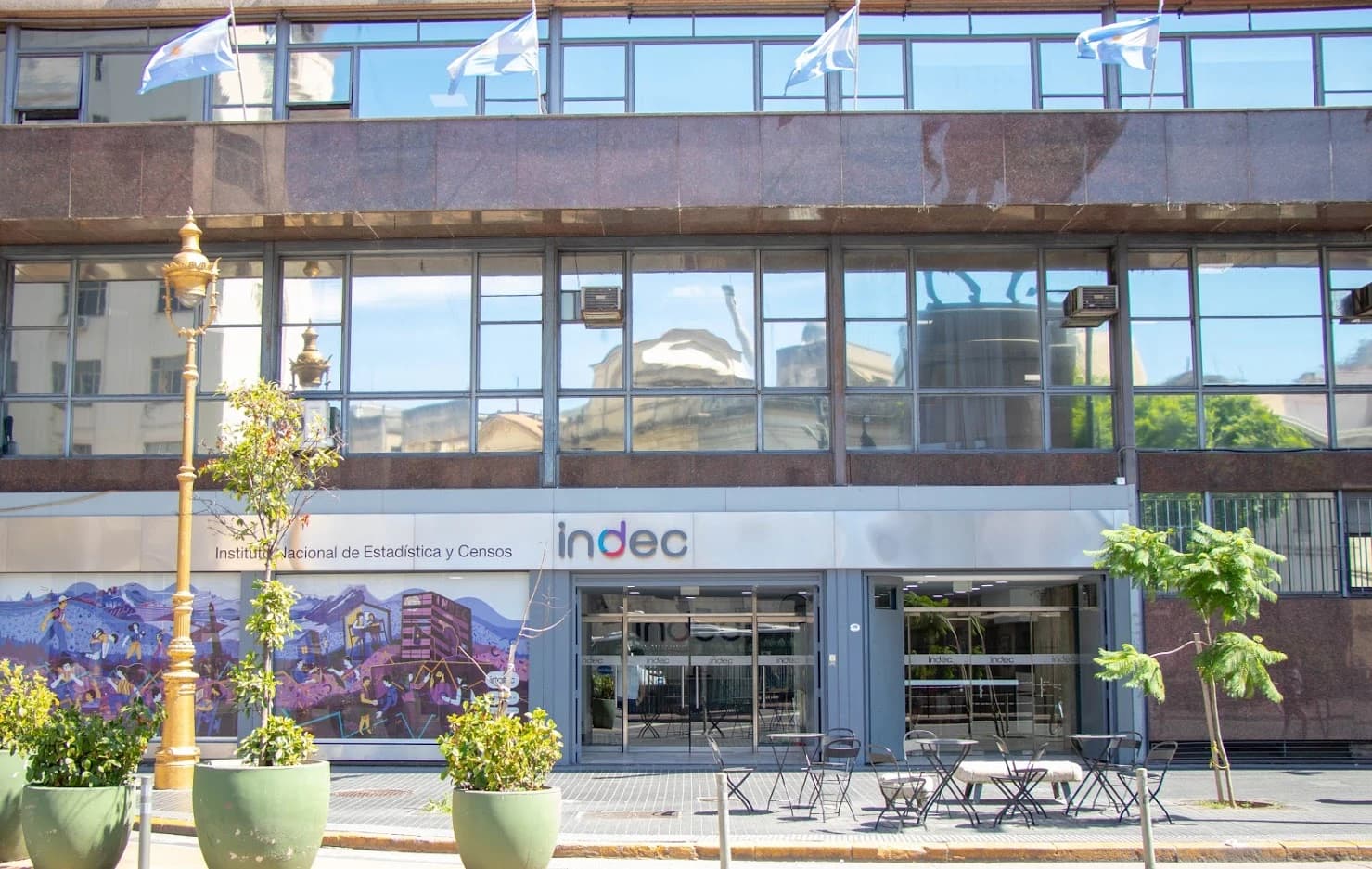
Argentina’s cost of staying out of poverty climbed to 1,605,497 pesos for a family of four in August, underscoring how even a slower inflation backdrop still leaves households under severe pressure and keeps consumer spending weak.
That figure from the national statistics agency, Indec, rose 2.6% from July, while the basic food basket — the threshold for indigence — also increased 2.6% to 726,469 pesos. Inflation slowed to 1.7% in August, the mildest pace in 14 months, but the key point for investors is that price relief is not the same thing as affordability. When the poverty basket is still rising faster than many wages and pensions can adjust, the average family remains trapped in a squeeze.
For Argentina’s economy, that matters because household consumption is the biggest transmission channel from inflation to growth. A rising poverty line means more income is being absorbed by essentials, leaving less for discretionary spending. That is a headwind for retailers, food producers and consumer lenders, even if the rate of inflation is easing. It also helps explain why the government can point to disinflation while many voters still feel little improvement in their day-to-day finances.
The detail behind the headline is striking. In July, the same family needed 1,564,716 pesos to avoid poverty and 708,016 pesos to stay above indigence. A month later, both baskets had moved higher again. Over the past year, the food basket has climbed 39.6% and the total basic basket 38.3%, showing that the cost of living remains stubbornly elevated even as monthly inflation has moderated.
That is the real investment story: disinflation is encouraging, but it is only the first step. Argentina still needs sustained wage recovery, stronger job creation and a durable restoration of purchasing power before consumers can drive a healthier growth cycle. Until then, the winners are likely to be companies with pricing power and low-income exposure, while the losers are households and the retailers that depend on broad-based spending growth.
For long-term investors, the message is to watch for genuine real-income improvement, not just lower monthly inflation prints. If wages keep lagging the basic basket, the consumer recovery will stay fragile. If real purchasing power begins to catch up, Argentina’s battered consumer sector could finally offer a more durable rebound.
| Entity | Gains | Losses |
|---|---|---|
| Argentine policymakers | ▲get credit for cooling inflation | ▼still face pressure over living costs |
| Households | ▲see slower monthly inflation | ▼face a higher poverty threshold |
| Consumer lenders/retailers | ▲may benefit from eventual recovery | ▼suffer from weak real spending |
| Exporters with hard-currency revenue | ▲gain from local-cost inflation easing | ▼face domestic demand weakness |