Argentina Sanctions Navitas Sea Lion Project
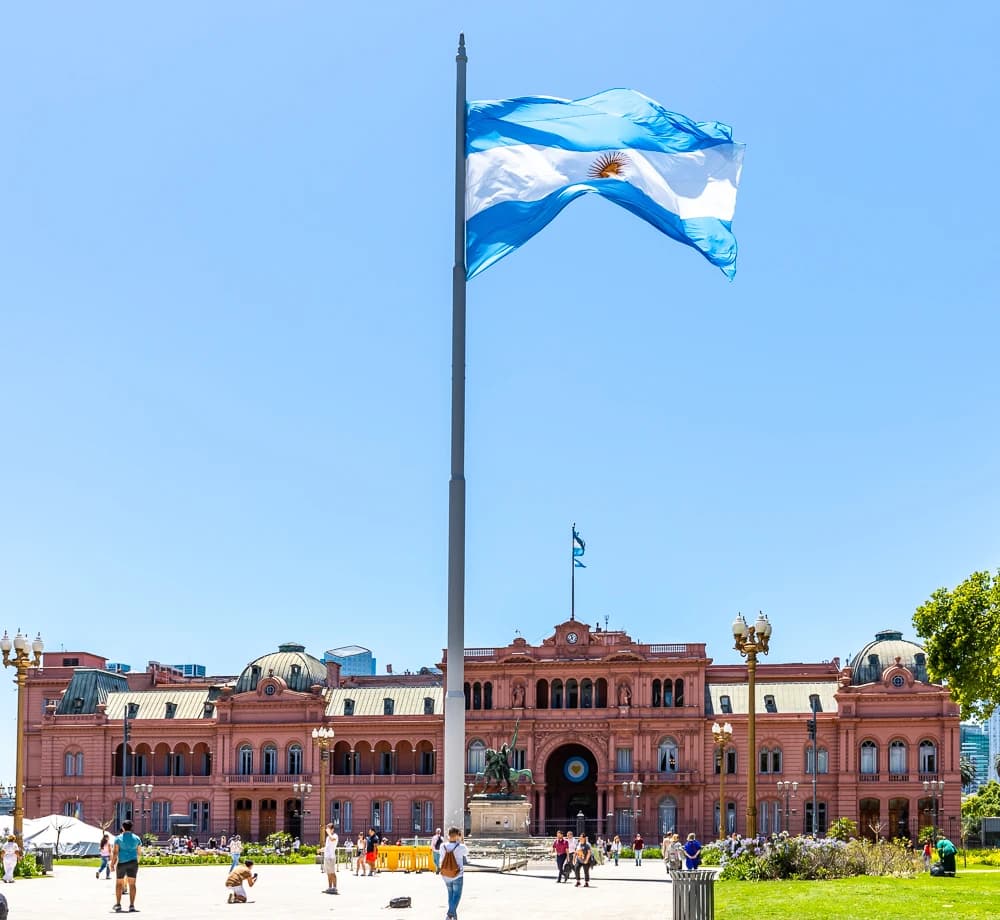
Argentina’s government has widened its campaign against offshore oil activity around the Malvinas, sanctioning 15 additional individuals and companies and escalating legal pressure on the Sea Lion project led by Navitas Petroleum.
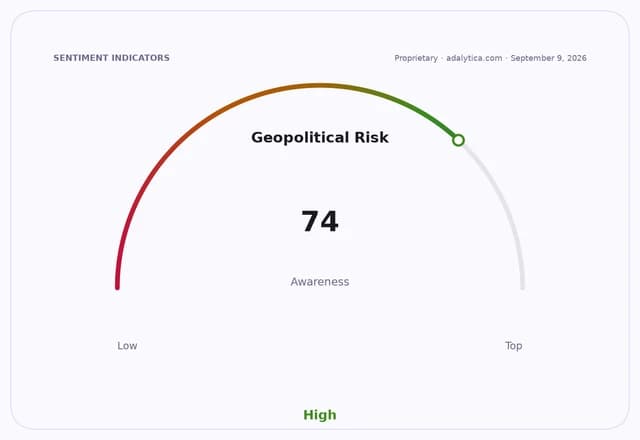
The move matters because it raises the cost and uncertainty of developing hydrocarbons in one of the South Atlantic’s most politically sensitive basins. For Argentina, the sanctions are part of a sovereignty strategy aimed at blocking what it views as unauthorized exploitation of resources on its continental shelf. For investors, they add another layer of legal, financing and operational risk to a project that is already controversial because of the islands’ disputed status.
Buenos Aires said the new penalties add to proceedings already begun against 45 other parties and cover people and legal entities involved in what it considers unlawful hydrocarbon activity. The government said it will not tolerate violations of its sovereignty over the Malvinas, South Georgia and the South Sandwich Islands, and the surrounding maritime zone.
The latest action follows a criminal complaint filed Monday against five oil and gas exploration firms tied to Navitas Petroleum, the Israeli company that leads the Sea Lion development. Navitas holds a 65% operating interest in the project, while Rockhopper Exploration owns the remaining 35%. Argentina also named the project’s shareholders, Navitas Petroleum LP and Eco (Atlantic) Oil & Gas, underscoring that it is not limiting its effort to operators alone.
Sea Lion sits in the North Malvinas Basin, about 220 kilometers north of Puerto Argentino. The field is expected to start drilling in early 2027, with first oil targeted for 2028, and is designed to recover more than 300 million barrels over three decades. That scale helps explain why the project has drawn intense political scrutiny: for supporters, it represents a major long-duration offshore development; for opponents, it is a direct challenge to Argentina’s territorial claim and control over future resource revenues.
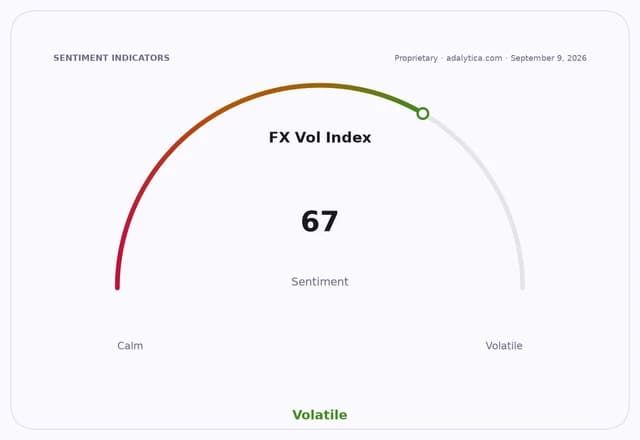
The sanctions are unlikely to halt Sea Lion on their own, but they can complicate everything from insurance and contractor access to capital markets support and counterparties’ willingness to engage. Even where enforcement outside Argentina is limited, the threat of being targeted by a sovereign government can deter service providers and raise financing costs, especially for smaller explorers and partners with fewer legal resources.
For Navitas and Rockhopper, the immediate issue is not just diplomacy but project execution. Offshore developments depend on stable permitting, specialist services and long lead times, and any escalation in legal action can slow decision-making and widen the risk premium attached to the basin. For Argentina, the downside is that aggressive legal action may harden the dispute without changing the on-the-water balance around the islands.
Investors will be watching whether the sanctions extend beyond paper measures into tangible obstacles for financing, insurance or shipping. Any sign of broader international support for Argentina’s claim could weigh on the project’s economics; conversely, if the measures remain symbolic, Sea Lion may proceed but with a higher geopolitical discount than many comparable offshore developments.
| Entity | Gains | Losses |
|---|---|---|
| Argentina government | ▲sovereignty claim | ▼investor confidence |
| Navitas Petroleum / Rockhopper | ▲none | ▼legal and financing risk |
| Service providers / lenders | ▲lower exposure | ▼project business |
| Malvinas offshore project | ▲political attention | ▼development certainty |