Argentina savings gap limits investment growth
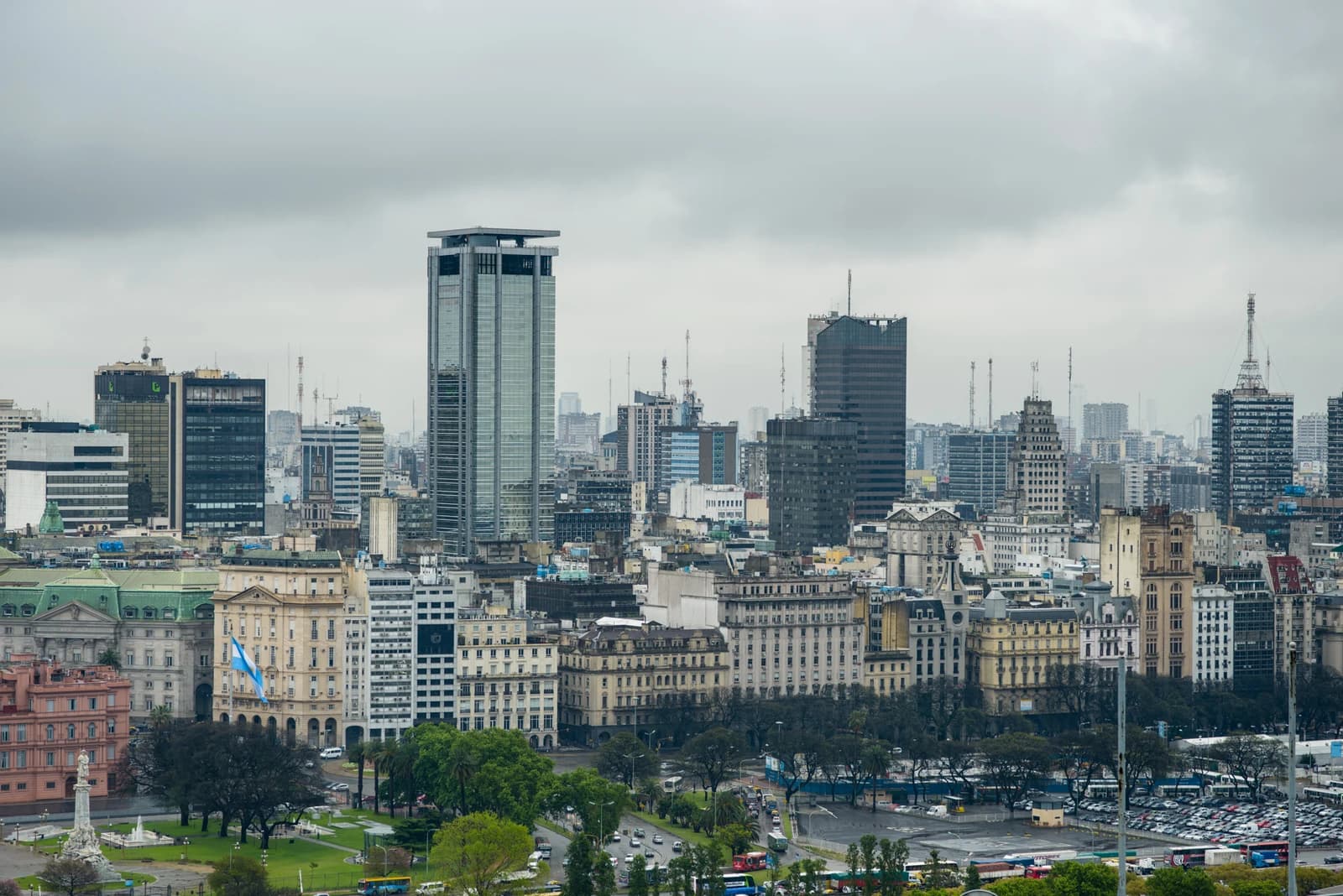
Argentina’s biggest economic problem is not a lack of savings, but the failure to channel them into productive investment, a gap that keeps growth fragile even as markets start to price in a better macro backdrop.
That was the message from Claudio Zuchovicki in an El Cronista stream, and it goes straight to the heart of Argentina’s investment case. An economy can only sustain higher output, lower inflation and better jobs if household and corporate capital stops sitting idle and begins funding factories, infrastructure, energy, logistics and credit creation.
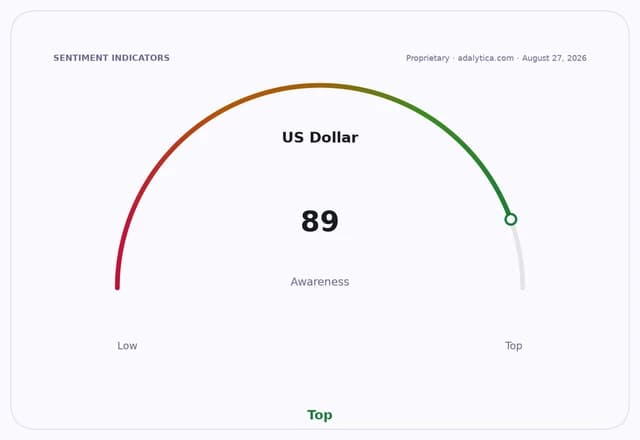
The latest data show why that matters. Argentina’s GDP has climbed to 32,486.1 in April 2026 from 31,422.5 in October 2025, with growth forecast to continue into July. At the same time, the labor market remains relatively stable, with unemployment at 4.1% in July, but the economy is still operating in a way that looks more like stabilization than a full investment-led expansion. Private savings exist, but the transmission into productive capital remains weak.
That missing link is the difference between a cyclical rebound and a secular re-rating. If savings stay trapped in cash, hard currency or short-duration assets, growth remains dependent on confidence and policy consistency. If they move into productive assets, Argentina can widen its capital stock, lift productivity and improve the earnings power of banks, industrials, energy producers and infrastructure-linked businesses.
Investors are already starting to separate the winners from the laggards. The ARGT ETF has surged from 72.90 in October 2025 to 94.13 on Aug. 27, with its 50-day average above the 200-day average and RSI back above 50, a sign that capital is returning to Argentine risk even after a pullback from the recent high. That kind of move is exactly what a savings-to-investment shift can power: not just a macro story, but a broadening rally across financial assets tied to domestic credit, capex and consumption.
The more important point is that this is where the market underestimates Argentina’s upside. Reforms that improve confidence matter, but the next leg comes only when the country builds mechanisms that convert local wealth into investment vehicles, long-term financing and productive projects. That is the catalyst that can turn a normalization trade into something more durable.
For investors, the implication is clear: the best opportunities in Argentina are likely to sit in the infrastructure of capital formation itself — banks, asset managers, exchanges, energy, transport and domestically leveraged equities — rather than in pure macro beta alone. If savings begin to flow, the upside can be far larger than the headline GDP numbers suggest.
| Entity | Gains | Losses |
|---|---|---|
| Argentine banks | ▲Loan growth, fee income | ▼Idle deposits |
| Asset managers | ▲New inflows | ▼Cash hoarding |
| Domestic equities | ▲Re-rating potential | ▼Short-termism |
| Savers in pesos | ▲Better returns | ▼Negative real yield |