Argentina soybeans hit 3-year high
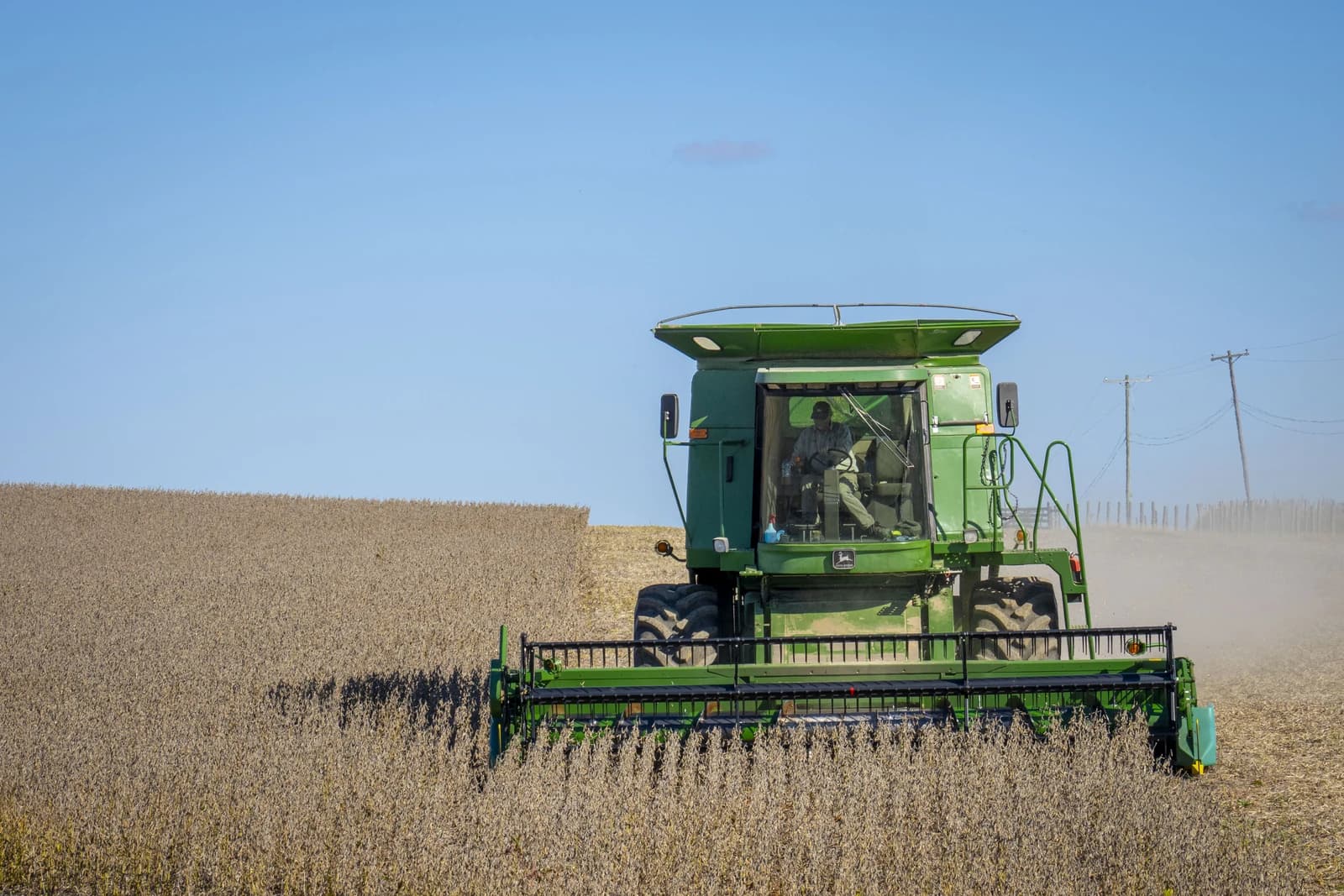
Soybean prices in Argentina have climbed to their highest level in three years, but the rally is arriving too late to materially change farm economics for most producers, who have already sold much of this year’s crop to meet debt, rent and input obligations.
The key issue is not the price spike itself, but who is in a position to benefit from it. Farmers in the Buenos Aires province grain belt say the jump to about 560,000 pesos a tonne has improved sentiment after years of drought losses, yet it is helping mainly larger growers and those still carrying grain in storage. For the majority, cash-flow pressure forces sales soon after harvest, leaving little exposure to the upside.
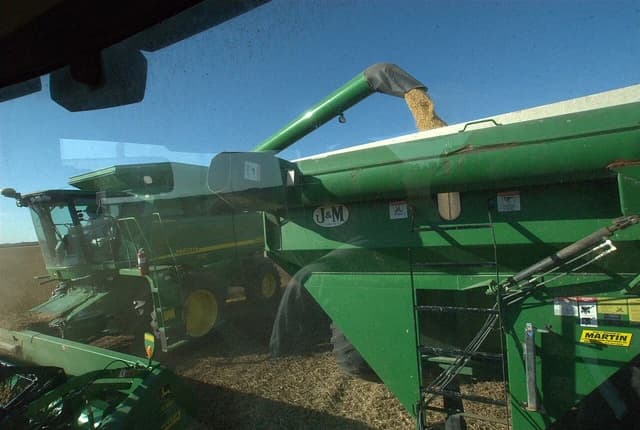
That dynamic matters for Argentina’s broader agricultural economy because higher commodity prices do not automatically translate into higher producer income when inventories are already committed. Daniel Berdini, a farmer in northern Buenos Aires province, said much of the region has no stock left to capitalize on the move after repeated crop failures, including the severe 2018 drought and the 2021-22 campaign. In areas where harvests were weak, the rally is being watched from the sidelines rather than monetized.
The price move is also a reminder that global shocks can improve Argentina’s commodity markets without fixing local production stress. Berdini linked the rally to geopolitical tension and firmer oil prices, a familiar pattern in which conflict and energy spikes lift agricultural commodities. But he said input costs — fuel, fertilizer and other dollar-linked expenses — tend to rise just as fast, or faster, than grains, limiting the net gain for farmers.
That leaves the current planting season largely locked in. Berdini said the country is already “planned” for 2026-27, with winter crops in the ground and only limited room to switch acreage, though some corn hectares could shift into soybeans if price signals persist. Weather expectations may matter more than the current rally: producers are positioning for a potentially wetter season and deciding between soybeans, corn and later-planted alternatives based on rainfall prospects, not just pricing.
For investors, the message is that the soybean rally is supportive for sentiment but less powerful for farm income than headline prices suggest. In commodity terms, the beneficiaries are the few with stored beans and the government, which gains from stronger export values and tax receipts; the losers are smaller and mid-sized growers who have already sold and remain exposed to high costs. Publicly traded agribusiness names such as Bunge and ADM can still benefit from higher oilseed volumes and merchandising activity, while soybean-linked exposure like the Teucrium Soybean Fund has been supported by the price move, but the local Argentine producer base is not seeing a full pass-through.
The next catalyst is whether the rally extends long enough to alter forward planting decisions or whether it fades before it can improve farm margins. Until then, the story is less about a windfall for growers than about how quickly a stronger soybean market can be absorbed by a sector still operating under debt, weather and cost pressure.
| Entity | Gains | Losses |
|---|---|---|
| Large soybean holders | ▲Capture higher prices | ▼Face volatility risk |
| Small and mid-sized farmers | ▲Better morale | ▼Already sold crop |
| Government | ▲Higher export revenue | ▼Limited if rally fades |
| Bunge, ADM, soybean funds | ▲Better merchandising/price exposure | ▼Margin pressure if costs rise |