Argentina trade opening boosts ARGT and banks
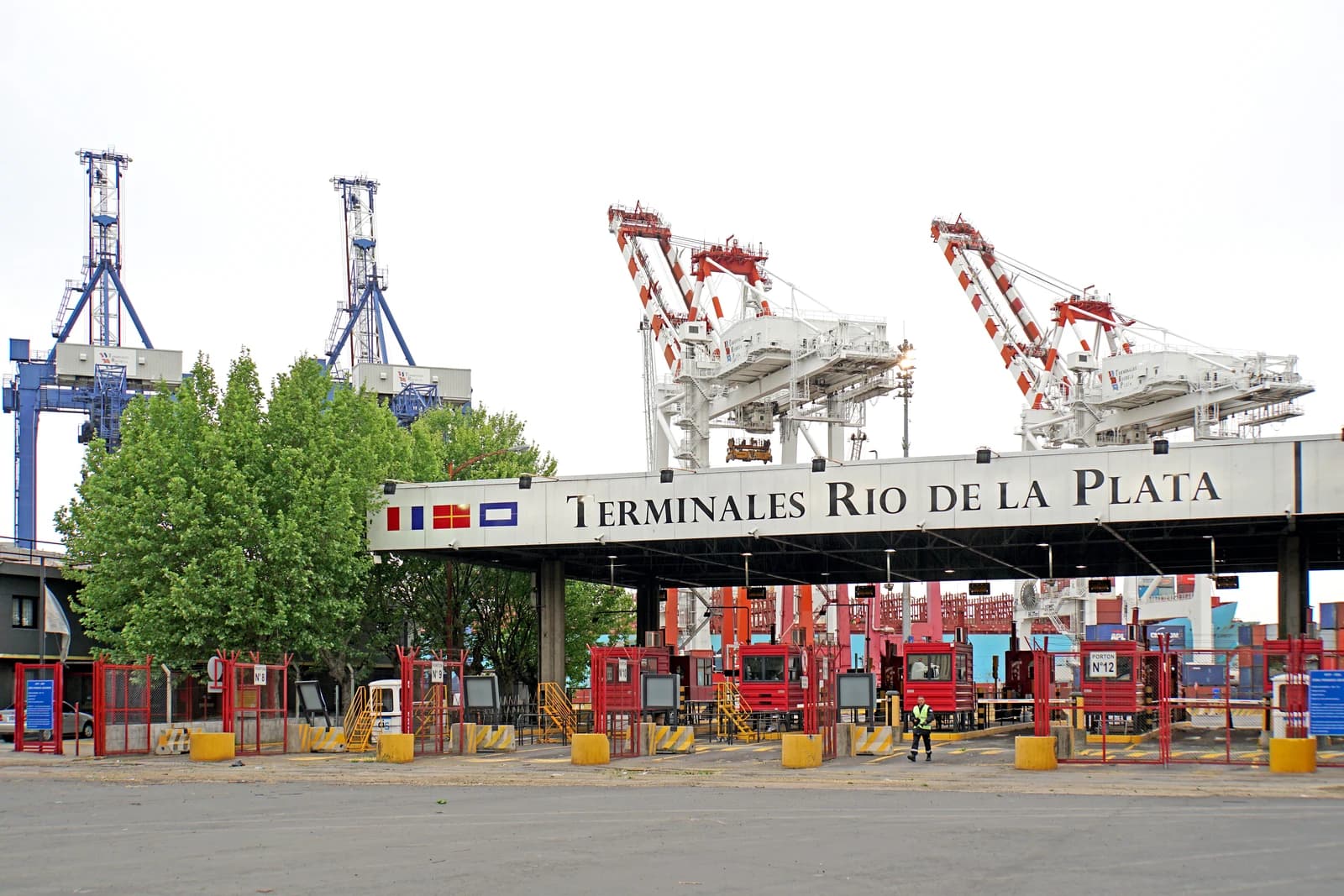
Argentina’s president is making foreign competition the centerpiece of his second act, betting that a deeper trade opening can lock in a fragile economic recovery before voters decide whether his chainsaw reforms deserve another term.
That matters because trade liberalization in Argentina is not a symbolic flourish — it is a direct challenge to a protectionist model that has long pushed up prices, protected inefficient domestic industries and drained purchasing power. By pressing ahead with a more open economy, Javier Milei is wagering that cheaper imports, stronger consumer choice and a cleaner investment climate will outweigh the pain for local producers and unions before the next election.
For investors, the message is bigger than one political campaign. Argentina is trying to reposition itself as a market where capital can finally flow into export winners, banks and domestically exposed sectors that benefit from lower inflation and a more credible policy regime. The country’s equity proxies have already been moving as if policy normalisation has a real chance of sticking: the Argentina ETF ARGT is up sharply from this year’s lows and finished the latest session at $95.40, well above both its 50-day and 200-day moving averages, while technical readings such as RSI and MACD show the rally has cooled but not broken.
That backdrop helps explain why financials remain the clearest lever on the story. Banco Macro and Grupo Financiero Galicia have both ridden the market’s expectation that disinflation, higher confidence and cleaner rules can eventually translate into better credit demand and stronger balance sheets, even if the path remains volatile. GGAL, however, has retreated to $43.86 from peaks above $50 in late 2025, underscoring how much of the easy optimism has already been priced in and how sensitive the trade remains to political credibility.
The broader narrative is straightforward: Milei is not just cutting spending, he is trying to force a rewiring of Argentina’s growth model. A country that has spent decades insulating its producers is now being asked to compete, and that shifts the investment case from short-term policy relief to a longer-duration thesis on productivity, capital formation and corporate winners that can survive an open market.
The risk, of course, is political. Opening the economy tends to create visible losers before it creates durable winners, and that makes this one of the most consequential tests of Milei’s mandate. If he can keep voters onside while pushing through more imports and fewer barriers, Argentina’s market rerating could extend well beyond the election. If not, the trade opening may prove another aborted reform cycle.
| Entity | Gains | Losses |
|---|---|---|
| Argentina consumers | ▲Lower prices | ▼Short-term job pain |
| Exporters and importers | ▲Better market access | ▼Tariff protection |
| ARGT holders | ▲Policy rerating upside | ▼Reform reversal risk |
| Domestic manufacturers | ▲— | ▼Foreign competition pressure |