Argentina wholesale prices rise on construction inputs
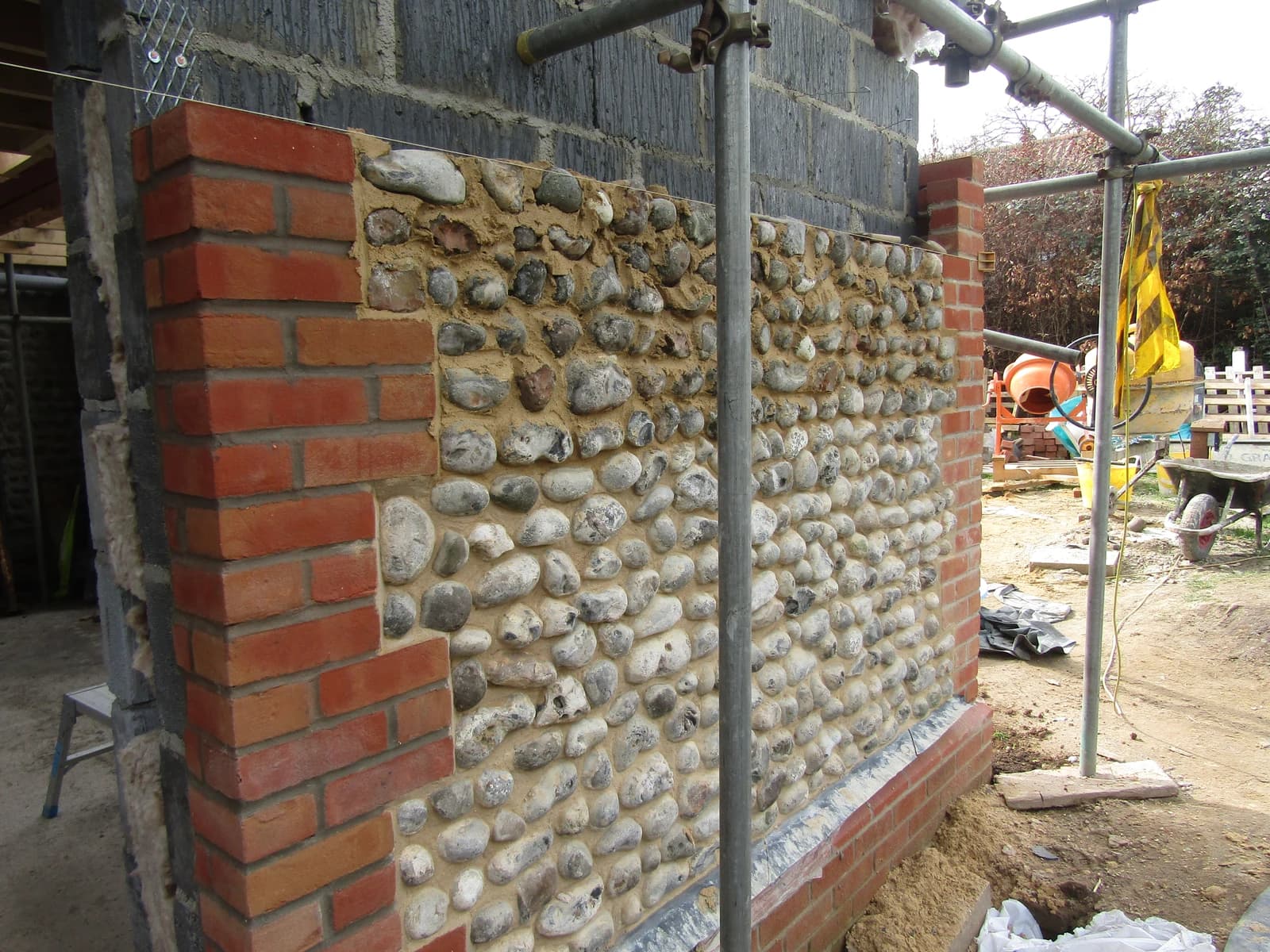
Wholesale prices rose again in August, with building materials among the clearest sources of upward pressure, reinforcing a cost backdrop that could keep construction and housing margins under strain even as broader inflation shows signs of easing.
The move matters because wholesale inflation tends to feed through the economy before consumer prices do. A 0.5% monthly increase in Argentina’s wholesale price index in August, reversing a 0.37% decline in July, suggests producers and builders are still facing higher input costs even if the overall inflation pulse is slowing. Year-on-year wholesale inflation reached 6.18%, while the construction-related basket advanced 0.41% in the month and 9.52% from a year earlier, a pace that remains well ahead of general price growth.
The inflation in construction inputs was driven by core materials: asphalt rose 27.13% year on year, reinforcing steel 12.60%, cement 7.42%, sand 8.74% and crushed stone 11.50%. On a monthly basis, sirtu, cement, reinforcing steel, crushed stone and screws all rose. That mix points to persistent pressure on infrastructure and residential building costs, particularly for projects with imported or dollar-linked components.
For investors, the implication is that the inflation story is not uniform. Food-price stabilization may help headline readings, but the wholesale and construction data show that cost pressures remain embedded in parts of the real economy that are highly sensitive to financing conditions and demand. In markets, that can support pricing power for materials suppliers while squeezing contractors, developers and public works budgets.
The data also matter beyond Argentina. Elevated producer costs often complicate policy easing, especially when currencies are volatile and input prices are tied to energy, transport and industrial commodities. If wholesale inflation stops falling, it can delay the point at which consumer inflation follows the same path, keeping interest rates higher for longer and limiting relief for rate-sensitive sectors.
In the near term, investors will be watching whether the August wholesale rise is a one-off rebound or the start of a more durable floor under input prices. For builders, the risk is margin compression. For materials producers, it is a more supportive pricing environment. For policymakers, it is another reminder that disinflation can stall even when headline data improve.
| Entity | Gains | Losses |
|---|---|---|
| Materials suppliers | ▲Higher pricing power | ▼None material |
| Builders and contractors | ▲None material | ▼Higher input costs |
| Homebuyers and developers | ▲None material | ▼Rising project costs |
| Policymakers | ▲Softer food inflation helps optics | ▼Sticky wholesale inflation complicates easing |