Russia Warns Armenia Over EU Integration Push
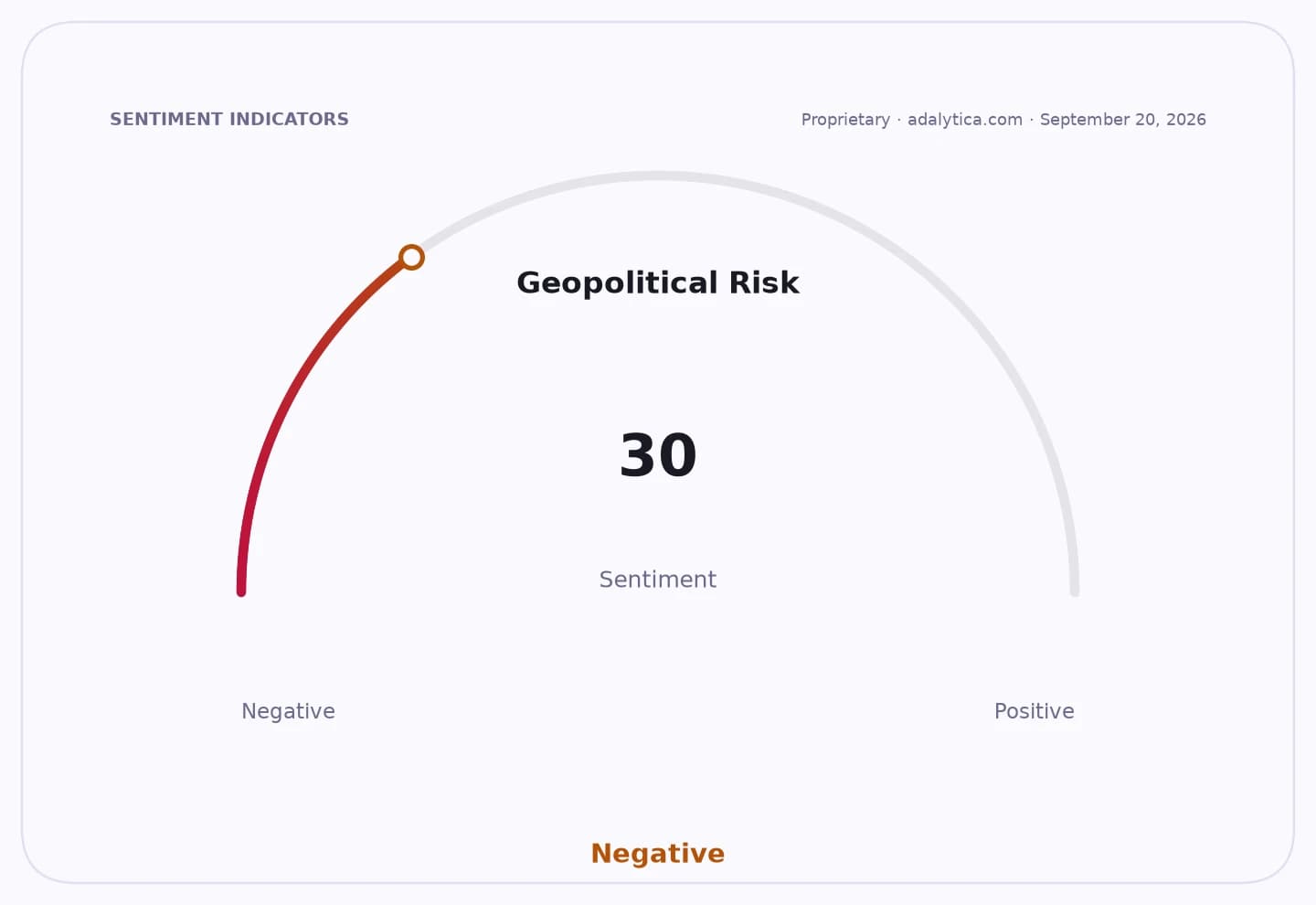
Russia is drawing a financial red line around Armenia’s push toward Europe, warning that it will not pay for any move away from Moscow’s orbit and that each step toward the European Union will have “objective consequences.”
That matters because Armenia’s EU ambitions are no longer just a diplomatic signal; they are becoming a costly strategic choice that could reshape trade, investment and security ties across the South Caucasus. For investors, the key issue is not whether Yerevan wants closer links with Brussels — it clearly does — but how much economic pain it can absorb if Russia responds by tightening the screws on remittances, commerce, energy or regional transport routes.
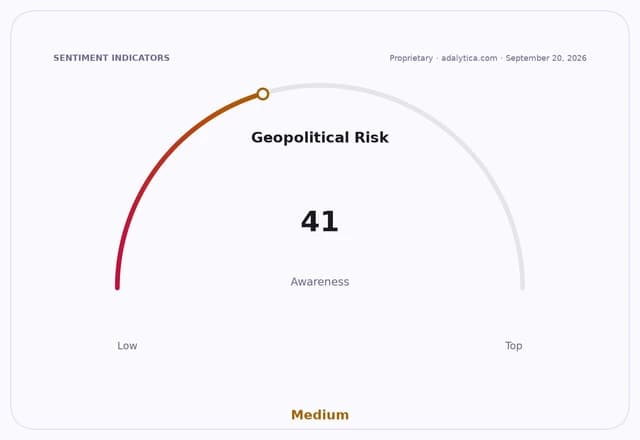
Sergei Shoigu, secretary of Russia’s Security Council, said Moscow “is not ready and will not allocate funds” to finance Armenia’s European integration. He also said President Vladimir Putin wants the Armenian authorities to decide on their foreign policy course and hold a referendum on whether to pursue EU membership or remain in the Eurasian Economic Union.
The message from Moscow is blunt: Armenia cannot straddle both camps forever. That raises the stakes for Prime Minister Nikol Pashinyan, who has said the country will not abandon its EU aspirations and has begun preparatory work for a membership bid in 2026. Brussels may be politically attractive, but EU accession is a long, expensive process that requires legal harmonization, regulatory upgrades and a painful reorientation of trade.
The economic downside is immediate. Armenia remains tied to Russia through labor migration, energy dependence and regional supply chains, even as it tries to broaden its options. Any deterioration in relations could hit exports, raise import costs and add pressure to an economy that has benefited from being a transit and services hub in a fractured neighborhood. The market is underestimating how much leverage Moscow still has over smaller post-Soviet economies when political loyalties shift.
For investors, this is less about a single headline than about a broader risk premium across the South Caucasus. Rising geopolitical friction tends to favor defense, energy security, logistics alternatives and companies exposed to Western alignment themes, while punishing assets linked to Russian trade corridors, regional banking flows and fragile frontier currencies. The more Armenia leans West, the more it becomes a test case for whether countries in Russia’s near abroad can reprice their geopolitical futures without suffering an economic shock.
That is why the next phase matters. If Yerevan pushes ahead, Moscow may not just withhold support — it may actively force a choice. If Armenia slows down, Europe’s enlargement narrative takes a hit and Russia preserves influence in a region where every corridor, customs regime and energy route is strategic. Either way, the real investment lesson is that the South Caucasus is moving deeper into a high-volatility regime, and the winners will be the firms and funds positioned for rerouted trade, higher defense spending and a more fragmented Eurasian map.
| Entity | Gains | Losses |
|---|---|---|
| Russia | ▲Preserves leverage | ▼Pays no EU transition costs |
| Armenia’s pro-EU camp | ▲Political momentum | ▼Economic certainty |
| Eurasian Economic Union | ▲Retained relevance | ▼Integration appeal |
| EU-aligned infrastructure/defense plays | ▲Higher demand narrative | ▼Russian-linked trade exposure |