Armenia EU Visa Liberalization Progress Review
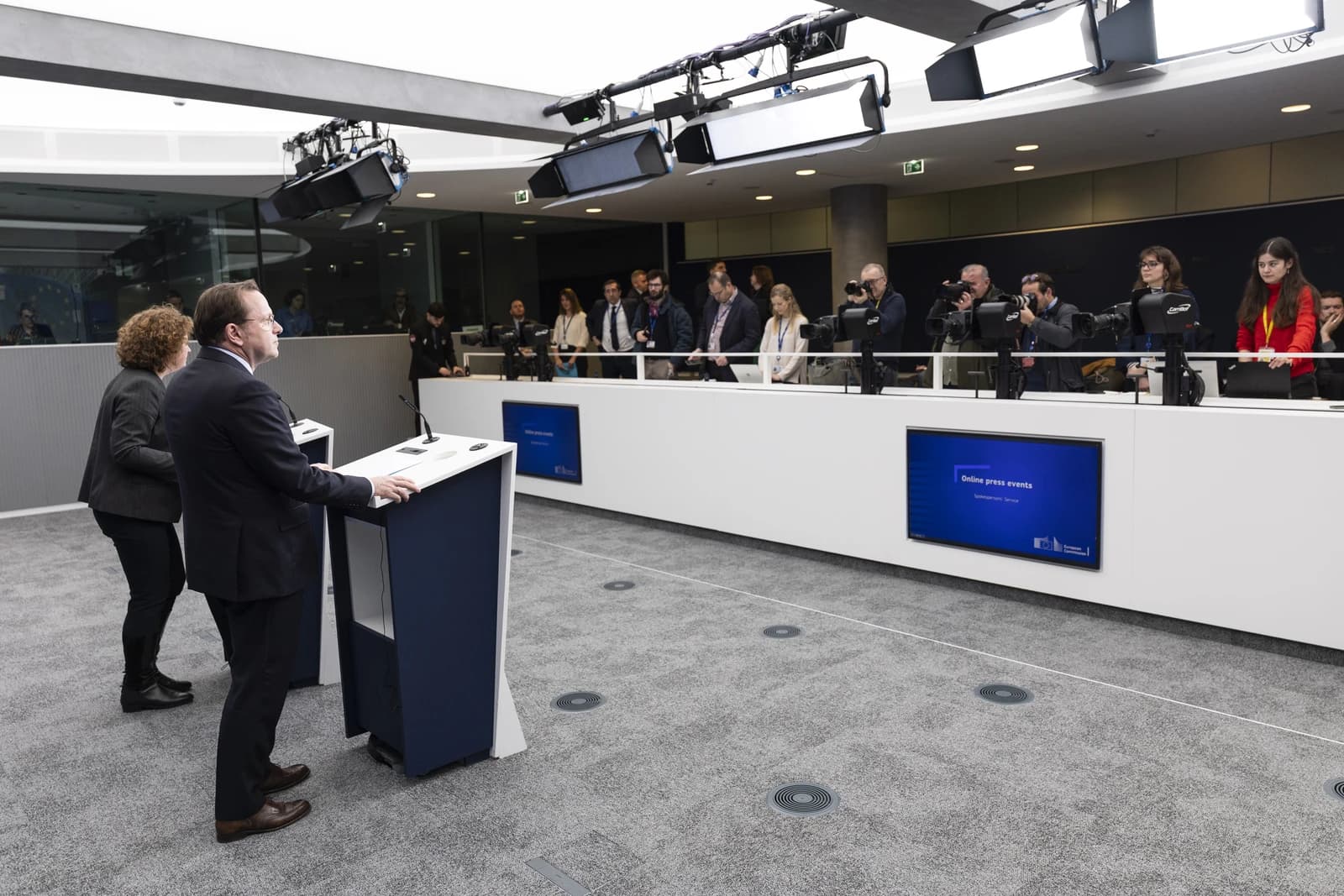
Armenia’s push toward visa liberalization with the European Union has moved into a more concrete phase, with Interior Minister Arpine Sargsyan saying Brussels has given the country an “unprecedented” positive assessment of its progress and that the action plan will be fully completed by Nov. 1.
That matters because visa liberalization is one of the clearest, most visible tests of Armenia’s deepening ties with the EU. A positive progress review suggests the process is advancing on schedule, lowering the political risk that the bid stalls and raising the possibility that Armenian travelers could eventually gain easier access to Europe. For a country balancing security pressure, economic reform and a more Western-facing foreign policy, that is not just symbolic: it can affect mobility, business links, education flows and the broader investment narrative.
Sargsyan said Armenia and the EU are now working through a defined action plan that includes repeated assessment missions, meaning Brussels will keep checking whether commitments are being met rather than treating the issue as a one-off diplomatic promise. She said the first progress report from European partners was broadly favorable, with particular praise for work on biometric systems and border management.
Those two areas are the economic core of any visa-free regime. Biometric controls, trained personnel and upgraded physical and digital infrastructure are expensive, but they are also the institutional price of closer integration with the EU’s border and security standards. For Armenia, meeting those benchmarks can strengthen state capacity beyond travel rules, improving customs enforcement, migration control and the credibility of public administration.
The timeline now appears to be splitting into two parts. Sargsyan said the government’s near-term target is to finish the action plan by Nov. 1, while 2029 remains the political target for completing the broader package of measures required under the program. That gap underscores the difference between technical readiness and the EU’s final political decision. Even if Armenia hits its own deadlines, Brussels still has to determine whether the standards are met and whether to move ahead.
For investors, the significance is less about the immediate granting of visa-free travel than about what the process signals for policy continuity. Progress toward EU benchmarks can improve Armenia’s profile with foreign businesses, multilateral lenders and diaspora capital by suggesting that reforms are real and administratively anchored. It can also support sectors tied to mobility, including tourism, education and services, while making it easier for Armenian firms to interact with European counterparties.
The bear case is that positive language does not guarantee a fast outcome. EU visa liberalization processes are often slow, conditional and vulnerable to political hesitation in member states, especially when border management, migration controls or security issues are still being tested. The EU official cited by local media, Sargsyan said, did not promise a timetable, only that it was still too early to talk about one.
That leaves the next few months crucial. If Armenia delivers on biometric rollout and the rest of the action plan by Nov. 1, the story shifts from negotiation to decision-making in Brussels. If it slips, the process could lose momentum. For now, the market-relevant takeaway is that Armenia has moved closer to a major institutional upgrade with the EU, but the value of that progress will ultimately depend on whether the bloc turns technical praise into policy.
| Entity | Gains | Losses |
|---|---|---|
| Armenia government | ▲Reform credibility | ▼Pressure to deliver on deadlines |
| Armenian travelers | ▲Easier EU mobility | ▼Uncertainty until EU फैसला |
| EU institutions | ▲Leverage over standards | ▼Pushback if timeline stays vague |
| Skeptics of rapid integration | ▲Fewer immediate concessions | ▼Momentum toward closer ties |