Asia LNG Buildout Raises Gas Infrastructure Demand
Asia’s rush to build gas-fired power plants, pipelines and LNG import terminals is becoming the clearest sign that natural gas is moving from transition fuel to strategic infrastructure, and that shift is still being underpriced by the market.
The economic case is simple: electricity demand is rising fast, renewables remain intermittent, and governments want a fuel that can be deployed quickly without the pollution burden of coal. That combination is driving a wave of capex across the LNG value chain that looks set to last for years, not quarters. For investors, that means the winners are not just producers but the infrastructure owners, exporters, terminal operators, pipeline groups and equipment suppliers that collect fees while the rest of the system does the heavy lifting.
Asia is the center of gravity. Global Energy Monitor data shows the region already has about 950,000 megawatts of operating gas-fired power capacity, well ahead of Europe and the Americas, with another 140,000 megawatts under construction — more than three times any other region. China is leading new build activity, while India is also adding major pipeline capacity. Asia also accounts for more than 66% of existing global LNG import capacity and nearly 70% of capacity under construction, a powerful sign that the continent is locking in long-term gas dependence.
That matters because LNG is no longer just a commodity trade; it is becoming the backbone of power security across the world’s fastest-growing economies. Japan already has the world’s largest LNG import system, while China is expanding its own network by roughly 97 million metric tons a year of import capacity under construction. In parallel, Asia has nearly 56,000 kilometers of gas pipelines under construction, the largest expansion program on the planet. The market is building the same playbook across electricity, industry and urban demand: import gas, move it efficiently, and burn it when solar and wind cannot carry the grid.
The result is a structural tailwind for the LNG ecosystem. The obvious beneficiaries are Cheniere Energy, which sits at the heart of U.S. LNG exports, and pipeline operators such as Williams Companies and Kinder Morgan, which stand to benefit from higher throughput and continued network buildout. Midstream and engineering firms also get an extended runway as governments and utilities sign long-dated contracts to secure supply and build the plants, terminals and links needed to keep fuel flowing.
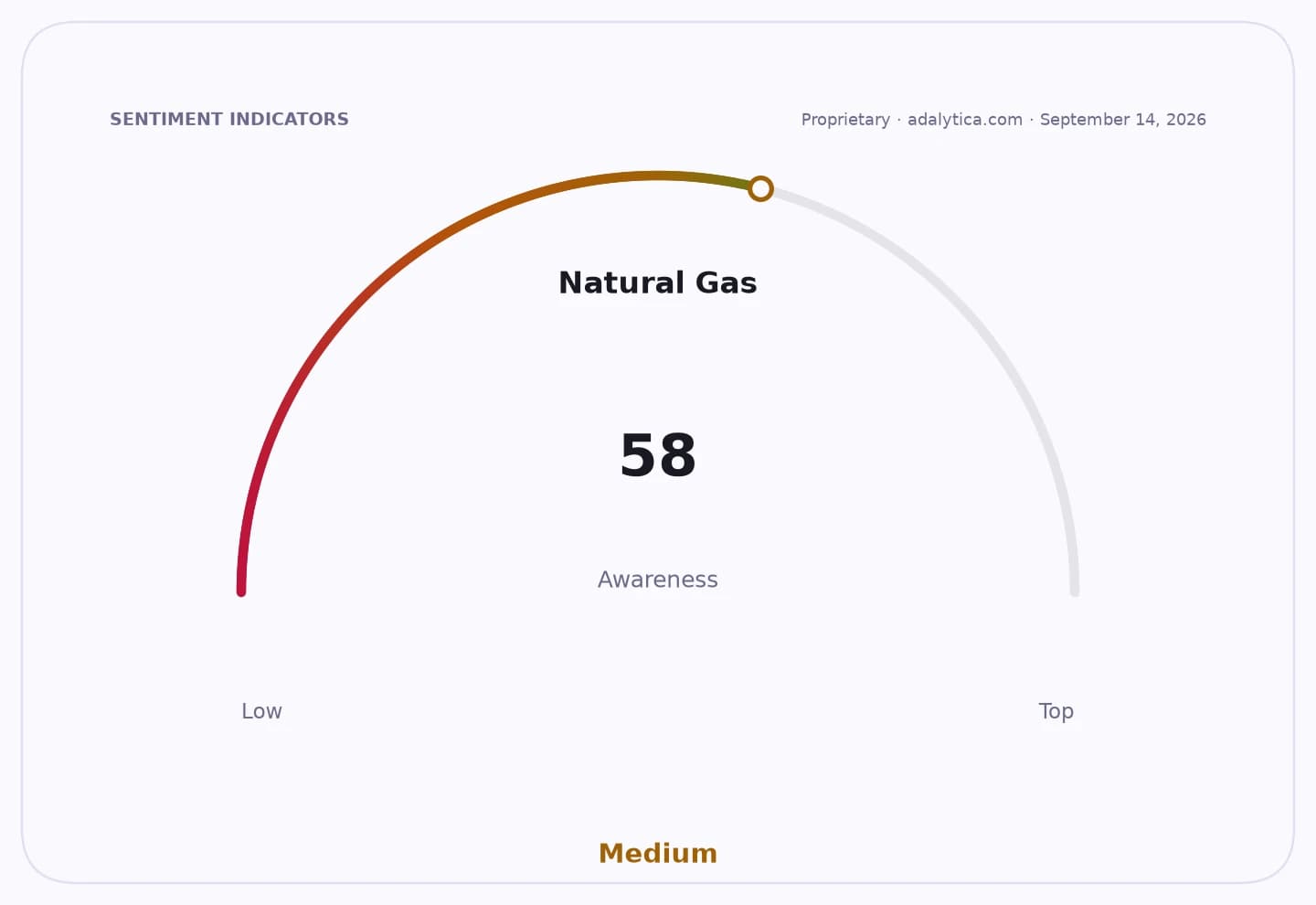
This is also where valuation can disconnect from fundamentals. The market has often treated LNG as a cyclical trade tied to spot prices, but the bigger opportunity is in the toll roads of the energy transition — the assets that get paid whether gas prices are high or merely stable. Adalytica’s Natural Gas Market Trade Signals are still only neutral, which suggests the crowd has not fully chased this theme yet, even as the capital spending cycle is clearly accelerating.
The geopolitical backdrop only strengthens the thesis. Europe is still scrambling for LNG after cutting its dependence on Russian gas, and supply shocks in the Middle East have kept a risk premium in global prices. That keeps optionality valuable for exporters and makes long-term offtake contracts more attractive to buyers seeking reliability over price perfection.
There are signs the next phase of this boom is already being priced into the industry. Cheniere has been citing tightening global gas and LNG supply conditions in its filings, while new contracts, technology upgrades and project awards continue to pile up across the sector. Papua New Guinea’s Papua LNG project is moving closer to a final investment decision, underscoring how even frontier producers are racing to lock in market share before demand outruns available supply.
My view is straightforward: the market underestimates how durable this LNG buildout will be. Asia’s power demand, Europe’s energy insecurity and the world’s need for flexible backup generation are converging into a multi-year capex cycle that should support exporters, midstream operators and LNG infrastructure builders. For investors, the action is to own the picks-and-shovels now, before the next wave of contracts and final investment decisions pushes the sector even higher.
| Entity | Gains | Losses |
|---|---|---|
| LNG exporters | ▲Higher long-term demand | ▼Spot-price volatility |
| Pipeline and terminal operators | ▲Fee-based volume growth | ▼Capital intensity |
| Asian utilities and governments | ▲Energy security | ▼Higher import bills |
| Coal and oil generators | ▲— | ▼Structural demand share |