Asia Stocks Rise, China Markets Lag
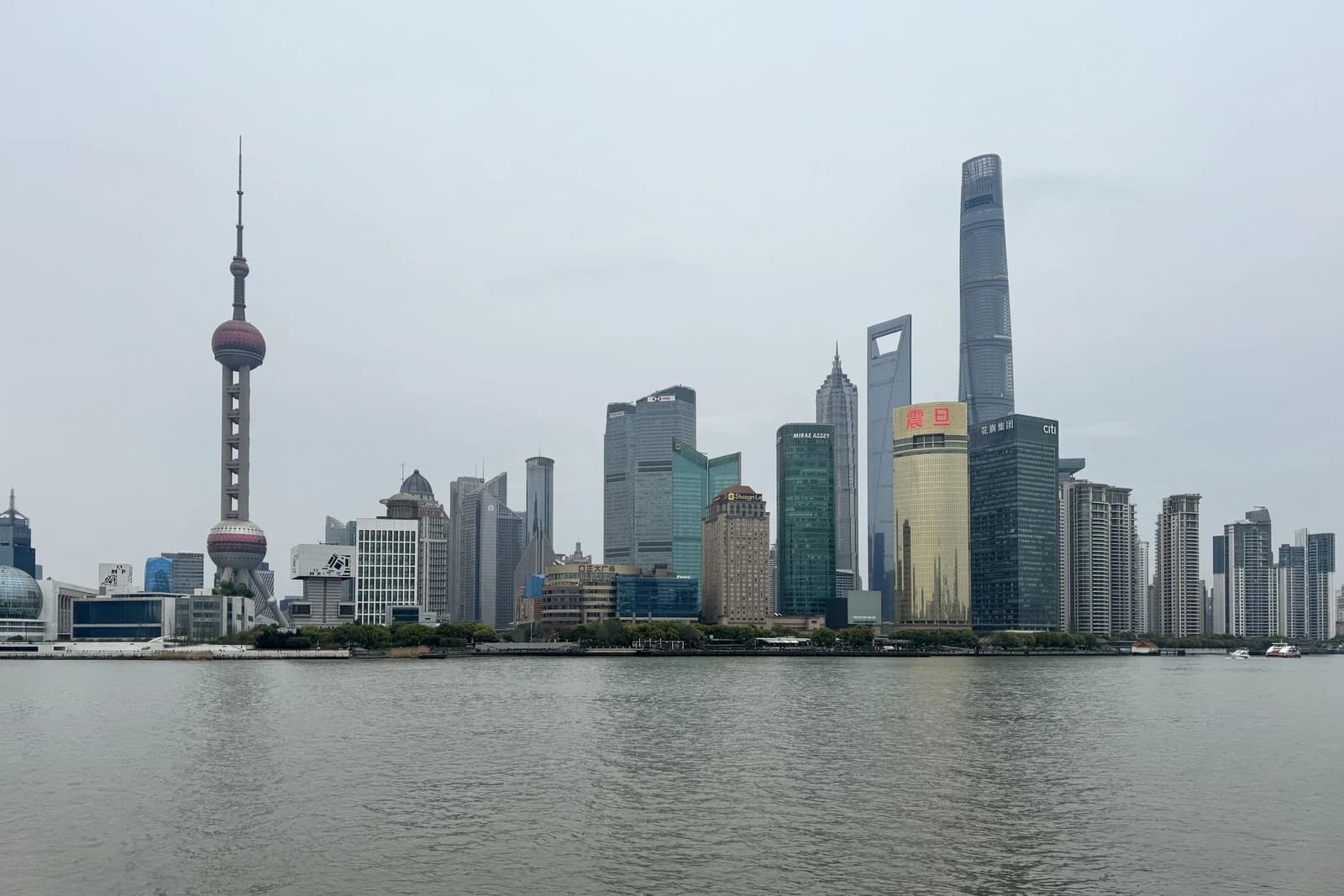
Japanese, Australian and South Korean shares are edging higher, while Hong Kong and Shanghai are in the red, underscoring how investors are still rewarding markets tied to healthier corporate earnings and steadier policy settings while punishing those more exposed to China’s weak growth story.
That split matters because Asia is not moving as one trade. For long-term investors, it is a reminder that the region’s markets are being pulled by very different fundamentals: Japan continues to benefit from better shareholder returns and a more constructive domestic market backdrop, Australia has support from resource and financial heavyweights, and South Korea remains tied to the global technology cycle. By contrast, mainland China and Hong Kong are still dealing with a confidence problem that has not gone away.

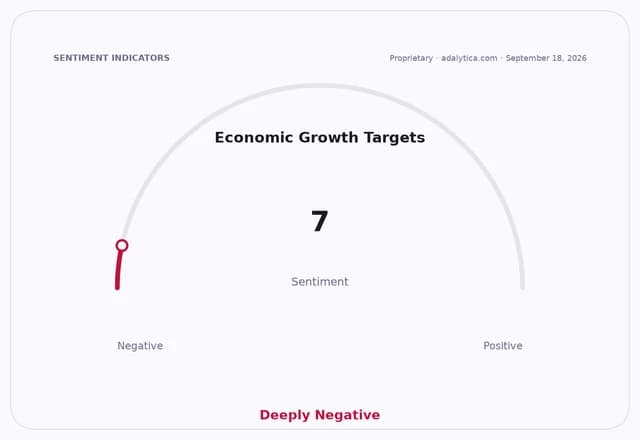
The China piece is the real economic weight in this tape. Adalytica’s China growth-target sentiment gauge sits at 7, in “Extreme Fear,” after a sharp one-day drop and a much steeper seven-day slide. That does not tell you everything about the economy, but it does show how fragile expectations remain around the world’s second-largest economy. When investors doubt China’s ability to deliver reliable growth, they tend to back away from Hong Kong-listed stocks, commodity demand stories and the regional sectors most dependent on Chinese spending.
That helps explain why the better tone elsewhere in Asia deserves attention. The iShares MSCI Japan ETF, EWJ, has climbed to about $97, trading above both its 50-day and 200-day moving averages, a sign that the broader trend in Japanese equities remains intact despite day-to-day volatility. The iShares MSCI Australia ETF, EWA, has also held up above its long-term trend line, while the iShares MSCI South Korea ETF, EWY, remains well above its 200-day moving average after a powerful run this year. For investors, those are the kinds of charts that matter because they reflect sustained capital flows, not just a single session’s noise.
South Korea is especially important because it offers a direct read on the global semiconductor cycle. When Korean stocks are firm, it often says investors are comfortable with demand for chips, electronics and export-heavy industrials. Japan’s strength is more broad-based, and that is useful for long-term portfolios because it suggests the market is still seeing something real beneath the surface: improving governance, better capital discipline and a more investor-friendly corporate culture.
The weaker performance in Hong Kong and Shanghai is harder to dismiss as a routine pause. These markets sit closest to China’s property hangover, uneven consumer demand and the policy uncertainty that has shadowed growth for much of the past year. If investors are demanding a larger risk discount there, that can keep valuations depressed even when pockets of the economy stabilize. In practical terms, that makes it harder for a simple “buy the dip” strategy to work in Chinese equities unless earnings and policy support improve together.
For investors, the lesson is not to chase the strongest market for a day, but to understand which themes can compound over years. Japan still looks like a market where corporate reform and shareholder returns can support a longer bull case. South Korea can benefit if the chip cycle keeps improving. Australia offers diversification and income characteristics that many portfolios need. Hong Kong and Shanghai, meanwhile, need a cleaner growth recovery before they can convincingly re-rate.
That is why this crosscurrents trade should stay on your watchlist. The best opportunities in Asia over the next few years may come from markets with improving fundamentals and credible earnings power, not from the ones simply bouncing on hopes of a quick China turnaround.
| Entity | Gains | Losses |
|---|---|---|
| Japan equities | ▲Better earnings visibility | ▼Less capital if China stabilizes |
| Australia equities | ▲Steady risk appetite | ▼Slower China-linked demand |
| South Korea equities | ▲Tech-cycle optimism | ▼Export weakness if chips soften |
| Hong Kong and Shanghai equities | ▲Policy support hopes | ▼Weak growth sentiment |