Asian Stocks Rise as Oil Falls and Yen Weakens

Asian stocks edged higher on Friday as a pullback in oil prices eased some of the inflation pressure hanging over global markets, while the yen stayed under strain ahead of a Bank of Japan decision that investors hope will offer a clearer path for Japan’s next rate moves.
That combination matters because markets are being pulled in two directions at once: cooling oil prices are a short-term relief for growth assets, but central banks from Tokyo to London and Washington are still leaning against inflation. For investors, the question is whether the latest bounce in equities is the start of calmer trading or just a pause in a market still dominated by policy risk.
Brent crude slipped 1% to $103.77 a barrel after hopes of alternate supply routes from the Middle East reached markets, even as conflict risks kept traders on edge. That modest decline helped sentiment across Asia, where MSCI’s broadest index of Asia-Pacific shares outside Japan rose 0.55%, Japan’s Nikkei added 0.9% and South Korea’s KOSPI climbed 2%.
The move in stocks came after a rough stretch for bonds and equities alike. The 10-year U.S. Treasury yield, which has been battering valuation-sensitive assets, eased to 4.93% after briefly pushing beyond 5%, its highest since 2007. Wall Street’s overnight rebound in beaten-down technology shares also gave Asian traders a reason to buy back risk.
For long-term investors, the bigger story is that the inflation fight is far from over. The Federal Reserve has already resumed rate increases and signaled more to come, the Bank of England has warned it may need to tighten again if the Middle East war drags on, and the European Central Bank has also kept the door open to further hikes. When yields rise this fast, the cost of capital rises with them, and that can pressure everything from growth stocks to corporate borrowing plans.
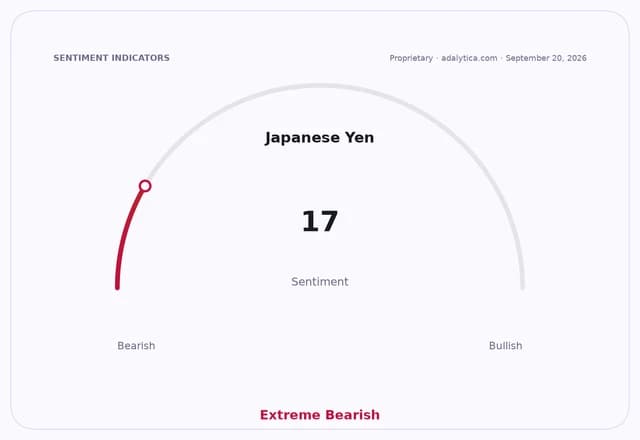
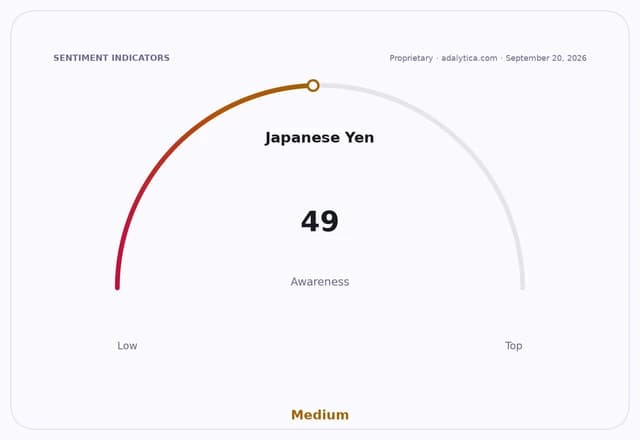
Japan is the immediate focal point. The yen slipped to 156.23 per dollar in early trading as traders positioned for a Bank of Japan announcement later in the day, with the central bank expected to lift rates to a 31-year high and promise more action to counter inflation risks. But the market appears skeptical that a hike alone will be enough to support the currency.
That skepticism is understandable. The yen had already rallied in September on hopes of faster BOJ tightening and signs that Japanese investors were repatriating money, but some of those gains faded this week as the U.S. Federal Reserve took a hawkish turn. In currency terms, the BOJ is still playing catch-up, and if Governor Kazuo Ueda does not convince investors that more hikes are coming, the yen could stay vulnerable.
For investors, that matters well beyond Japan. A weaker yen can support Japanese exporters, but it also keeps imported inflation elevated in the world’s third-largest economy and complicates the BOJ’s attempt to normalize policy without jolting markets. A stronger dollar and a fragile yen also add another layer of volatility to global portfolios already coping with higher yields and geopolitical risk.
Oil and currency moves are especially important for anyone thinking in years rather than days. Energy prices feed through to transport, manufacturing and consumer costs, while a sustained yen decline can reshape capital flows and earnings for multinational companies across Asia. In that environment, diversified investors are better served by focusing on businesses with pricing power, strong free cash flow and balance sheets that can withstand a higher-rate world.
The near-term takeaway is simple: markets are trying to breathe again, but they are not out of the woods. If oil keeps easing and the BOJ delivers a credible tightening path, risk appetite could improve further. If yields jump again or the yen keeps sliding, volatility is likely to return quickly. For now, the recovery in stocks looks real enough to watch, but not strong enough to chase blindly.
| Entity | Gains | Losses |
|---|---|---|
| Asian stocks | ▲Relief from lower oil | ▼Higher-rate volatility |
| Oil importers | ▲Lower input costs | ▼Less pricing power |
| Japanese exporters | ▲Competitive currency tailwind | ▼Stronger policy pressure |
| Japanese consumers | ▲Slight inflation relief | ▼Weaker yen imports cost more |