ASML’s latest forecast hike matters more than the stock’s daily move: the Dutch semiconductor-equipment leader is telling investors that the AI buildout is still strong enough to justify higher sales, fatter margins and more factory capacity.
ASML raises outlook as AI chip demand holds

The company said second-quarter sales hit a record and lifted its 2026 outlook for the second time this year, now expecting revenue of about €43 billion to €45 billion and gross margin of 54% to 56%. That is the kind of upgrade that changes a valuation story. For a company at the center of advanced chipmaking, higher revenue guidance and wider margins usually signal not just strong near-term demand, but a longer runway for cash flow and earnings power.
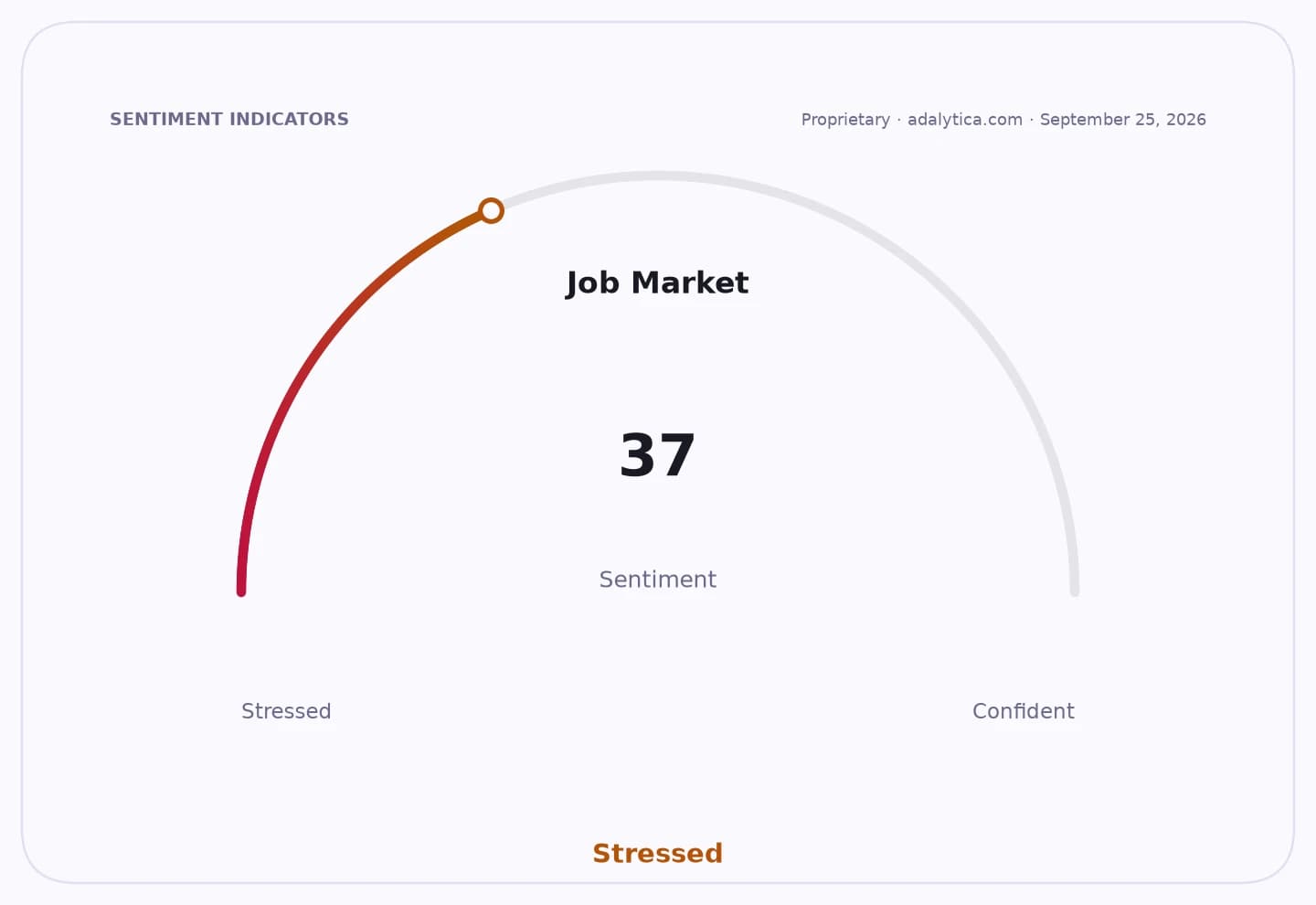
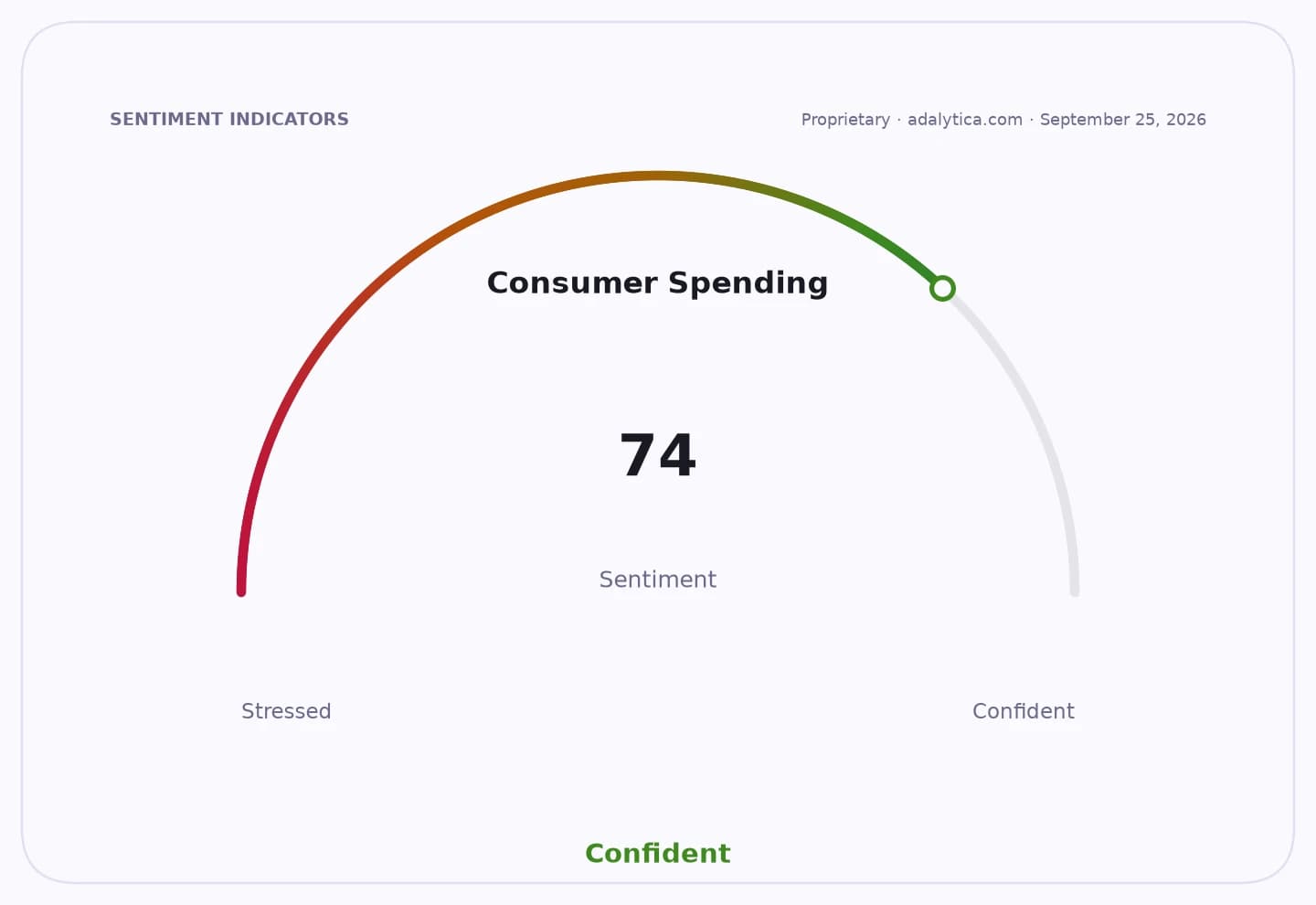
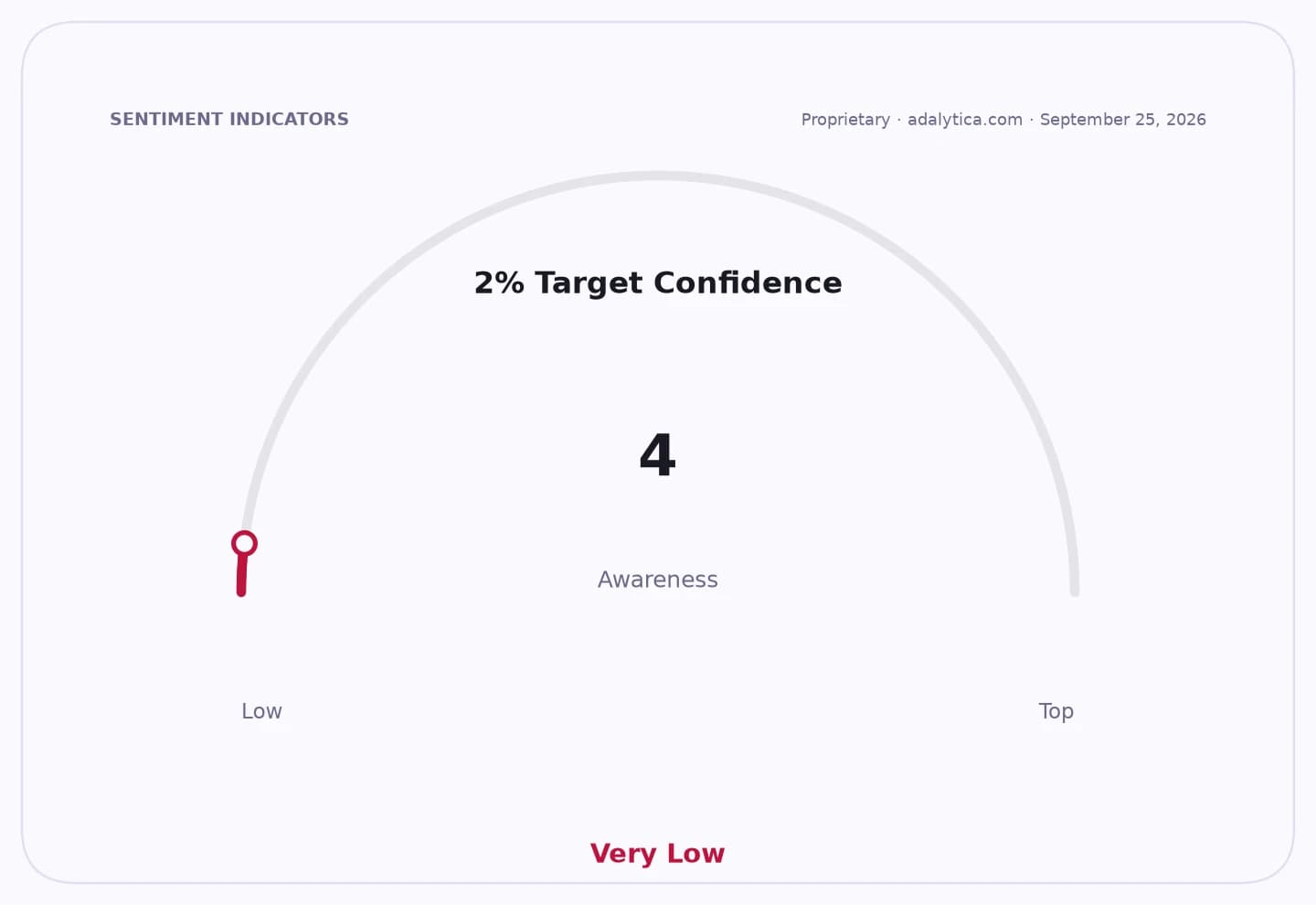
Sentiment IndicatorsⓘProprietary · adalytica.com · July 16, 2026
This is a snapshot — live sentiment, awareness and momentum for 130+ markets update continuously in the dashboard.Open AlphaPulse
Investors care because ASML is one of the clearest ways to play the AI arms race without betting on a single chip designer. Its lithography systems are indispensable for making the most advanced semiconductors, which means every new wave of spending by foundries such as Taiwan Semiconductor Manufacturing Co. and memory makers eventually flows through ASML’s order book. Reuters and Bloomberg-style market chatter often focuses on the share price reaction, but the bigger message is that the capex cycle is still expanding rather than peaking.
That helps explain why ASML can fall even after raising guidance again. Stocks tied to the AI boom have become expensive, and expectations are already high across the semiconductor chain. When that happens, even excellent news can trigger profit-taking. ASML’s recent technical setup reflected that tension too: the shares had surged well above the 200-day moving average before pulling back, while momentum readings such as RSI and MACD showed the kind of cooling that often follows a sharp run. The long-term trend, though, remains intact.
The economic backdrop reinforces the story. Stronger AI chip demand is not just a company-level theme; it is feeding into industrial output, supplier investment and even macro forecasts in Asia. TSMC’s June revenue jumped 67.9% from a year earlier, a reminder that foundry spending remains robust. South Korea has also lifted its 2026 growth outlook, citing the AI chip boom. In other words, ASML’s order strength is part of a broader capital-spending cycle that is still rippling through the global economy.
For investors, the key question is not whether ASML will remain volatile. It will. The question is whether the company’s moat, pricing power and central role in advanced chip production can keep compounding over the next five to 10 years. On that score, this update is encouraging. Management is expanding production into 2026, which suggests demand visibility remains strong enough to justify more capacity today for sales tomorrow.
The risks are familiar: cyclical chip spending, export restrictions, and the possibility that AI customers pause to digest previous rounds of investment. But the long-term case is still compelling. If you are building a durable semiconductor portfolio, ASML remains one of the most important names to watch, and this latest raise argues it deserves a place on the long-term radar.
| Entity | Gains | Losses |
|---|---|---|
| ASML | ▲Higher revenue and margin outlook | ▼Near-term valuation pressure |
| AI chipmakers | ▲More equipment supply | ▼Bigger capex bills |
| Long-term investors | ▲Stronger compounding case | ▼Short-term volatility |
| Shorts / profit-takers | ▲Opportunity on pullbacks | ▼Risk of missed upside |