ASML Revenue Outlook, AI Chip Demand, and Valuation
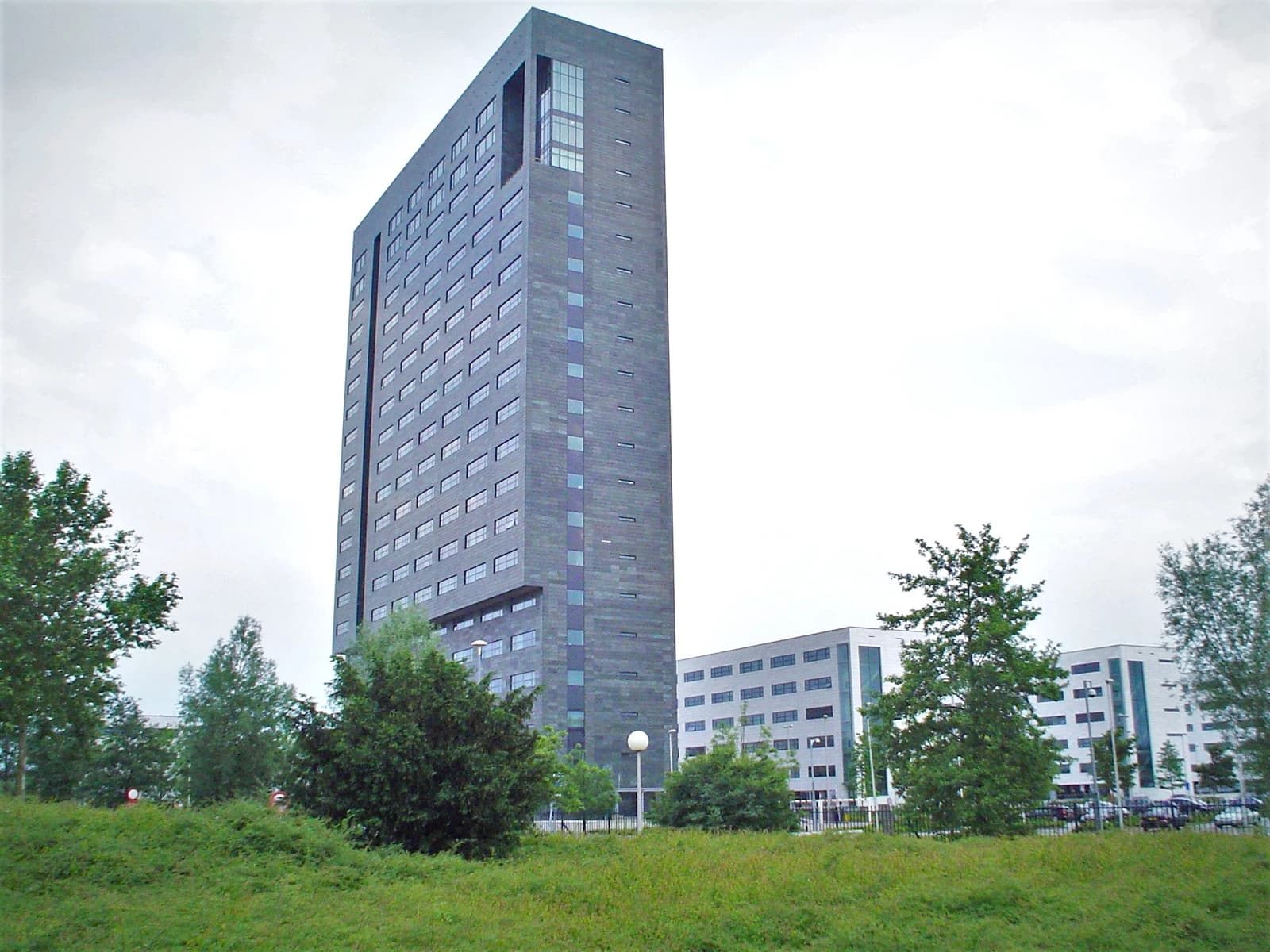
ASML’s rise to Europe’s most valuable company reflects a larger shift in semiconductor spending: the industry is no longer just chasing smaller transistors, but buying the tools needed to extract more performance from ever more complex chips. That makes the Dutch lithography group the clearest beneficiary of AI-driven capital expenditure, even as its shares have pulled back from recent highs and investors weigh cyclical and geopolitical risks.
The economic importance is hard to overstate. ASML is the only supplier of extreme ultraviolet, or EUV, lithography systems, the machines used to produce the most advanced chips. In a business where a wafer is built layer by layer, the company’s ability to project patterns at a 13.5-nanometer wavelength gives it a choke point on leading-edge manufacturing that rivals cannot quickly replicate.
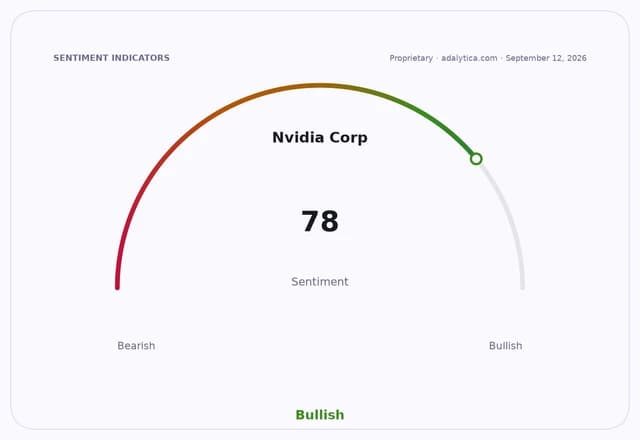
That dominance is turning into cash flow and valuation power. Revenue climbed from €14 billion in 2020 to €32.7 billion in 2025, with net profit of €9.6 billion. After a second-quarter beat, ASML now expects 2026 sales of €43 billion to €45 billion and gross margin of 54% to 56%, underscoring how AI-linked spending by foundries and chipmakers continues to support orders.
The company’s moat extends beyond the machines themselves. ASML spent €4.7 billion on research and development in 2025, and its installed base creates recurring revenue from maintenance, spare parts, software and upgrades long after an initial sale. That recurring profile helps explain why the stock has been able to command about 37 times expected 2026 earnings, even after a more than 60% gain this year.
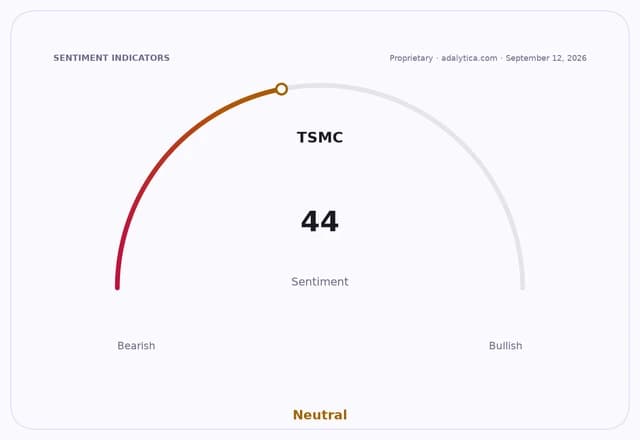
For investors, the key question is not whether ASML matters, but how much of that strategic importance is already priced in. Bullish cases rest on the idea that artificial intelligence will keep forcing TSMC, Samsung and Intel to spend aggressively on advanced logic, memory and packaging, while ASML broadens its reach into what it calls “More than Moore” technologies such as High-NA EUV, metrology and software. The bear case is that semiconductor capital spending remains cyclical, customer concentration can make order flows volatile, and export controls limit sales to China, particularly of DUV equipment.
The stock’s recent weakness suggests the market is no longer willing to pay up without evidence that the growth path is durable. ASML shares closed at 1,698.30 euros on Sept. 11, below their 50-day moving average of 1,738.09 euros, while the RSI reading of 41.2 points to cooling momentum after a strong run. Yet the longer-term trend remains intact: the 200-day average at 1,491.52 euros still sits well below the current price, indicating that the broader re-rating has not been reversed.
That leaves ASML at the center of a structural wager on computing demand. If AI and advanced chipmaking keep absorbing capital, the company should remain one of the most powerful businesses in global technology, with little need to predict which chip designer or foundry wins the next cycle. If investment slows, the premium valuation and customer concentration leave less room for disappointment.
| Entity | Gains | Losses |
|---|---|---|
| ASML | ▲pricing power, recurring revenue | ▼export limits, cycle risk |
| TSMC/Samsung/Intel | ▲access to leading-edge tools | ▼heavy capex burden |
| Chip investors | ▲exposure to AI infrastructure | ▼valuation risk if spending slows |
| China chipmakers | ▲less access to EUV/DUV tools | ▼technology gap widens |