ASML’s decision to deepen work with TSMC and Samsung on next-generation lithography gear points to a bigger industry shift: the most advanced chipmakers are already planning the production tools they will need in the next decade, even as they keep buying today’s expensive High-NA EUV machines.
ASML Deepens Work With TSMC and Samsung
The collaboration matters because it speaks directly to the economics of leading-edge semiconductor manufacturing. ASML’s High-NA EUV systems are far costlier than the previous generation, and customers have spent years weighing whether the productivity gains justify the price. By lining up timelines with Samsung and TSMC, ASML is reducing one of the biggest risks around its growth story: that chipmakers would hesitate to adopt the new platform fast enough to support a multi-year equipment cycle.
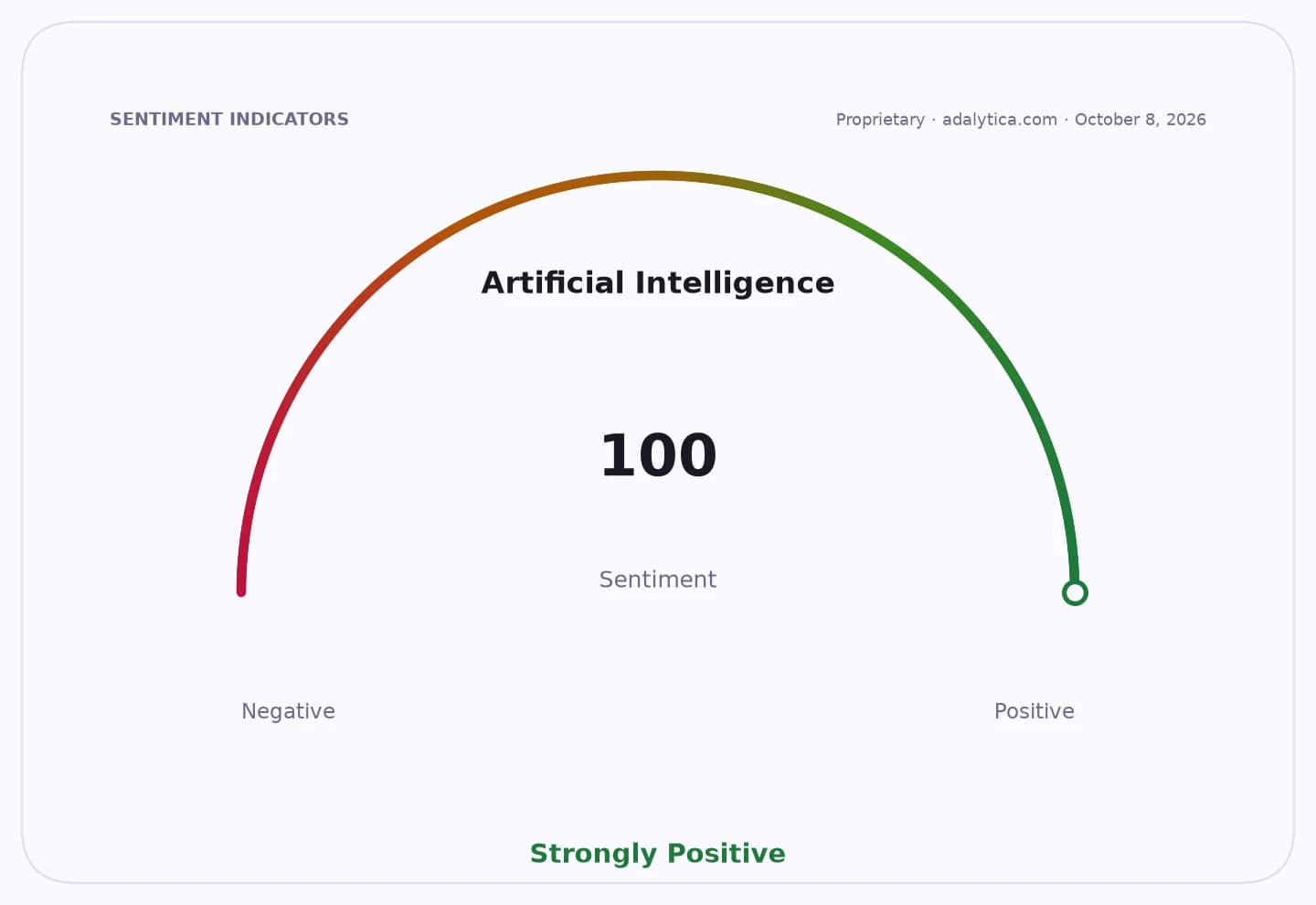
Sentiment IndicatorsⓘProprietary · adalytica.com · September 10, 2026
This is a snapshot — live sentiment, awareness and momentum for 130+ markets update continuously in the dashboard.Open AlphaPulse
Samsung said it plans to use the new technology in 2028 for mass production of DRAM memory chips, while TSMC intends to deploy High-NA EUV starting in 2030. Those commitments give ASML more visibility on demand for its most advanced tools and reinforce its position as the gatekeeper of the cutting edge in semiconductor manufacturing. Intel has already bought the machine, but the key issue for investors has been whether the industry’s two biggest foundry and memory buyers would follow.
The new work also goes beyond simply selling machines. ASML said it is exploring larger reticles with the two customers, with trials targeted for 2031 and eventual use two years later. In chipmaking, reticles act as the blueprint for printing circuit patterns onto wafers. Moving from six-inch to 12-inch reticles would aim to lift productivity and lower manufacturing costs, a meaningful advantage at a time when AI-driven demand is tightening supply across the chip stack.
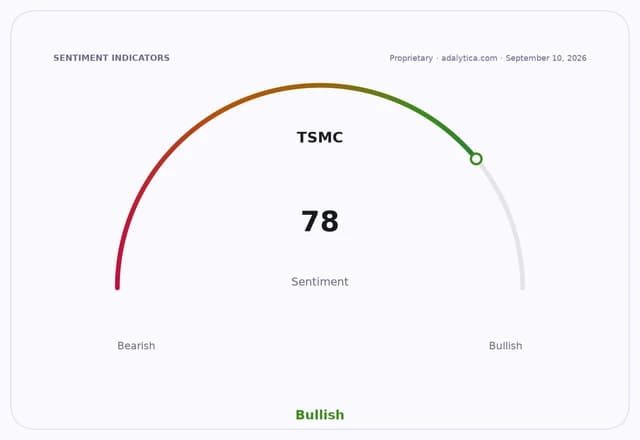
That is especially relevant for memory. ASML linked the effort to the rapid rise in AI applications, which has contributed to a global shortage of memory chips and higher prices. For Samsung, a large memory producer, better throughput and lower cost per chip could improve margins if supply remains tight. For TSMC, the payoff is more about defending its lead at the bleeding edge of logic manufacturing, where efficiency gains can help preserve pricing power even as capital intensity rises.
Investors are likely to read the announcement as constructive for ASML’s order book and for the broader equipment cycle. ASML shares have outperformed over the past year, but the stock still faces the usual debate between durable monopoly-like economics and the risk that customers delay spending when equipment becomes even more expensive. The commitments from Samsung and TSMC help on the former, because they suggest leading customers are still willing to invest through the next technology transition.
The bull case is straightforward: AI demand keeps forcing chipmakers to chase finer patterns, bigger wafers and higher productivity, and ASML remains the only company able to supply the core lithography tools that make that possible. The bear case is that the industry’s most ambitious platforms can still be slowed by cost, complexity and yield issues, pushing out revenue recognition and limiting near-term returns on ASML’s research spending.
For now, the message is that the semiconductor industry is not pausing at High-NA EUV. It is already mapping the next step, and ASML’s ties with Samsung and TSMC suggest the company intends to shape that transition rather than wait for it.
| Entity | Gains | Losses |
|---|---|---|
| ASML | ▲Stronger order visibility | ▼Technology execution risk |
| TSMC | ▲Future productivity gains | ▼Higher capex burden |
| Samsung | ▲Better DRAM economics | ▼Adoption and yield risk |
| Rival equipment makers | ▲None | ▼Share of advanced tool demand |