AstraZeneca and Bristol Myers Squibb in deal talks
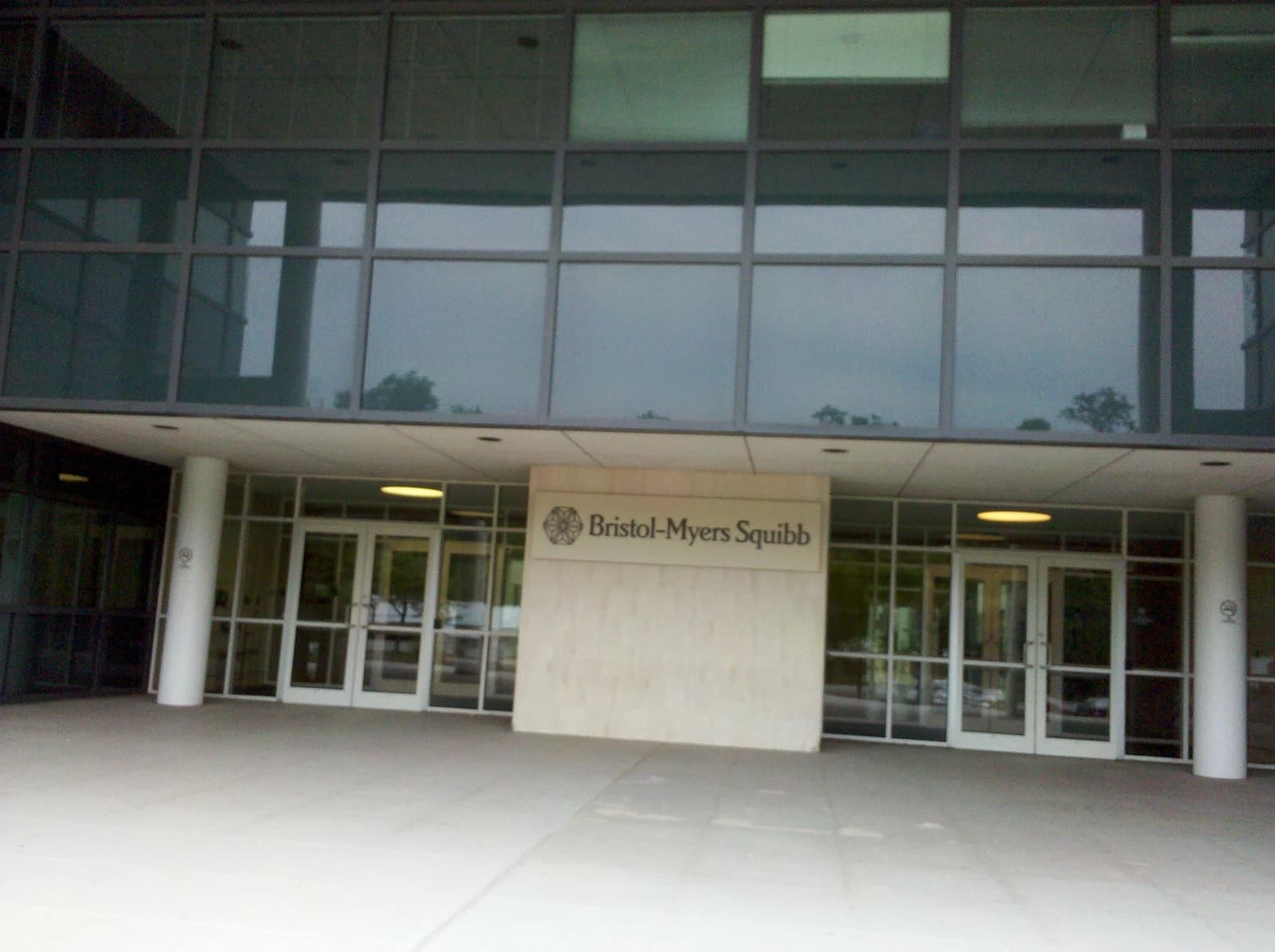
AstraZeneca is in talks with Bristol Myers Squibb on a potential mega-deal, the Financial Times reported, a move that could reshape the drugmakers’ competitive positioning and jolt a sector already under pressure to find growth beyond aging blockbusters.
The discussions matter because a transaction between two of the world’s largest pharma groups would be about scale, pipeline depth and cash flow at a time when big drugmakers are hunting for assets that can offset patent cliffs and slower growth in mature franchises. In practical terms, any deal would also test regulators’ appetite for further consolidation in an industry that has already seen elevated merger activity.
Bristol Myers Squibb shares closed at $65.31 on July 31, after a sharp run that has lifted the stock nearly 44% from $45.26 at the start of October, while AstraZeneca ended the same session at $169.64. BMS has also traded above both its 50-day and 200-day moving averages, and its relative strength index was 72.5, suggesting the stock has been heavily bid ahead of the report.
For investors, the immediate question is whether the talks translate into a deal premium, a break-up of parts of either company, or just another sign that large-cap pharma is under pressure to use M&A to defend earnings. AstraZeneca has been one of the sector’s strongest names, while Bristol Myers has been working through post-acquisition integration and the loss of exclusivity on major drugs, making a combination or asset swap potentially attractive if it improves long-term growth.
The broader backdrop also helps explain why the FT report landed with force. Healthcare sentiment tracked by Adalytica shows a neutral reading, but market appetite for risk remains strong, with the S&P 500 gauge in “Extreme Greed,” which can amplify reactions to takeover speculation across the sector.
The next catalyst is whether either company confirms the talks or whether the report triggers rival interest, antitrust scrutiny or a stock response in other large pharma names, including Pfizer and Merck.
| Entity | Gains | Losses |
|---|---|---|
| AstraZeneca | ▲Pipeline scale | ▼Deal uncertainty |
| Bristol Myers Squibb | ▲Takeover premium | ▼Strategic control |
| Shareholders | ▲Potential upside | ▼Break-up risk |
| Rival drugmakers | ▲M&A repricing | ▼Relative valuation pressure |