A UK health study saying a double dose of AstraZeneca offers no protection against symptomatic Omicron infection is the kind of result investors cannot ignore, because it reinforces a hard truth about the pandemic-era vaccine business: demand shifts fast when a virus evolves faster than a company’s product.
AstraZeneca shares fall below key moving averages

For AstraZeneca, the economics are straightforward. COVID vaccines were always likely to become a fading revenue stream as immunity, boosters and variant-specific formulations changed the market. A finding that the original two-dose regimen does not stop symptomatic Omicron infection helps explain why investors have been willing to treat the vaccine franchise as transient rather than core to AstraZeneca’s long-term earnings power.
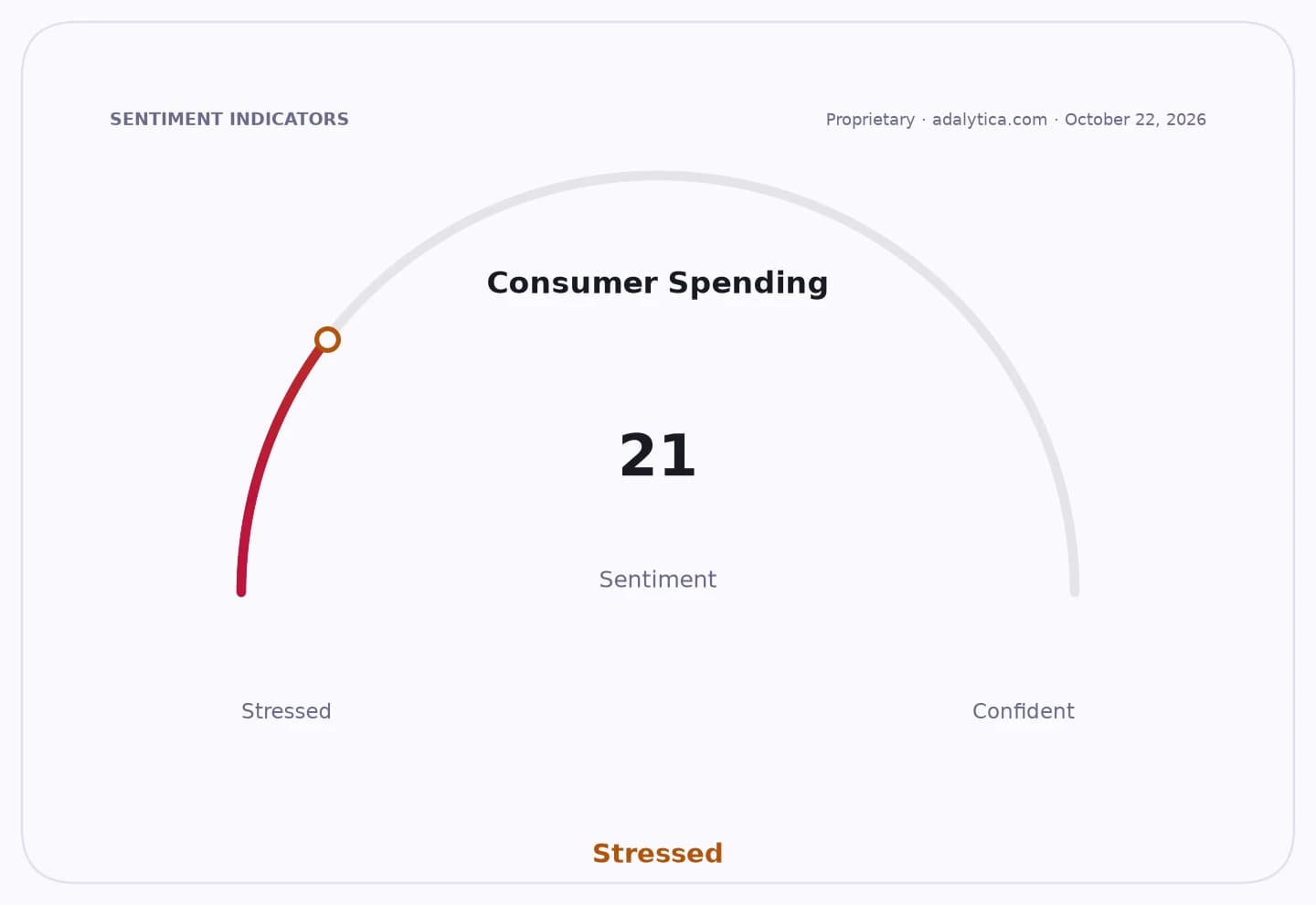
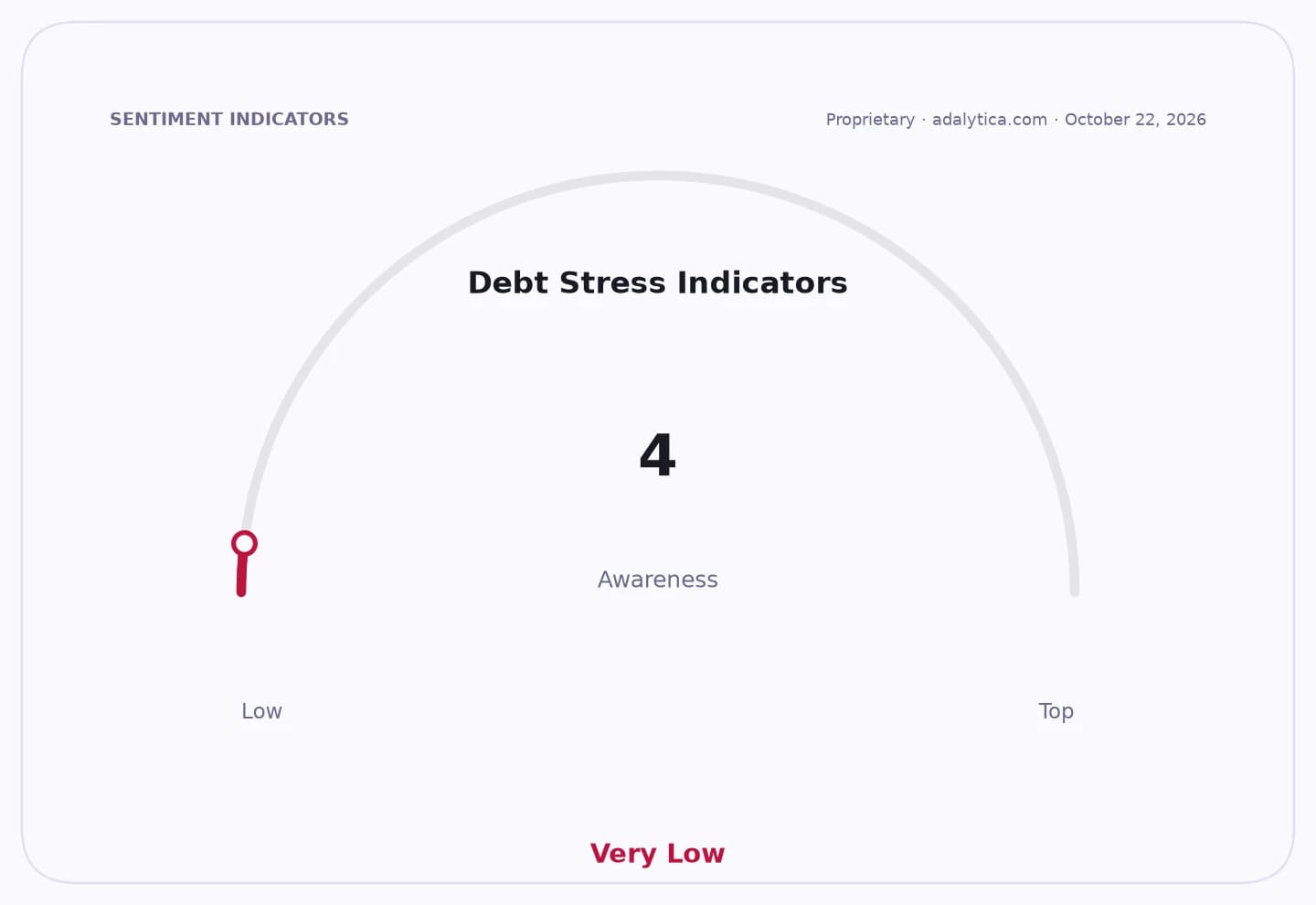
Sentiment IndicatorsⓘProprietary · adalytica.com · August 15, 2026
This is a snapshot — live sentiment, awareness and momentum for 130+ markets update continuously in the dashboard.Open AlphaPulse
That matters well beyond one product line. AstraZeneca is now valued on a broader story built around oncology, rare diseases, cardiometabolic drugs and immunology — areas with more durable pricing power and better compounding potential than a pandemic vaccine. The company’s share price, at 156.45 recently, has fallen well below its 50-day moving average of 174.63 and its 200-day average of 183.56, a sign that the market is still repricing expectations after a volatile run.
The message for investors is not that AstraZeneca has lost its long-term appeal. It is that the next five years will be driven by pipeline execution, not COVID headlines. That is usually how great healthcare businesses are built: the pandemic windfall fades, and the real investment case shifts to cancer drugs, respiratory treatments and new launches that can generate free cash flow long after the public-health emergency has passed.
There is also a broader industry lesson here. Vaccine makers cannot rely on one strain or one season to carry the business. Moderna has shown more dramatic share-price swings, while Pfizer has had to navigate a post-COVID reset of its own. The winners over time will be the companies that keep reinventing their portfolios as the virus, and the market, move on.
Technical indicators suggest AstraZeneca shares are under pressure in the near term, with RSI readings in oversold territory and the price trading below both major moving averages. But for long-term investors, that kind of weakness can be less a warning than a reminder to focus on the durable moat: a diversified drug pipeline, global scale and recurring demand for treatments that patients need regardless of the latest variant.
If you are thinking in years rather than weeks, this headline is more about the end of an era than the start of a broken thesis. AstraZeneca’s COVID vaccine story looks increasingly like a bridge to its next chapter, not the engine of it — and that is why investors should keep watching the core business, not the pandemic noise.
| Entity | Gains | Losses |
|---|---|---|
| AstraZeneca’s non-COVID drug pipeline | ▲Longer-term focus | ▼COVID vaccine hype |
| Investors in durable healthcare growth | ▲Clearer thesis | ▼Pandemic-era revenue hopes |
| Rival vaccine makers | ▲Shift to newer products | ▼Older-dose protection claims |
| Short-term traders | ▲Volatility opportunities | ▼Buy-and-hold certainty |