ASUS ProArt AI PCs use NVIDIA RTX Spark
ASUS is using IFA 2026 to push deeper into the AI PC market with ProArt systems built around NVIDIA’s RTX Spark platform, a sign that the next phase of the chipmaker’s growth is increasingly tied to creative workflows as well as data centers and gaming.
That matters because the PC market is looking for a durable upgrade cycle after years of uneven demand, and AI-enabled creator machines offer one of the clearest paths for premium pricing. For NVIDIA, each new design win expands the installed base for its Blackwell-era graphics and AI stack, while for ASUS it helps defend margins in a crowded hardware market by selling differentiated systems rather than commodity laptops and desktops.
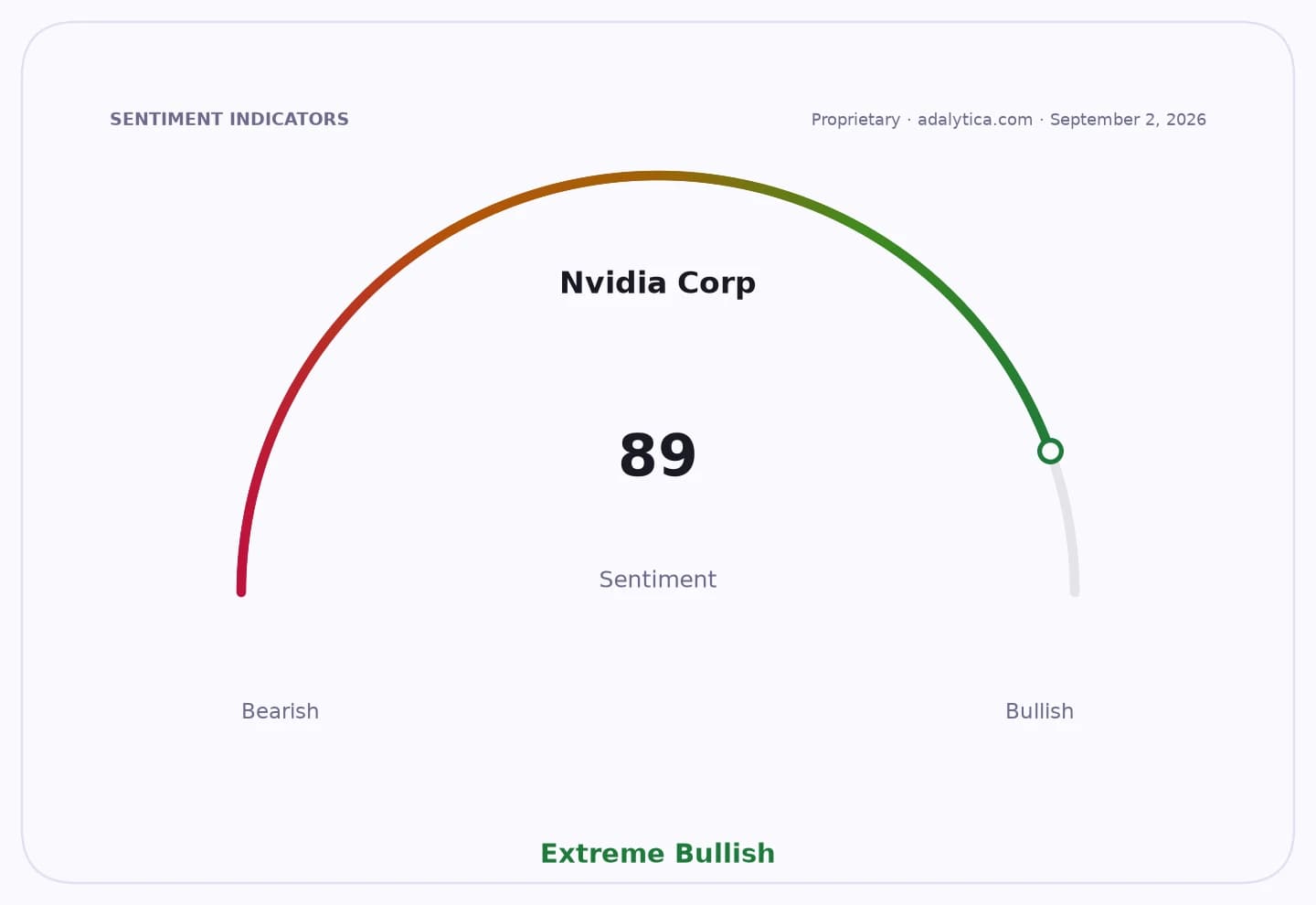
The timing is important. NVIDIA shares have been trading well above both the 50-day and 200-day moving averages, and recent price action has shown the stock recovering from a mid-year correction as investors rotate back toward AI-linked names. Technical readings remain constructive, with RSI in positive territory and sentiment on Adalytica’s NVIDIA Earnings gauge sitting at 89, or “Extreme Greed,” underscoring how quickly optimism has rebuilt around the company.
For ASUS, the appeal is less about headline scale than about positioning. ProArt has become a way to target designers, video editors and other professionals willing to pay for faster local AI processing, better rendering and tighter software integration. That is a more attractive segment than mainstream consumer PCs, where pricing pressure remains intense and Windows refresh demand has been inconsistent.
For NVIDIA, the move reinforces a broader strategic theme: the company is no longer only selling chips to hyperscalers and gamers, but embedding its architecture into a wider ecosystem of workstation and creator devices. That diversification can help smooth revenue streams and deepen software lock-in, particularly if AI-assisted content creation becomes a standard feature of professional workflows.
Investors will watch whether the ProArt line translates into meaningful unit growth or merely incremental branding. The bull case is that AI PCs eventually become a recurring replacement cycle, much like gaming rigs or mobile workstations, lifting both NVIDIA’s GPU attach rates and ASUS’s mix. The bear case is that the category remains niche, with buyers intrigued by AI features but unwilling to pay enough to offset rising component costs.
The bigger narrative is that the AI hardware boom is broadening beyond the cloud. If ASUS can sell RTX Spark-powered ProArt machines into the creator market, it suggests the monetization of AI is moving from abstract model training budgets to everyday endpoint devices — a shift that could matter for PC makers, chip suppliers and investors looking for the next leg of AI demand.
| Entity | Gains | Losses |
|---|---|---|
| ASUS | ▲Higher-margin ProArt sales | ▼Commoditized PC pricing |
| NVIDIA | ▲Wider RTX ecosystem adoption | ▼Reliance on data-center demand alone |
| Creators / Professionals | ▲Faster local AI workflows | ▼Higher device costs |
| Legacy PC rivals | ▲— | ▼Pressure to match AI features |