ASX falls 2.8% as Iran strike fears rise
Australia’s share market slumped 2.8%, its worst session in about three months, after fresh US strikes on Iranian targets raised fears of wider disruption around the Strait of Hormuz and sent investors scrambling out of risk assets.
The move matters because any sustained escalation in the Gulf threatens one of the world’s most important oil chokepoints, where even a modest interruption can tighten global crude supplies, lift energy costs and feed into inflation expectations. That raises the odds of higher-for-longer interest rates at a time when markets are already sensitive to policy risks and growth uncertainty.
Crude prices firmed on the news, with US oil last around $83.85 a barrel in the latest forecast reading, after jumping sharply in recent weeks as the conflict intensified. That is a direct headwind for importers and a tailwind for energy producers, but for the broader market it usually means pressure on airlines, transport, consumer stocks and rates-sensitive sectors.
The Australian market’s reaction shows how quickly geopolitical shocks can overwhelm local fundamentals. The ASX had been trading near 39 on recent sessions before sliding to 36.95 on Aug. 31 and 37.43 on Sept. 1, with the 50-day moving average still above the price but momentum cooling as RSI readings fell back toward the mid-40s. That kind of pullback suggests traders are de-risking rather than rotating.
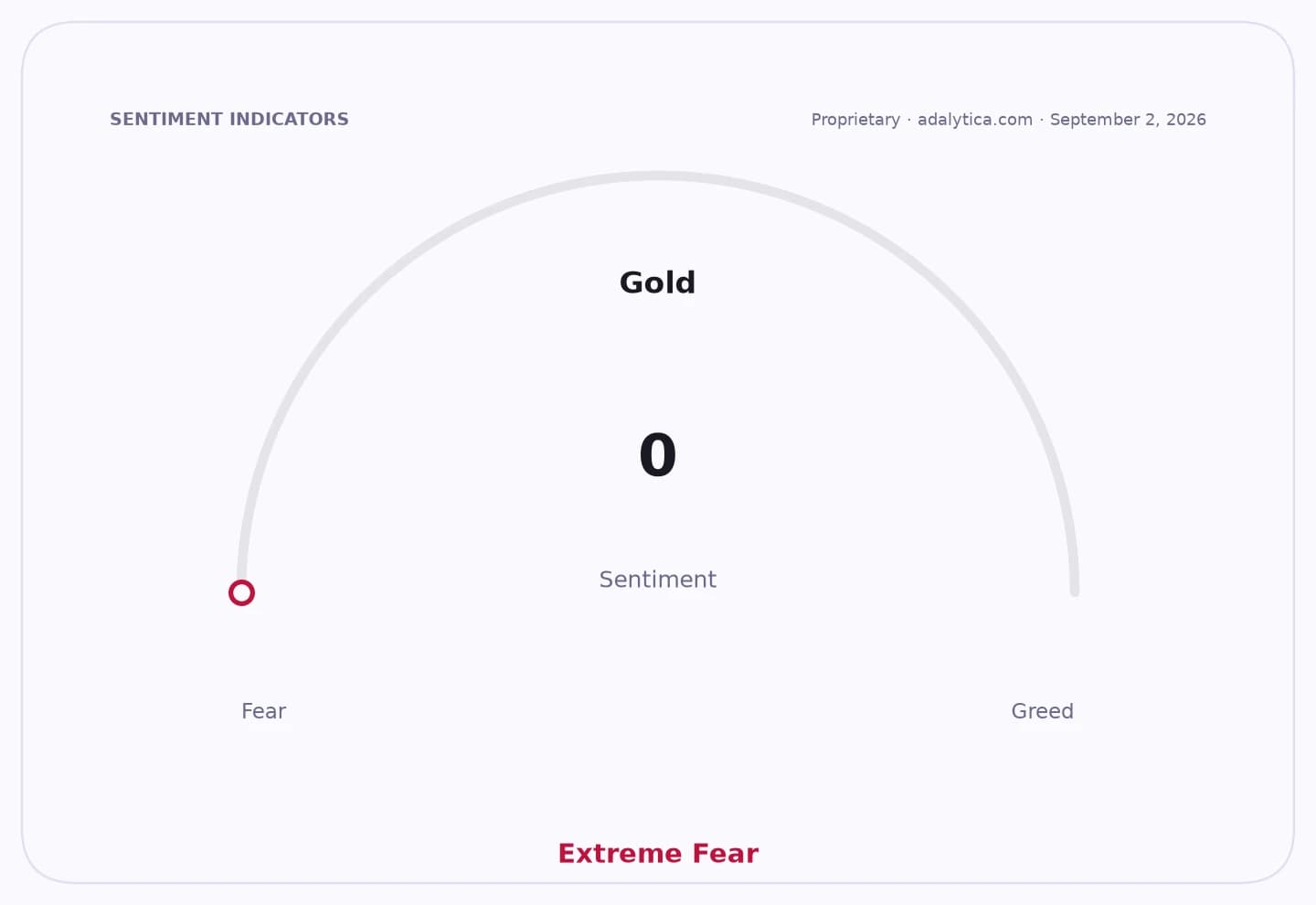
Gold was caught in the crosscurrents as well. Adalytica’s Gold Fear & Greed Index has dropped to “Extreme Fear,” underscoring the rush for safety even as the yellow metal’s usual haven bid competes with higher yields and a firmer dollar. The US dollar’s trade-signal snapshot turned more constructive over the past week, which can add pressure to commodities priced in greenbacks.
The bigger investor question is whether the violence stays contained or spills further into shipping and energy infrastructure. If the US and Iran keep trading strikes, markets are likely to keep pricing a higher oil risk premium, with the next cue coming from any new attack on tankers, a diplomatic intervention, or a fresh jump in crude and defensive assets.
| Entity | Gains | Losses |
|---|---|---|
| Oil producers | ▲Higher crude prices | ▼Volatility risk |
| Australian exporters with energy exposure | ▲Stronger commodity receipts | ▼Broader market selloff |
| Importers and fuel users | ▲— | ▼Higher input and transport costs |
| ASX risk assets | ▲— | ▼De-risking and lower sentiment |