ASX Higher on Oil, Gold and Regis Funding Warning
Australian shares are set to open higher as a jump in oil and a fresh bid for gold support heavyweight resource stocks, while Regis Healthcare’s warning on aged care funding underscores mounting cost pressure in a labor-intensive sector.
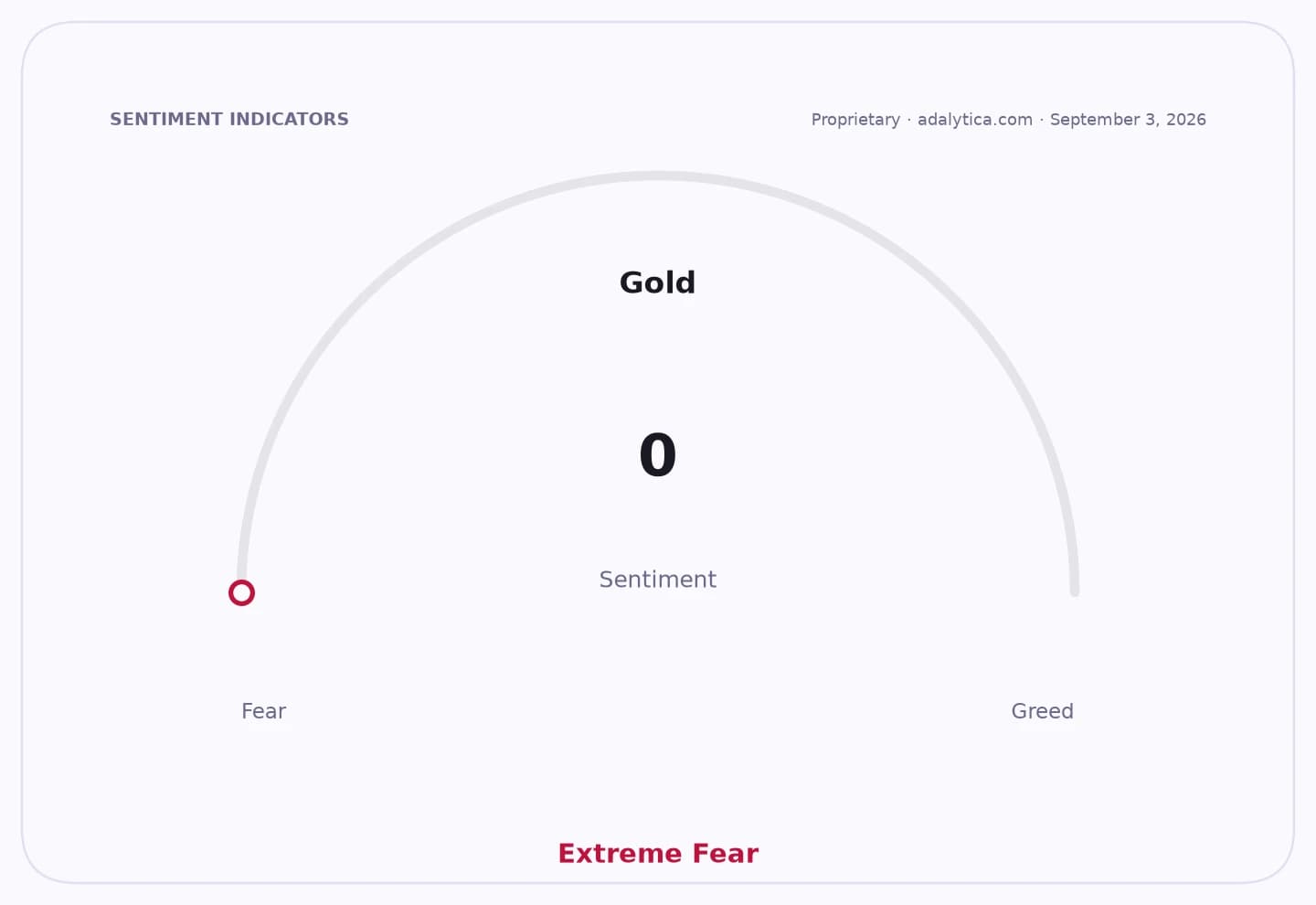
The setup matters because Australia’s market remains heavily exposed to commodities and defensive healthcare, making both energy and precious-metals prices key drivers of index performance. Brent and WTI have firmed sharply in recent sessions, with WTI last seen near $91.75 a barrel in the latest forecast, after rebounding from $84.57 on Aug. 28. Gold is also attracting safe-haven flows, helped by what Adalytica’s Gold Fear & Greed Index shows as “Extreme Fear,” a sign investors are still seeking protection even as broader equity sentiment remains weak.
That mix is supportive for the ASX because higher oil prices improve revenue prospects for energy producers and can spill over into miners with direct or indirect exposure to commodity inflation. BHP shares have already been trading well above both their 50-day and 200-day moving averages, and the stock closed at A$93.43 on Sept. 2, a sign the market has been willing to pay up for resource earnings leverage. Gold-related names tend to benefit when investors rotate toward hard assets and away from cyclicals, particularly if global growth concerns and policy uncertainty keep demand for safe havens intact.
The other side of the market story is Regis Healthcare, which said aged care funding increases remain below cost inflation. That is a reminder that not every domestic defensive benefits from an inflationary environment. For operators such as Regis, wage and operating-cost growth can outpace government reimbursement, squeezing margins in a business where staffing is the dominant expense and pricing power is limited. The issue is economically important because aged care is both politically sensitive and structurally under pressure from higher labor costs, making the sector dependent on policy settings rather than market pricing.
For investors, the immediate implication is a wider split within the ASX: commodity-linked names and select inflation beneficiaries can outperform, while regulated or reimbursement-constrained businesses may continue to lag. The oil move supports earnings for producers and service companies, but it can also revive inflation concerns and keep bond yields elevated, which is less friendly for rate-sensitive sectors. Ten-year U.S. Treasury yields were last around 4.82%, a level that still argues for caution on duration-sensitive valuations globally.
Gold’s strength adds another layer. When the metal rises alongside oil, it often reflects a market looking for hedges against geopolitical risk, inflation persistence or weaker growth. That tends to help Australian miners with precious-metals exposure, but it can also signal a defensive backdrop that limits broad-based equity upside. Regis, by contrast, faces a policy and margin challenge rather than a cyclical tailwind, and investors will be watching for any signs the government reconsiders funding formulas or that operators can pass through more of their cost base.
| Entity | Gains | Losses |
|---|---|---|
| ASX resource stocks | ▲Higher commodity-linked earnings | ▼Broader market breadth |
| Oil producers | ▲Stronger realized prices | ▼Fuel-intensive users |
| Gold miners | ▲Safe-haven demand | ▼Risk-on sectors |
| Regis Healthcare | ▲Funding visibility if policy improves | ▼Margin pressure from inflation |