Auckland City Rail Link Opens Sunday
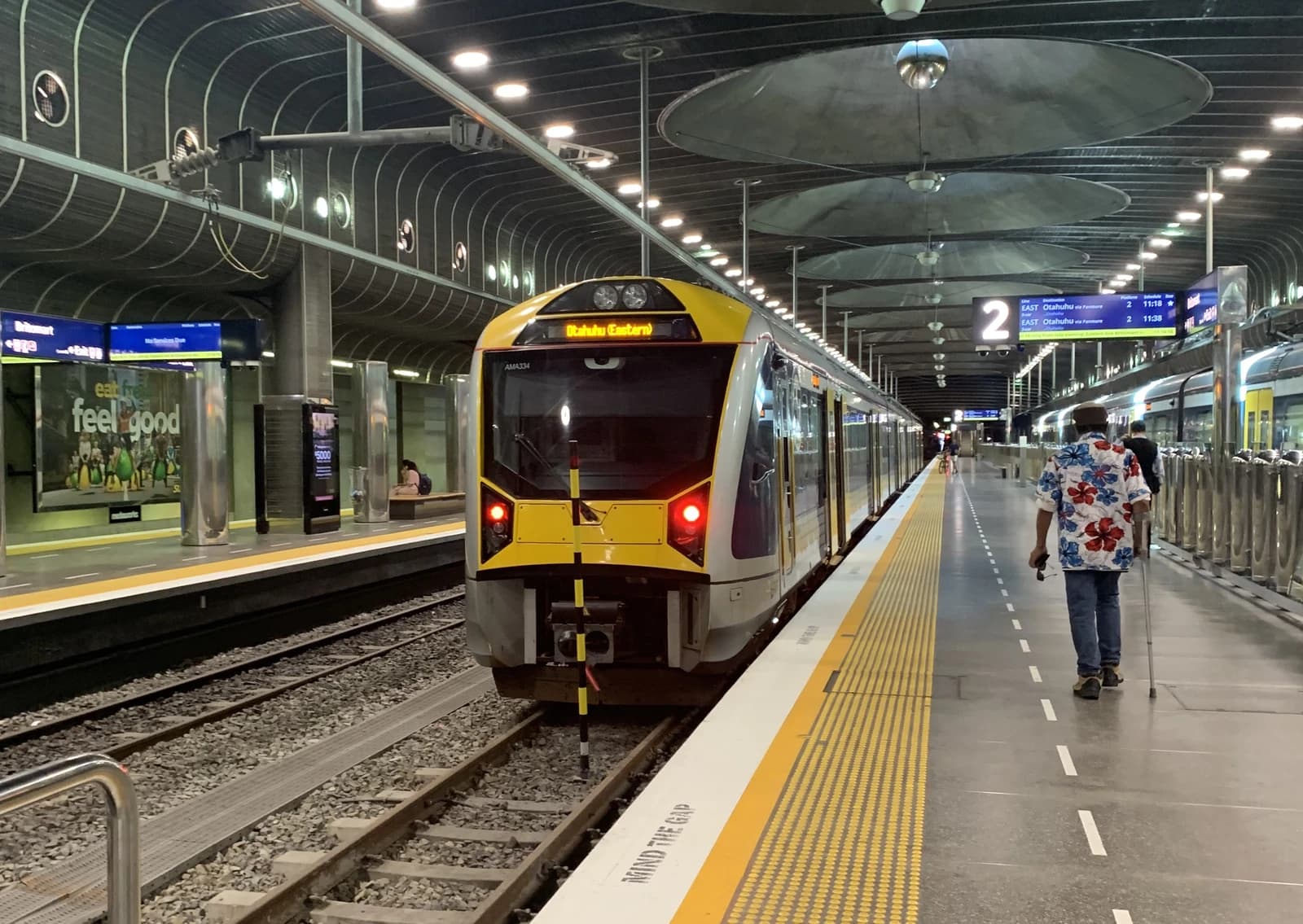
Auckland’s City Rail Link opens on Sunday after years of construction and billions of dollars in spending, giving New Zealand’s biggest city a long-delayed transport upgrade that is expected to reshape commuting patterns, reduce congestion pressure and support activity around the central business district.
The project’s opening is economically significant because transport bottlenecks act as a drag on productivity, labor mobility and downtown commercial demand. By adding a new rail route through the heart of Auckland, the city is betting that faster, more reliable public transit will help businesses draw workers back into the center and make the urban core easier to reach for a larger share of the region’s population.

Prime Minister Christopher Luxon and Auckland Mayor Wayne Brown attended the opening ceremony, underscoring the project’s political and economic importance. For the government, the rail link is a high-visibility infrastructure win at a time when New Zealand is looking for ways to lift growth without relying solely on consumer demand.
For investors, the near-term focus is less on the ribbon-cutting than on the second-order effects. Better transit can lift foot traffic for retailers, landlords and hospitality operators near stations, while improving the economics of office space and residential development in the city center. It may also strengthen the case for future transport and urban development spending if passenger volumes build as expected.
The project also arrives as markets remain sensitive to infrastructure execution, public spending discipline and the return on large capital works. In rail and construction circles, the opening is a reminder that multi-year projects can create long-duration demand for contractors, suppliers and maintenance services even after the initial build phase ends.
The key test now is whether Aucklanders actually change travel habits. If ridership ramps up, the City Rail Link could become a template for further urban transit investment in New Zealand; if not, it will stand as another costly answer to a persistent congestion problem.
| Entity | Gains | Losses |
|---|---|---|
| Auckland commuters | ▲Faster, more reliable travel | ▼Longer car-dependent trips |
| CBD retailers and landlords | ▲More foot traffic and access | ▼Weak transit-linked demand |
| Government and city leaders | ▲Infrastructure win, political credit | ▼Scrutiny if ridership lags |
| Road users and congestion | ▲Less pressure on roads | ▼Continued traffic if mode shift is slow |