Australia pushes Apple, Meta on child safety and AI

Australia is leaning on Apple and other major technology companies to help police children’s online activity and shape incoming AI rules, a push that could add fresh compliance costs for global platforms while reinforcing a broader regulatory wave against Big Tech.
Prime Minister Anthony Albanese said after meeting Apple chief executive Tim Cook in Cupertino that Australia “can’t do it alone” in protecting children from internet harms, underscoring that the government wants the largest platforms to participate in enforcement rather than simply comply after the fact. Cook said Apple had shared new “strong and intuitive controls to help keep kids safe online,” signaling that product-level safeguards are becoming part of the regulatory conversation, not just policy rhetoric.
The move matters economically because Australia is trying to tighten oversight of the same digital ecosystems that drive advertising, app distribution and engagement for companies including Apple, Meta and Alphabet. Draft laws unveiled this month would impose a “duty of care” on platform operators such as Facebook, TikTok and Instagram, and could allow users to switch off algorithms, a change that would go to the core of how social apps maximize time spent and monetize users.
The policy direction also lands against evidence that the current approach is not working cleanly. Australia already barred under-16s from social media last year in a world-first crackdown, but data last month showed under-16s were still increasing use of Instagram and TikTok despite the ban, suggesting enforcement gaps that may prompt tougher rules or more platform liability.
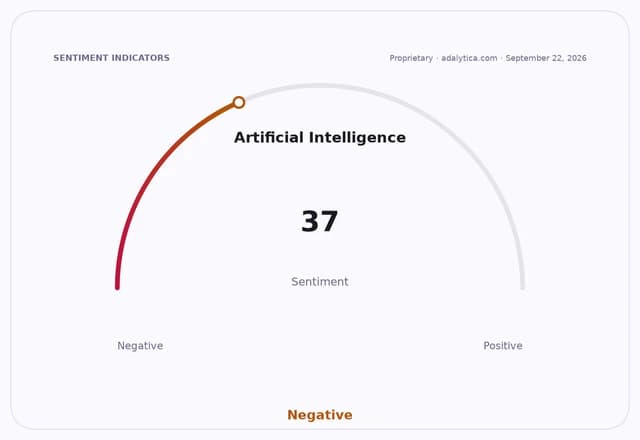
Albanese is widening the agenda beyond social media to artificial intelligence, saying Australia will introduce new AI standards by the end of the year. He framed the issue as one of control, warning that AI could evolve in a way where humans are no longer in charge of what it produces, a message that echoes growing international concern from regulators and industry figures.
For investors, the implications are clearest for companies with large consumer-facing platforms and AI ambitions. Meta and Alphabet face the risk that Australia’s duty-of-care rules and algorithm controls could pressure engagement metrics and ad targeting, while Apple is being drawn deeper into child-safety standards tied to devices and app ecosystems. Microsoft, which has been rolling out its own AI tools and safety controls, is also exposed to a wider trend of governments demanding more visible guardrails around generative AI.
The latest U.S. market backdrop shows the stakes are already being priced in elsewhere: Microsoft closed at $498, Alphabet at $351.16 and Meta at $736.59, with Meta’s shares showing strong momentum but also an overbought reading on the conventional RSI, while Microsoft has been trading above its 50-day moving average after a sharp recovery. Any expansion of safety regulation could add to the operational and legal burden on these names even if it does not immediately change revenue.
Australia’s push fits a broader global pattern as governments move to set AI standards before the technology matures further, and as tech leaders increasingly accept that product design, not just policy, will determine how far regulators go. The next catalyst is whether Canberra turns the draft laws into binding legislation later this year and whether the new AI standards end up becoming a template for other markets.
| Entity | Gains | Losses |
|---|---|---|
| Australian government | ▲stronger enforcement powers | ▼easier platform accountability |
| Apple | ▲policy influence | ▼higher compliance scrutiny |
| Meta and Alphabet | ▲clearer rules | ▼weaker engagement economics |
| Parents and regulators | ▲more safety tools | ▼slower rollout for platforms |