Australia backs Japan missile testing plans
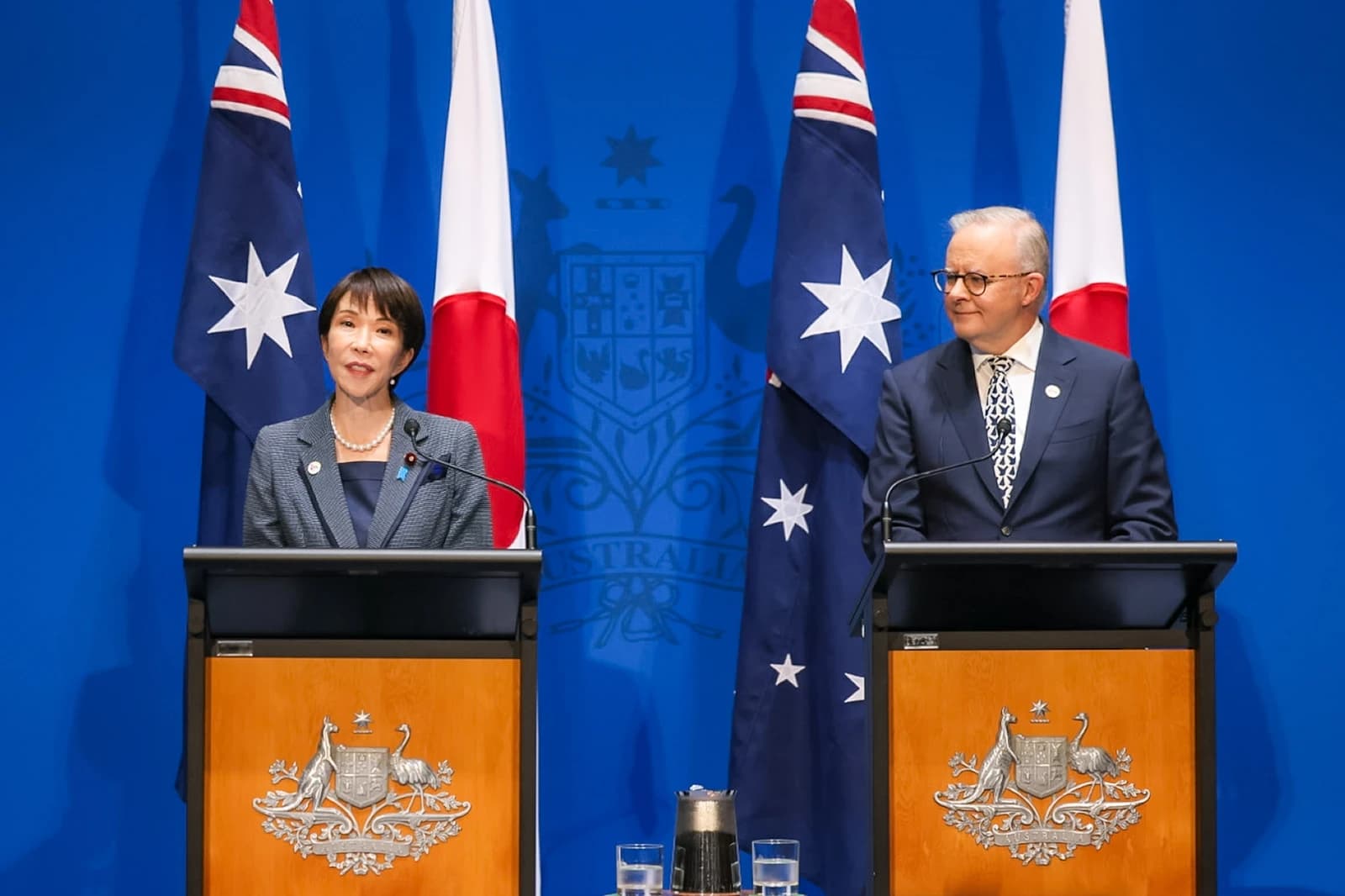
Australia’s new ambassador to Japan has intensified a diplomatic fight over the region’s security order by publicly backing Tokyo’s military expansion and missile testing plans, while Beijing argues the move is being justified by a Cold War-style “China threat” narrative.
Andrew Shearer, a former intelligence chief, told reporters in Tokyo that Canberra had welcomed Japan’s effort to play a more active security role in the Indo-Pacific and said Japan was taking “modest, reasonable and appropriate steps” to build deterrence in response to advanced missiles fielded by other countries, including China and Russia. He also accused China of economic coercion and said Japan and Australia still wanted to engage with China for business reasons.
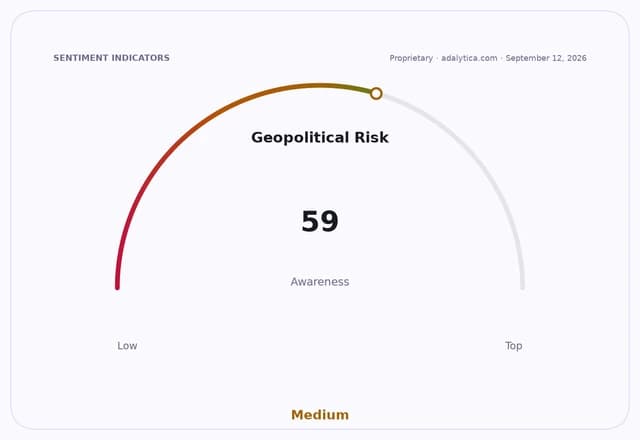
The dispute matters because it goes beyond rhetoric. Australia and Japan have been tightening defense ties as both hedge against uncertainty over US commitments in Asia, and the latest comments show how that cooperation is increasingly being framed in explicitly anti-China terms. Beijing sees that as evidence that Washington’s allies are normalizing Japan’s postwar military expansion under the cover of regional deterrence.
Japan is due to test hypersonic and other missiles in Australia under an expanded agreement reached after Australian Defense Minister Richard Marles met his Japanese counterpart in Canberra last month, according to Bloomberg reporting. The arrangement would allow Japan to use Australian firing ranges over the next decade, turning Australian territory into a practical extension of Japan’s weapons development and testing infrastructure.
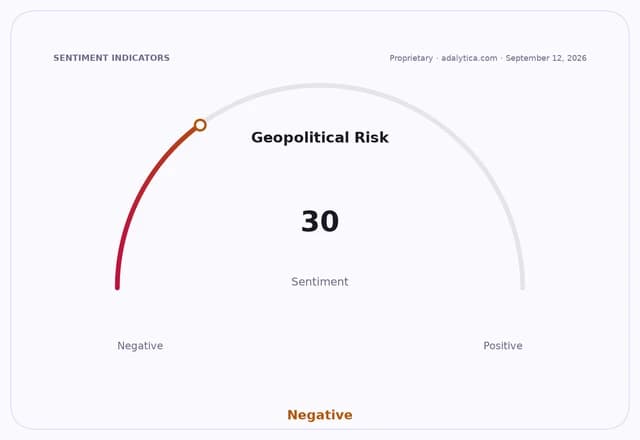
For investors, the implications are strongest in defense, industrials and the broader risk premium attached to Asia-Pacific geopolitics. A more formalized Australia-Japan security axis supports long-run demand for missile systems, testing ranges, surveillance, communications and other defense capabilities. That is relevant for global contractors and suppliers tied to Indo-Pacific rearmament, even if the immediate effect is political rather than market-moving.
It also raises questions for trade and commodities. Australia and China remain highly complementary economically, particularly in resources and critical minerals, but Beijing’s warning that security cooperation is being fused with anti-China positioning could complicate efforts to stabilize commercial ties. Any renewed friction would matter to exporters, miners and firms exposed to Chinese demand, even as Canberra continues to argue that economic engagement and defense alignment can coexist.
The broader narrative is that the region is moving further into bloc politics. Australia is recasting Japan as a quasi-ally with greater military responsibilities, while China says that approach deepens the security dilemma and risks a regional arms race. With US policy uncertainty still hanging over the Indo-Pacific, investors should watch whether security cooperation keeps broadening into logistics, basing and weapons testing arrangements that make the alliance architecture harder to unwind.
| Entity | Gains | Losses |
|---|---|---|
| Australia-Japan defense ties | ▲Stronger deterrence posture | ▼Greater China backlash |
| Japan defense industry | ▲More testing access | ▼More scrutiny over militarization |
| Australia security planners | ▲Expanded missile cooperation | ▼Higher regional tension |
| China-facing exporters | ▲Continued trade linkages | ▼Policy and diplomatic friction |