Australia Coal Shortfall Supports Peabody, Warrior Met
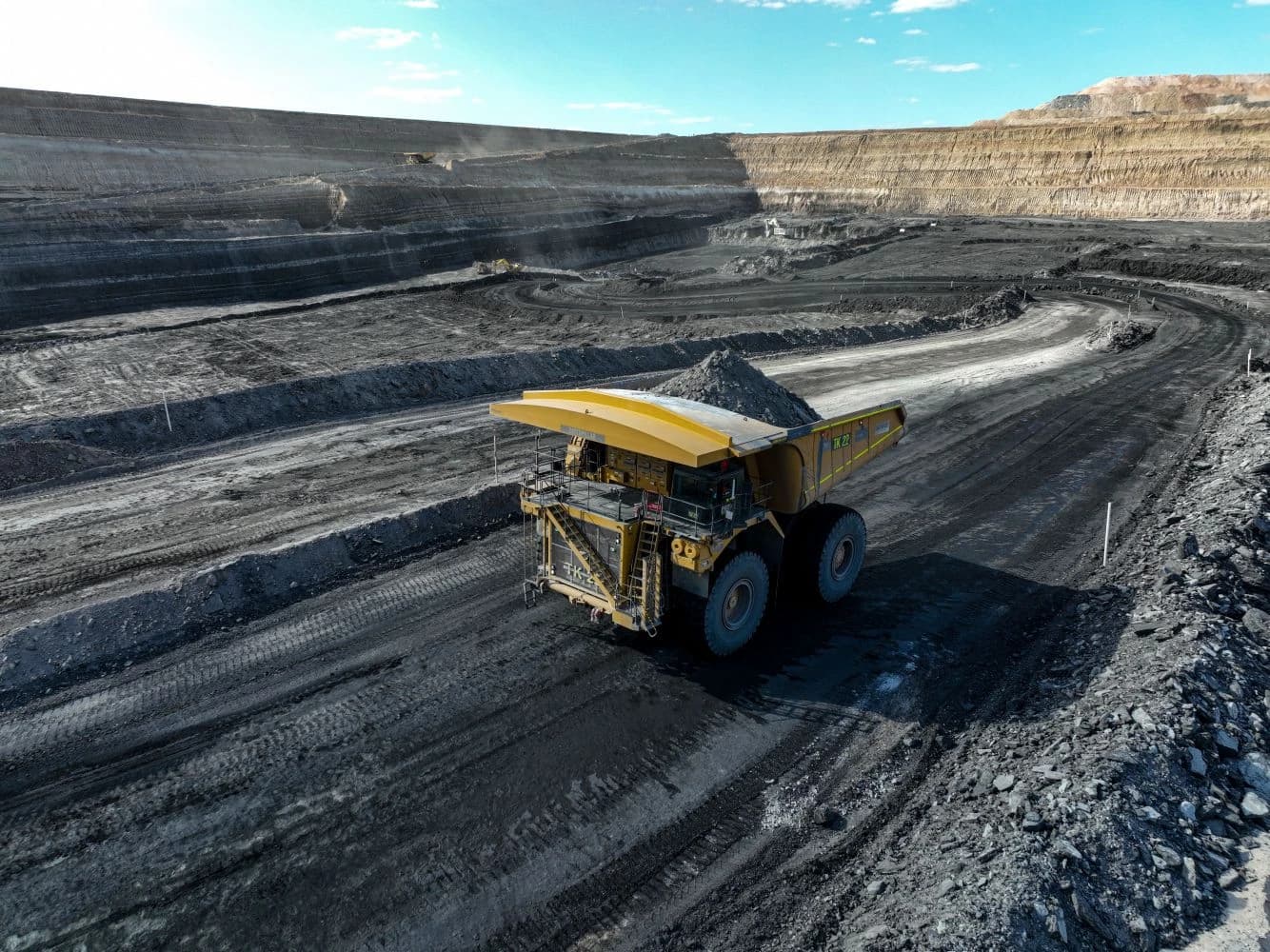
Australia’s electricity crunch is reinforcing a hard truth for investors: coal is not disappearing on the timetable many policymakers hoped, and that makes producers such as Peabody Energy and Warrior Met Coal more relevant than the energy-transition narrative suggests.
The immediate issue is reliability. Australia is staring at a wider power shortfall as aging coal plants head toward retirement faster than replacement supply is arriving. Even as Canberra pushes renewable energy and household batteries, the country’s “coal cliff” is colliding with project delays, high costs and the simple physics of keeping the lights on. In practical terms, that means coal remains part of the backup system well into the 2040s, supporting demand for thermal and metallurgical supply even in a decarbonizing economy.
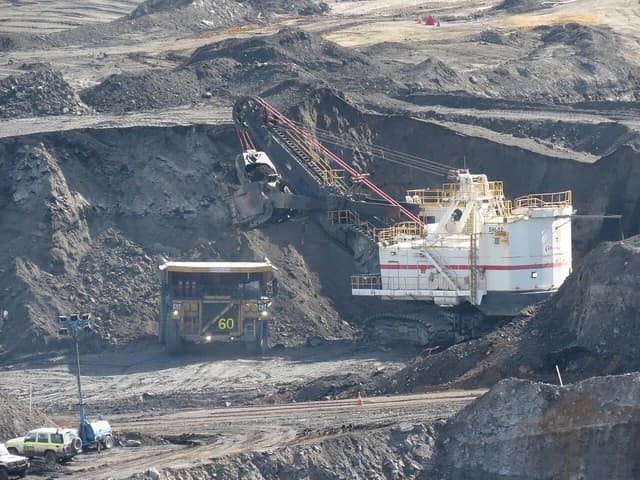
Markets are already reflecting that reality. Coal names have been among the stronger energy-adjacent performers, with Warrior Met Coal recently trading around $107 and Peabody Energy near $29, both above their 50-day moving averages. Warrior Met, a supplier of steelmaking coal, has been pressing toward the upper end of its recent range, while Peabody’s share price has rebounded sharply from earlier weakness. Those moves matter because they show investors are willing to pay for cash-generating fossil-fuel assets when energy security becomes scarce.
The broader economic significance goes beyond one country. Power shortages raise costs for industry, threaten manufacturing output and force governments to choose between expensive backup capacity and politically difficult policy changes. Australia’s predicament is a reminder that the transition away from coal is not just a climate story; it is a capital-allocation problem. If renewables, transmission and storage do not scale quickly enough, coal plants do not vanish — they stay open longer, run harder or are replaced more slowly than expected.
That is why investors should separate the long-term decarbonization thesis from the medium-term earnings outlook for coal producers. Peabody is tied to both thermal coal and seaborne demand, while Warrior Met’s fortunes are more closely linked to steel cycles and metallurgical pricing. For long-term investors, the key question is not whether coal will be the dominant fuel in 20 years. It is whether the market is underestimating how long coal remains essential to grid stability and industrial activity during the transition.
There are risks, of course. Policy pressure, emissions rules and volatile commodity prices can all hit returns quickly. But as Australia’s power squeeze shows, scarcity can overpower rhetoric for longer than many expect. For patient investors willing to own cyclical resource names through inevitable swings, the coal trade still deserves a place on the watchlist.
| Entity | Gains | Losses |
|---|---|---|
| HCC / Warrior Met Coal | ▲Higher investor interest | ▼Transition-only narratives |
| BTU / Peabody Energy | ▲Stronger coal pricing support | ▼Short coal positions |
| Australia’s grid operators | ▲More backup supply options | ▼Faster coal retirements |
| Renewable developers | ▲Policy urgency for new projects | ▼Delay scrutiny and higher costs |