Australia energy policy debate over coal, nuclear, renewables
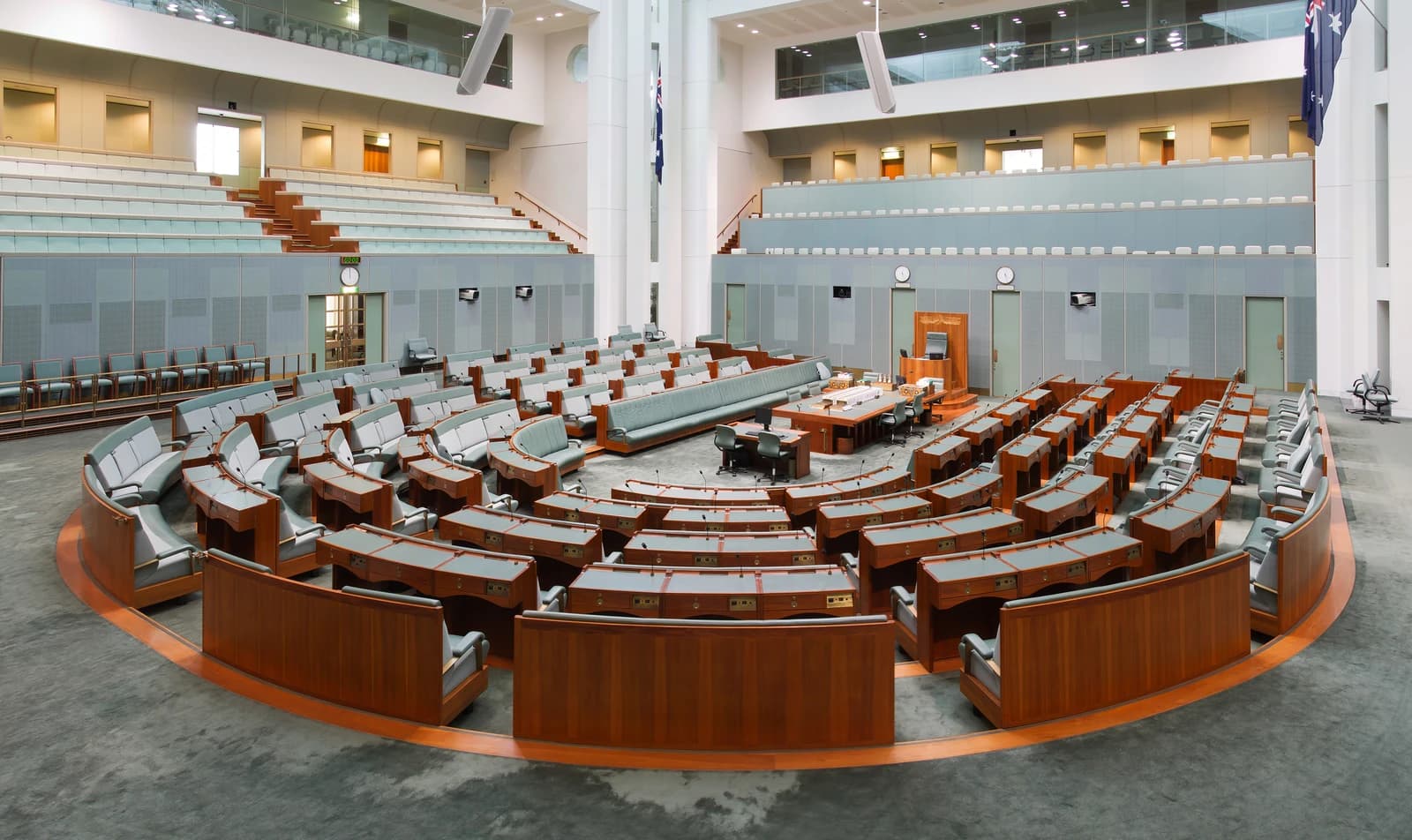
Australia’s energy future is becoming a live economic fight, with leaders at the Bush Summit trading attacks over coal, nuclear and renewables just as power prices, fuel markets and investment plans stay under pressure.
The clash matters because electricity costs feed directly into inflation, household budgets and industrial competitiveness in Australia, while uncertainty over the generation mix can delay billions of dollars in grid, mining and utility spending. For investors, the debate cuts across regulated power utilities, miners, LNG exporters and companies betting on the speed and shape of the transition.
Anthony Albanese, New South Wales Premier Chris Minns, South Australia’s Peter Malinauskas and senator Matt Canavan all used the summit to push sharply different answers to the same problem: how to keep the lights on without forcing consumers and businesses to absorb higher costs. The debate has sharpened as critics accuse policymakers of mishandling the shift away from coal, with pressure building over whether intermittent renewables, new gas supply, or a nuclear option can provide reliable baseload power at an acceptable price.
The stakes extend beyond politics. Australia is one of the world’s major exporters of coal and liquefied natural gas, so any change in domestic energy policy can reshape demand for generation fuel, capital spending by utilities and the valuation of assets tied to carbon-heavy power. BHP and other resource groups are already flagging volatility in energy markets and the risk of further government intervention, underscoring how closely the sector is watching the policy fight.
That backdrop has left energy-linked stocks sensitive to every sign of regulatory direction, even as conventional technical indicators show several miners trading well above their 50-day and 200-day moving averages after a strong run. BHP closed at 95.15, well above its 50-day average of 86.21, while Rio Tinto ended at 103.30 versus a 50-day average of 94.68, reflecting continued investor appetite for names leveraged to commodities and policy-driven supply shifts.
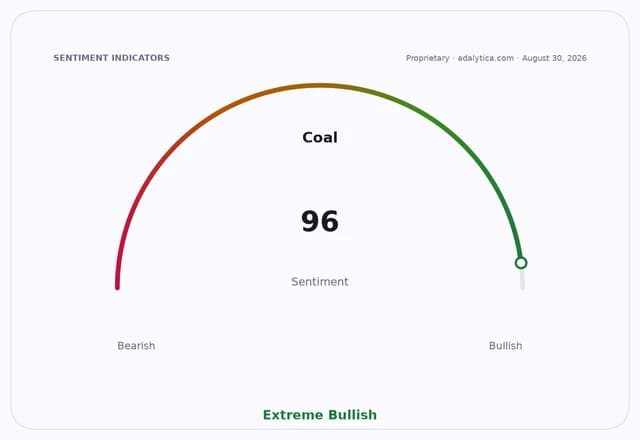
Coal and oil market sentiment also remains elevated, with Adalytica’s Coal Fear & Greed Index at 96 and its WTI oil signal at 100, suggesting traders are still pricing energy tightness and policy risk into the sector. That makes Australia’s debate more than a domestic political spat: it is a test of whether the country can keep energy affordable while retaining export strength and attracting the capital needed for the next phase of the transition.
The next catalyst is likely to be any policy detail from federal and state governments, along with fresh moves in offshore wind, grid investment and gas supply, all of which will help determine which side of the energy divide wins the first round.
| Entity | Gains | Losses |
|---|---|---|
| Coal producers | ▲Policy uncertainty keeps demand relevant | ▼Faster transition away from coal |
| Renewable developers | ▲More urgency for new capacity | ▼Nuclear or fossil-fuel policy support |
| Utilities and grid owners | ▲Higher allowed investment | ▼Delayed approvals and political conflict |
| Consumers and industry | ▲Potential long-term supply mix choices | ▼Near-term power cost volatility |