Australia inflation outlook after Queensland downgrade
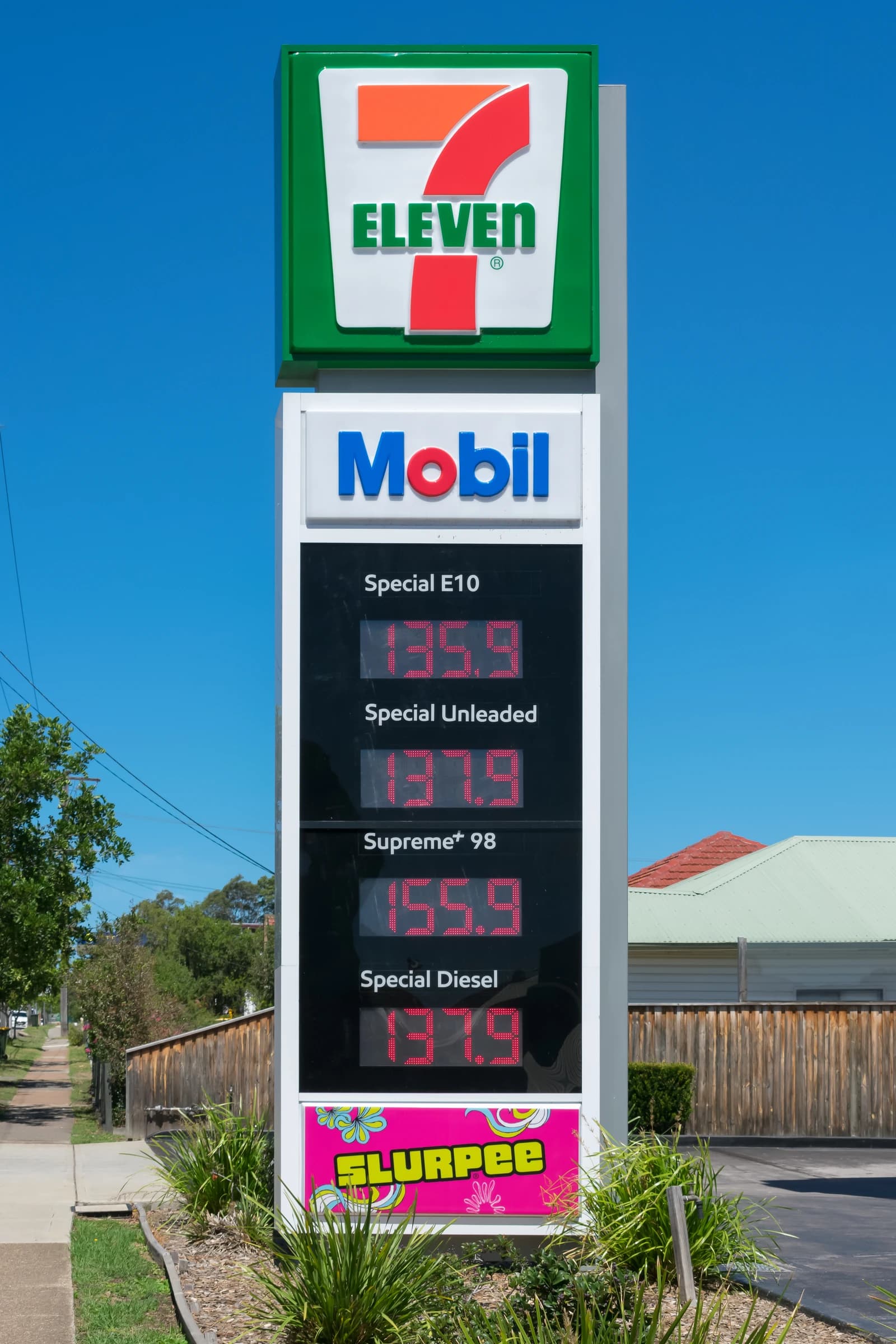
Queensland’s credit downgrade and a jump in oil prices are putting Australia’s inflation outlook back under pressure, raising the odds that the Reserve Bank of Australia may have to keep rates higher for longer — or even hike again if energy costs feed through to the broader economy.
That matters because Australia’s economy is still highly sensitive to fuel and transport costs, and the central bank has spent much of the past year trying to bring inflation back under control without tipping growth into a hard landing. When oil rises sharply, it doesn’t just lift petrol prices. It filters into freight, utilities, construction and consumer prices, making the RBA’s job harder and squeezing households that are already dealing with elevated mortgage payments.
For investors, the immediate takeaway is that rate-cut hopes may have to be pushed further out. That is usually a headwind for domestic rate-sensitive assets such as property, utilities and heavily indebted companies, while support tends to hold up better for energy producers and other commodity-linked names. In Australian markets, it also keeps pressure on the Australian dollar, which has already struggled to build durable momentum when the outlook for local yields and growth becomes more uncertain.
The credit-rating move in Queensland adds another layer of concern. A downgrade can raise borrowing costs for the state and reinforce worries about public finances at a time when higher interest rates are already making refinancing more expensive across the economy. For long-term investors, that is a reminder that macro shocks rarely stay confined to one corner of the market: they can alter the cost of capital, spending priorities and earnings expectations all at once.
Resource stocks are a different story. BHP has been volatile, but the broader trend in the shares shows how powerful the commodity cycle can be when inflation fears and energy shocks collide. On the latest trading data, BHP’s shares were well above their 200-day moving average, even after a pullback from recent highs, with the stock trading around 87.15. Its relative strength index had fallen sharply from overbought levels to 25.6, suggesting the recent surge has cooled, but the longer-term uptrend remains intact as investors continue to favor hard-asset exposure in a world of sticky prices.
That is where the narrative really connects: higher oil prices can strengthen the case for energy and materials, but they also make life more difficult for the broader economy, the central bank and borrowers. If inflation expectations keep rising, the RBA may have little room to ease policy soon, and that means the market will keep rewarding balance-sheet strength, pricing power and real assets over leveraged stories that depend on cheaper money.
For investors with a multi-year horizon, this is a moment to stay diversified, avoid chasing the hottest short-term macro trade, and watch whether inflation pressures broaden beyond fuel. If they do, the next move from the RBA could matter far more than many traders are currently pricing in.
| Entity | Gains | Losses |
|---|---|---|
| Energy producers | ▲Higher realized prices | ▼Demand risk from slower growth |
| BHP and miners | ▲Inflation hedge appeal | ▼Volatility after rapid run-up |
| Queensland government | ▲None | ▼Higher borrowing costs |
| Mortgage borrowers and rate-sensitive sectors | ▲None | ▼Higher-for-longer rates |