Australia, Japan stocks fall on oil and yield surge

Australia’s share market fell more than 1% and Japan’s Nikkei sank 3% as a fresh surge in oil prices and bond yields rattled global risk assets, sharpening inflation fears and pushing investors toward rate-sensitive and cyclical losers.
Brent crude climbed to about $108.54 a barrel, its highest level in months, after conflict in the Middle East raised concern about supply disruptions. That move helped push the U.S. 10-year Treasury yield to 4.95%, near multi-year highs, and pressured Wall Street overnight, with the Dow, S&P 500 and Nasdaq all down about 0.6% to 0.7%.

The combination is particularly painful for Asia-Pacific markets. Higher oil prices lift import costs for energy-dependent economies such as Japan, while rising long-term yields tighten financial conditions globally and reduce the appeal of growth stocks, property names and other rate-sensitive sectors. In Australia, the ASX 200 was down 1.3% at 8,708 points, with materials the biggest drag as miners sold off and energy stocks the main gainers.
Japan took the heaviest hit, with the Nikkei 225 down 3.1% in early trade to 63,243 and the broader Topix off 2%. Markets are also bracing for a Bank of Japan rate increase next week, most likely by 25 basis points, which adds another layer of pressure on domestic equities after months of tightening expectations.
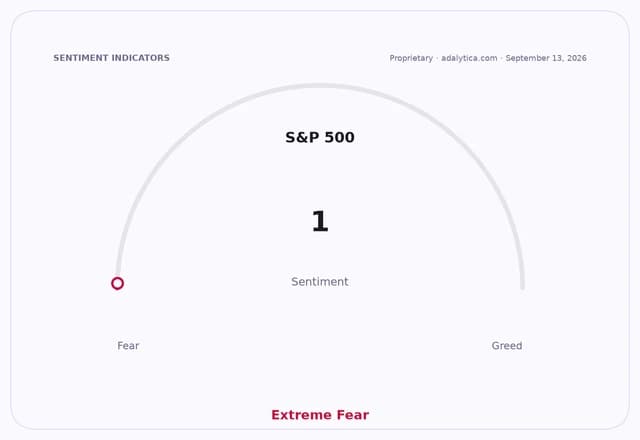
The rise in yields also matters for asset allocation. Financial stocks tend to benefit from higher rates, and Australian banks were firmer, with NAB, Westpac and ANZ all higher, while tech and property shares weakened. That split reflects a broader market message: investors are rotating away from long-duration assets and toward sectors better able to absorb higher financing costs.
Oil’s move is feeding directly into inflation expectations. Reuters reported U.S. consumer prices likely accelerated in August as petrol prices rebounded, reinforcing bets that the Federal Reserve could still hike next week. The prospect of firmer inflation and higher-for-longer rates is keeping pressure on equities, particularly in markets that are already sensitive to overseas funding costs and commodity swings.
For investors, the immediate question is whether the oil spike and yield surge prove temporary or become a new macro regime. If Middle East tensions keep energy prices elevated, central banks may stay hawkish for longer, extending the selloff in rate-sensitive sectors and complicating the outlook for global stocks into the next policy meetings.
| Entity | Gains | Losses |
|---|---|---|
| Energy producers | ▲Higher crude prices | ▼Fuel importers |
| Australian banks | ▲Higher-rate tailwind | ▼Property and tech stocks |
| Japanese exporters | ▲Weaker risk appetite priced in | ▼Domestic consumers and equities |
| Bondholders | ▲None | ▼Duration-heavy equity holders |