Australia oil and gas push lifts energy stocks
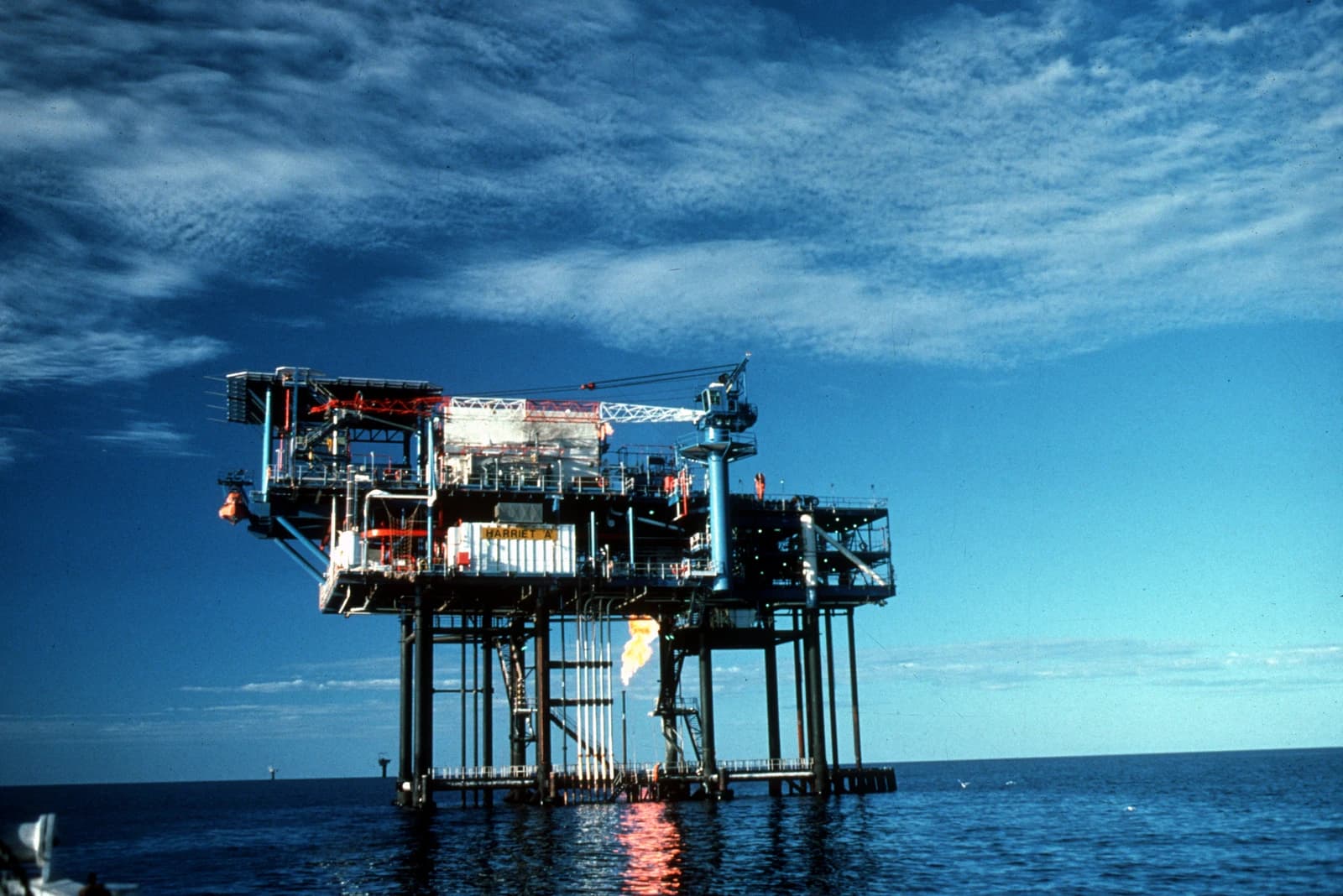
Australia’s push for greater domestic oil and gas development is landing in a market where major producers are already trading near the top of their ranges, underscoring how fuel security is becoming an investment theme as well as a policy debate.
The most important new message is not just that a big bank chief wants more local supply — it is that Australia’s energy-security argument is being framed as an economic imperative at a time when oil-market anxiety remains elevated and global investors are still rewarding upstream exposure.
The big four bank executive’s line that “fuel security is economic security” speaks directly to the cost of imported energy, supply resilience and industrial competitiveness. For policymakers, that means approvals, infrastructure and capital allocation; for investors, it points to a longer runway for upstream spending, liquefied natural gas and service demand if governments lean more heavily toward domestic supply.
That backdrop is supportive for large integrated producers and oil-service names. Exxon Mobil has climbed to $165.36 from $150.65 a month earlier, while Chevron is at $213.01 after trading near $184 in early August. Occidental Petroleum has also moved higher, closing at $61.03 versus $53.81 on Aug. 5.
The technical setup in those stocks reflects sustained buying interest. Exxon remains above its 50-day and 200-day moving averages, while Chevron sits well above both benchmarks, and Occidental has reclaimed its 50-day average after a volatile summer. None of that changes the policy debate, but it does show investors remain comfortable owning energy when supply security is back in focus.
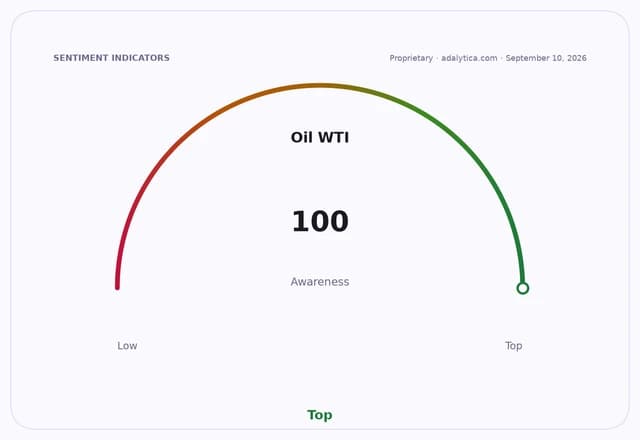
Oil itself is sending a more cautious signal. Adalytica’s WTI snapshot shows sentiment at 4, labelled “Extreme Fear,” even as awareness is pegged at 100, or “Extreme Greed,” suggesting the market is highly alert to headline risk and supply disruptions. That tension helps explain why energy-security rhetoric is resonating with bank chiefs, producers and traders alike.
The broader narrative is that domestic supply is moving from a climate-versus-fossil-fuels debate into a resilience and affordability debate. If Australia pushes more capital toward oil and gas, the near-term winners are producers, drillers and LNG-linked contractors; the losers are importers, consumers exposed to price spikes and advocates of a faster pivot away from hydrocarbons.
The next catalysts are policy responses in Australia, capital-spending updates from producers and any shift in crude prices or geopolitical risk that could reinforce the case for local supply.
| Entity | Gains | Losses |
|---|---|---|
| Australian oil and gas producers | ▲Stronger policy support | ▼Higher scrutiny if approvals stall |
| Banks and lenders | ▲More project finance demand | ▼Credit risk if prices weaken |
| Energy importers and consumers | ▲— | ▼Higher exposure to supply shocks |
| Oil-services companies | ▲More drilling and capex | ▼Delays in permitting and investment |