Australia Stocks Fall on Hot Inflation Data
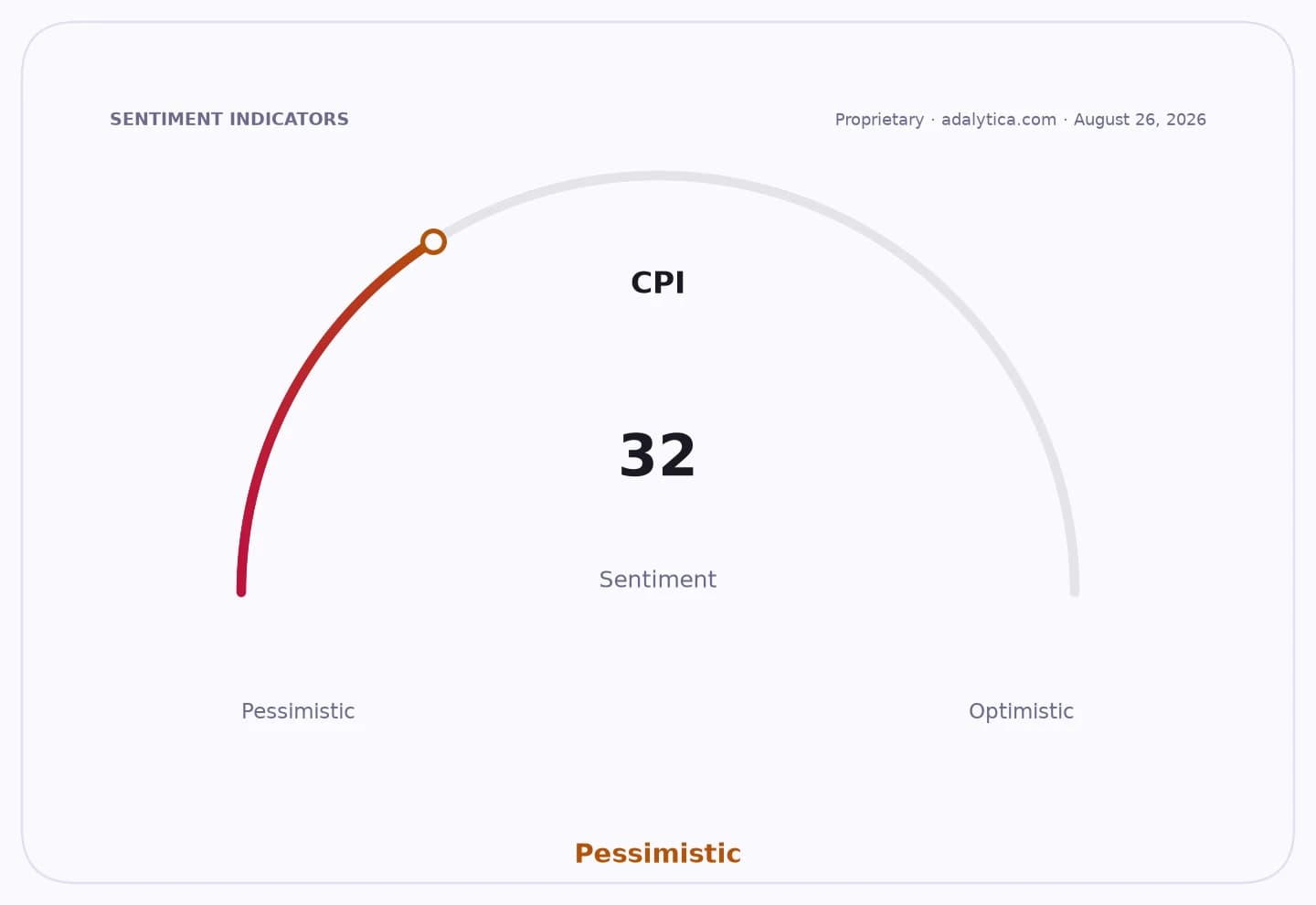
Australia's shares fell as a hotter-than-expected inflation print forced markets to price in a greater chance of further Reserve Bank tightening, reviving pressure on rate-sensitive sectors and triggering a sharp drop in WiseTech.
The S&P/ASX 200 ended lower after a two-day advance as investors moved quickly to reprice the interest-rate path. Deutsche Bank and ANZ both shifted to calls for additional RBA rate increases after the latest consumer-price data showed inflation remained sticky enough to keep policymakers on alert, even as unemployment has risen to 4.5%. That combination leaves the central bank with a less comfortable trade-off: inflation is still too elevated, but growth and the labour market are showing signs of strain.
For markets, the immediate impact is broader than one session’s sell-off. Higher-for-longer policy expectations lift discount rates, weigh on equity valuations and raise funding costs for households and businesses in an economy where leverage is already high. Banks may benefit from wider margins if the RBA tightens again, but consumer-facing stocks, property-linked names and companies with longer duration earnings tend to lose ground when bond yields rise. The Australian dollar also firmed on the inflation surprise, reinforcing the market’s view that domestic rates may need to stay restrictive for longer.
WiseTech was one of the hardest-hit stocks, underscoring how quickly investors are rotating out of names that have benefited from abundant liquidity and relatively low financing costs. The move in the stock came as the broader market digested a change in the macro backdrop rather than company-specific news, but the price action shows how vulnerable expensive growth shares can be when rates reset higher. WiseTech's share price has already been volatile, and the latest decline added to the sense that the market is still trying to find a floor after a sharp rerating earlier in the year.
The policy risk now is that Australia ends up with inflation that is easing too slowly for comfort while growth is soft enough to make any extra hike more costly. That keeps the RBA in focus for the next round of market positioning and leaves investors watching whether upcoming inflation data confirm this latest repricing or force another reset.
| Entity | Gains | Losses |
|---|---|---|
| RBA | ▲More room to tighten | ▼Less tolerance for delay |
| Banks | ▲Wider lending margins | ▼Higher credit-risk pressure |
| WiseTech | ▲— | ▼Higher discount rate, selloff |
| Homeowners and rate-sensitive stocks | ▲— | ▼Higher borrowing costs |