Auto prices, hybrids, and financing pressure in 2026
Car prices are still being reset by the same forces that have defined the auto market for the past two years: higher borrowing costs, cautious consumers and a scramble by makers to protect demand with discounts, incentives and new hybrids.
That matters because the car market is not just a showroom story. It is a live read on household confidence, consumer credit, and the health of a supply chain that stretches from German luxury brands to Japanese mass-market names. When buyers keep gravitating toward value, the pressure lands first on high-end sports cars and premium SUVs, but it eventually ripples through the entire industry.
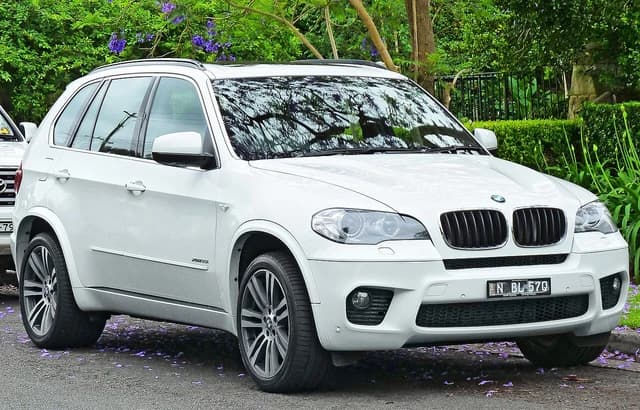
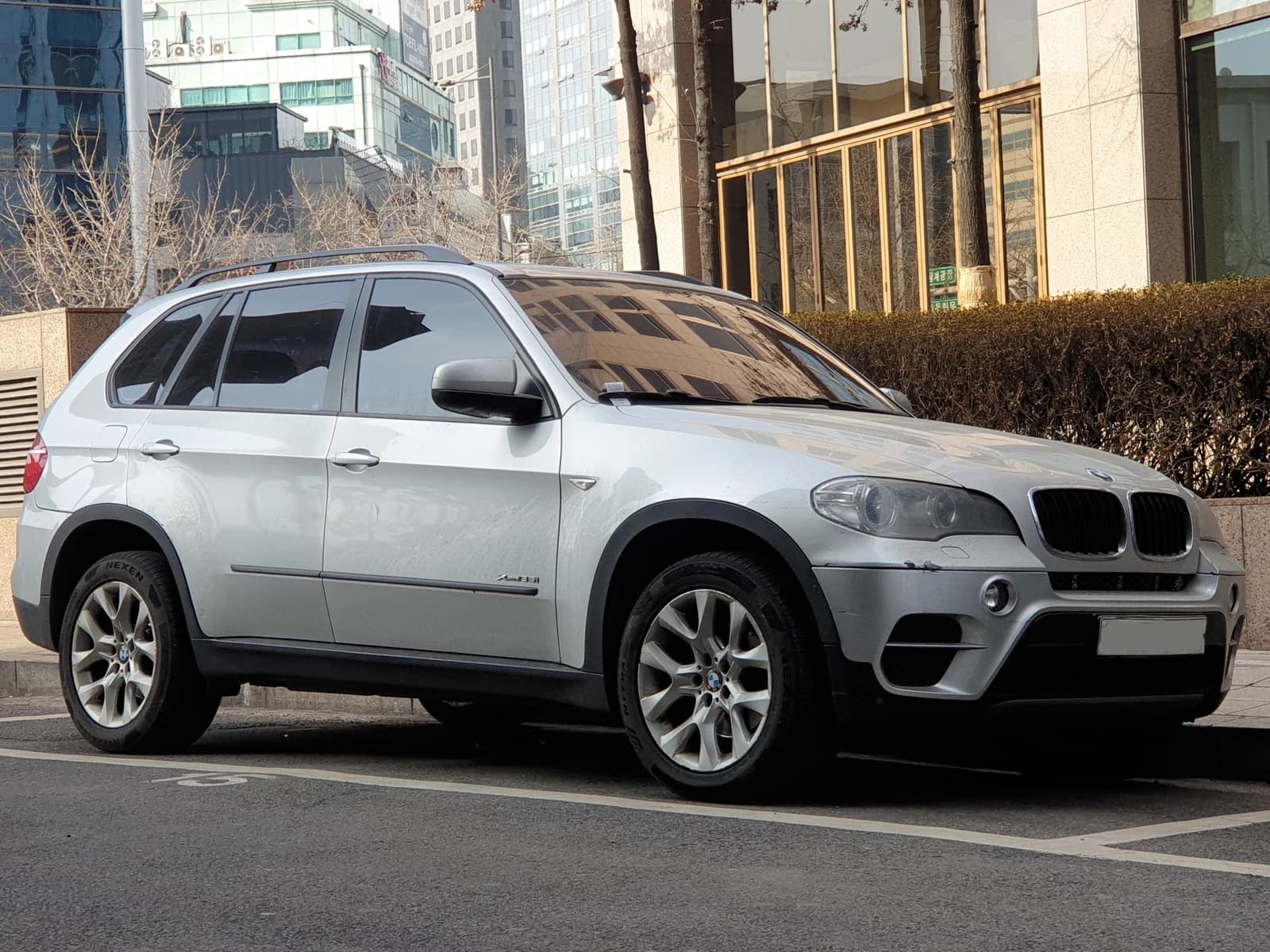
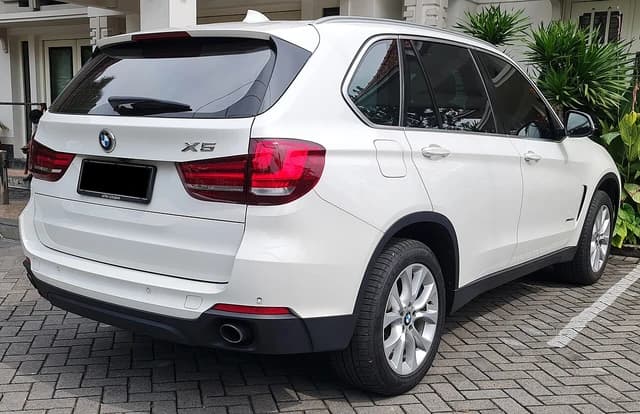
The latest pricing chatter around models such as the Porsche 911 Carrera 4S, Porsche 911 Carrera GTS, Porsche 911 Carrera S Cabriolet and BMW X5 xDrive35i sits alongside more accessible nameplates like the Honda Civic 1.5 RS Turbo and legacy entry-level models in Pakistan, including the Suzuki Mehran VX Euro II, Daehan Shehzore 2.6 and Mushtaq V5 1.5L VVT. That mix tells the real story: the market is increasingly split between aspirational buyers and budget-conscious households, with the middle ground getting squeezed.
Investor takeaway? That split is good news for companies with pricing power and hybrid or fuel-efficient lineups, but it is a warning sign for automakers leaning too hard on premium demand. The news context points to an imminent hybrid launch for Kia’s Seltos, exactly the kind of product that can win in an affordability-sensitive market. Honda’s latest filing also underlines the pressure: the company said it took losses tied to a reassessment of its electrification strategy even as quarterly sales revenue rose, a reminder that the industry is still spending heavily to reposition for the next cycle.
The macro backdrop is supportive for caution. The U.S. unemployment rate has drifted down to 4.1% in the latest forecast, but the 10-year Treasury yield remains around 4.65%, keeping auto financing expensive. That is why bargain-hunting and monthly payment math matter more than badge prestige right now. Even if luxury models retain their allure, the next few years will likely favor makers that can offer hybrid efficiency, manageable loan payments and a broad product ladder.
For long-term investors, the message is simple: the auto business is still being reshaped by affordability, and the winners will be the brands that can sell the right car at the right monthly payment. That makes the pricing action worth watching, not for a quick trade, but for what it says about demand over the next several years.
| Entity | Gains | Losses |
|---|---|---|
| Hybrid and fuel-efficient models | ▲Better affordability appeal | ▼Slower adoption if incentives fade |
| Premium sports cars and luxury SUVs | ▲Brand cachet and margin support | ▼Demand from rate-sensitive buyers |
| Mass-market and budget cars | ▲Volume demand from value shoppers | ▼Margin pressure from discounting |
| Automakers with weak electrification plans | ▲Little in the near term | ▼Higher repositioning costs |