Azerbaijan and Armenia expand economic talks
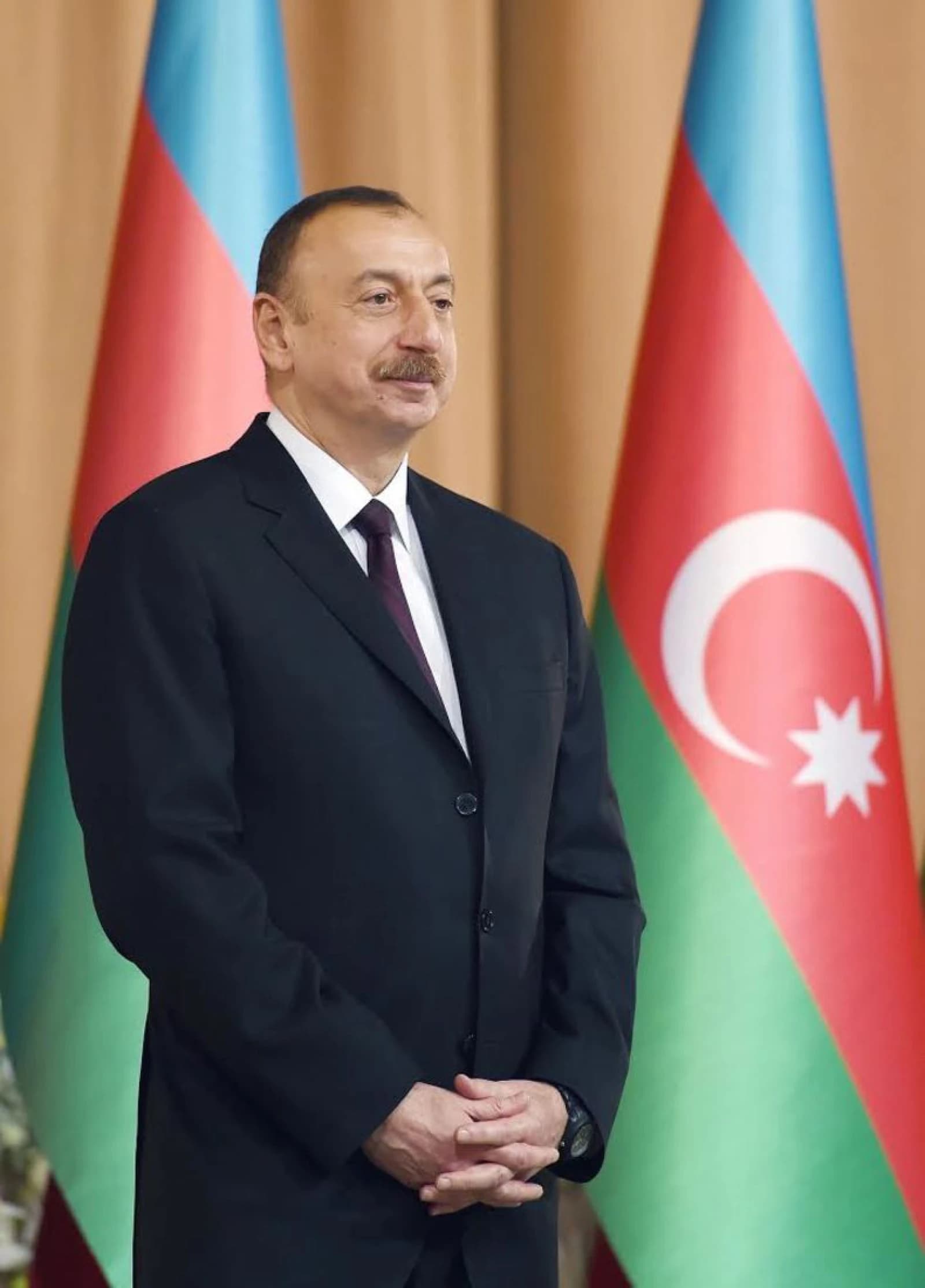
Azerbaijan’s outreach to Armenia and Turkey’s public backing for a lasting settlement are making the South Caucasus look less like a frozen conflict zone and more like a region where trade, transit and energy routes could finally start to matter more than old rivalries.
That is economically important because peace between Baku and Yerevan would do more than calm a border. It would open a corridor for goods, investment and infrastructure across a region that sits between Russia, Iran, Turkey and the Caspian basin. For investors, that means lower geopolitical risk premia, better visibility for transport and energy projects, and a steadier backdrop for companies exposed to the region.

The political message from Bishkek was less about ceremony than about alignment. Turkish President Recep Tayyip Erdogan reaffirmed Ankara’s commitment to helping Azerbaijan and Armenia reach a durable reconciliation, following recent talks between President Ilham Aliyev and Prime Minister Nikol Pashinyan that centered on expanding economic cooperation. Armenia’s first export to Azerbaijan may sound symbolic, but symbols matter in diplomacy when they are tied to commerce.
What makes this shift notable is how quickly the rhetoric is turning practical. The earlier logic in the region was containment and confrontation. The newer logic is connectivity: energy corridors, customs links, logistics and cross-border trade. That matters not only for Azerbaijan and Armenia, but also for Turkey, Georgia and even Iran, all of which have an interest in a more predictable South Caucasus.
Energy investors should pay attention. The region is already relevant to oil and gas flows, and major producers and traders live with the reality that geopolitical volatility can affect shipping, insurance, exports and pricing. When the diplomatic temperature falls, the discount investors demand for operating in and around the region can also fall. That is good news for long-duration infrastructure bets and for companies that need stable transit routes.
The broader market backdrop reinforces the point. Oil remains a geopolitical asset as much as a commodity, and when regional tensions ease, crude’s risk premium can soften even if the fundamental supply-and-demand picture does not change much. For long-term investors, that can be a reminder to look beyond the daily swings in energy prices and focus on the companies and assets that benefit from a more open regional order.
There are still obvious risks. Peace talks in the South Caucasus have a long history of setbacks, and real reconciliation requires more than warm words and carefully staged meetings. But the direction of travel matters. If Azerbaijan and Armenia keep moving toward trade and practical cooperation, the region could become a far more investable corridor over the next several years. For patient investors, that makes the South Caucasus a story worth watching closely.
| Entity | Gains | Losses |
|---|---|---|
| Azerbaijan | ▲Transit leverage | ▼Border tension premium |
| Armenia | ▲Trade access | ▼Isolation |
| Turkey | ▲Regional influence | ▼Conflict instability |
| Energy investors | ▲Lower risk premium | ▼Geopolitical volatility |